

Breathing easy isn’t easy
The Breathe Project is a \'clearinghouse\' for air quality in region

Debra Smit, communications director of The Breathe Project, is so immersed in environmental issues that she has to pause occasionally to take a deep breath.
Monitoring wildfires, proposed data center development, natural gas production, power grid concerns, air quality and uncapped gas wells are prominent among issues under her purview.
Her reporting includes recounting of the horrific explosion at the Nippon/U.S. Steel Clairton Coke Works, which killed two, a year ago Aug. 11.
The Breathe Project, based in Pittsburgh, describes itself on its website as “a clearinghouse for information on air quality in Pittsburgh, southwestern Pennsylvania and beyond.”
Matt Mehalik is executive director of the organization, which launched in 2016 and now has a staff of seven. He also teaches sustainability and environmental policy at Carnegie Mellon University.
“We are a nonprofit with a collaborative group of 60-plus organizations (36 of them environmentally related), said Smit, a Mt. Lebanon resident who grew up in suburban Philadelphia and graduated from Indiana University of Pennsylvania.
That coalition includes citizens, environmental activists, public health officials and academicians.
“We felt we needed to get people together to facilitate conversations among different groups,” Smit said. “We didn’t have everyone talking to each other before that.”
The Breathe Project also engages with the public by conducting educational events related to the environment.
Air quality, of course, is the primary focus of The Breathe Project in a region that, for the better part of a century, relied heavily on steel production along its rivers, belching smoke and other pollutants from the Mon Valley to the Beaver Valley.
Smit cited the 1948 Donora smog disaster in particular, an occurrence that claimed 20 lives and sickened thousands. “Our legacy is inheriting pollution of air and rivers – the beautiful rivers here.”
“People think steel is gone. It’s not gone.”
Smit said “air pollution has resulted in a lot of premature deaths. Our air has gotten better, but the quality is still bad. People complain about smells all of the time. We can remediate, regulate and improve the air.”
Numerous features on The Breathe Project include the live, high-resolution Breathe Cam feeds from the region, Plume Pittsburgh, with tracking how pollution spreads; and Action Center, with resources on how to report poor air quality issues. The organization also has an app, Smell PGH, which shows smell reports from across the area.
Smit also mentioned airnow.gov, a tool via the Environmental Protection Agency.
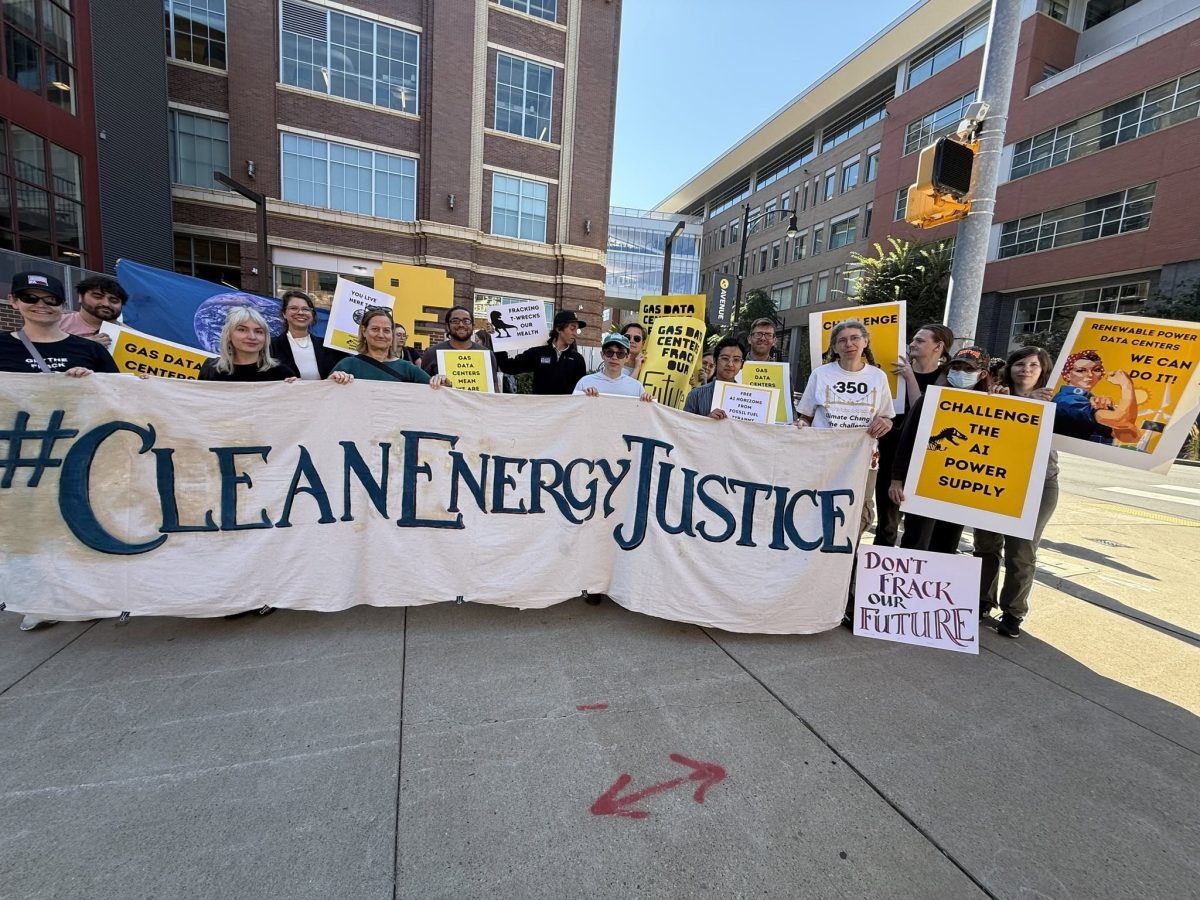
The significant rise of data center proposals has prompted public opposition throughout Pennsylvania, including possible locations in Washington County: the Zediker Station tract in South Strabane owned by CNX, and a 153-acre site in Starpointe Business Park in Hanover Township.
The Allegheny Front news organization reported that about 80 new projects have been proposed in the state. Plans for one is a flash point in Homer City, Indiana County.
“People are educating themselves to fight this,” Smit said. “Some are working against having data centers near where people live.
“This is an opportunity for people to fight for their environmental health. Data is still being gathered for these centers.”
“Diesel data centers,” she said, “will create air quality, water and noise pollution. Companies are overextending the number of data centers they want in Allegheny County, Westmoreland County, Beaver County and Washington County.
“You can build data centers out of solar, but not in Western Pennsylvania, where they want to pump in more fossil fuels.”
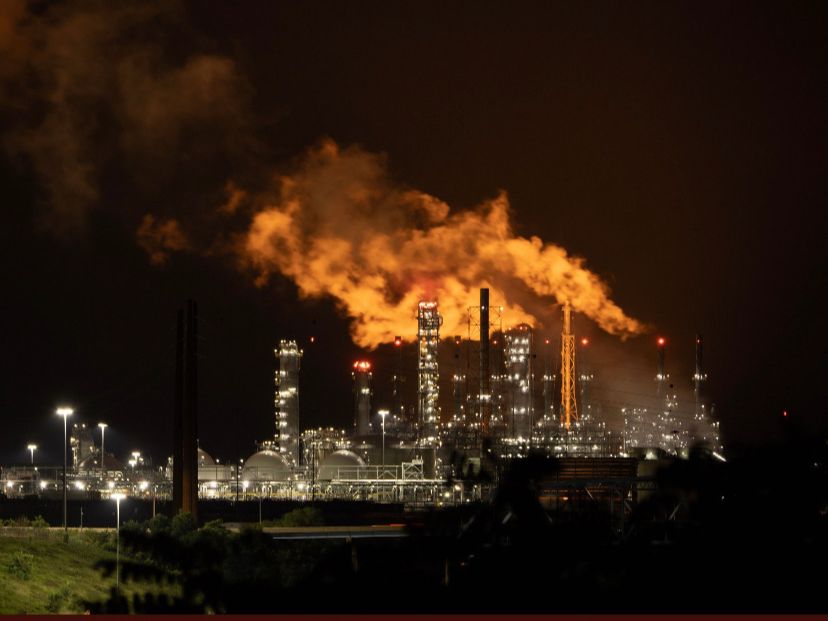
She also lamented pollution issues arising from the Shell Polymers cracker facility in Beaver County, which since its opening in 2022 has been cited for numerous air quality violations and was hit with a $10 million state fine.
Wildfires have been rampant across North America for the past couple of months, which also have been concerning. “The smallest thing can start a wildfire,” Smit said. “We’ve never seen anything like this. They’re a bad product of global warming, and global warming is a direct result of fossil fuels.
“We have to transition away from fossil fuels to renewable energy,” she said, lamenting that the Trump administration “says frack, frack, frack.”
In summary, she added: “People have to realize global warming is real.”