

Building independence
BuildiTEC helps people with special needs transition from classroom to work
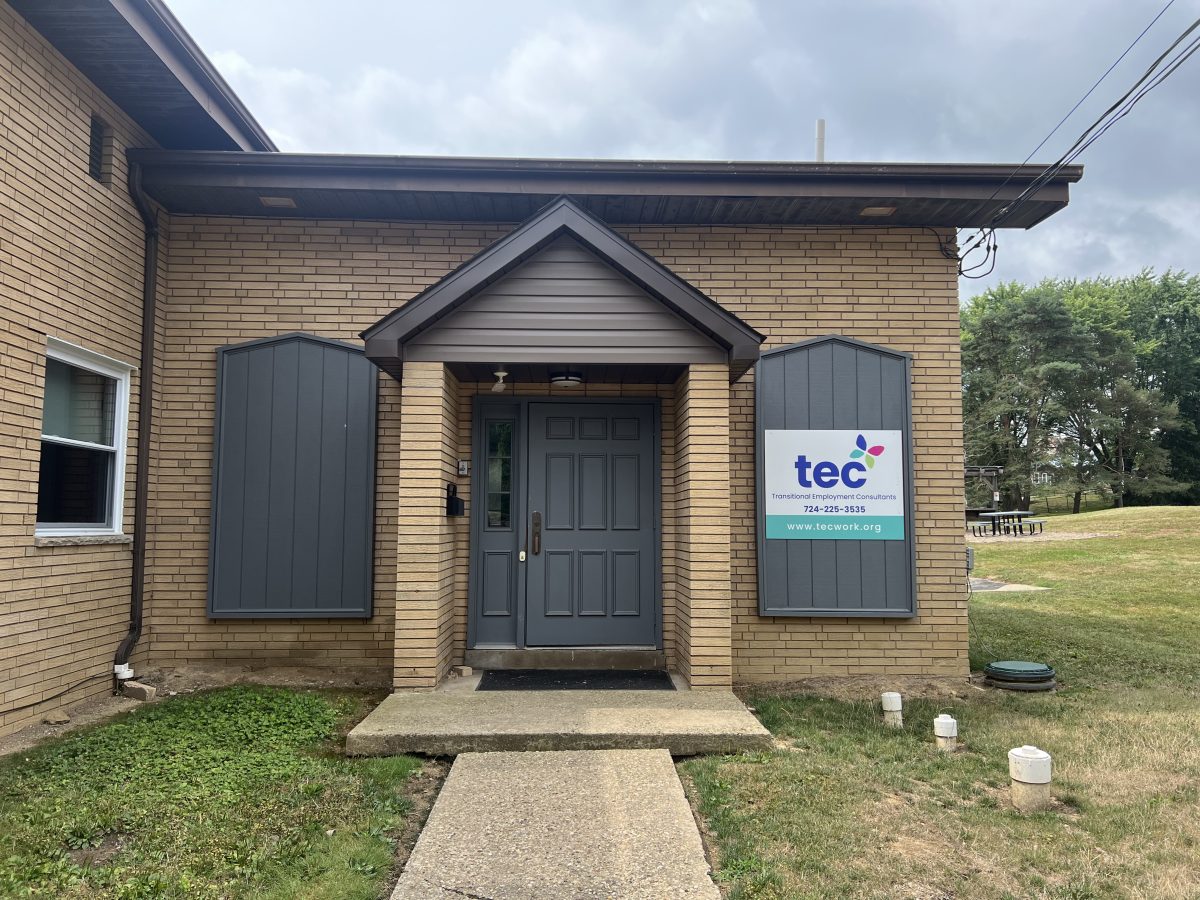
You may not be familiar with Transitional Employment Consultants, but the organization has been hard at work serving individuals with special needs across Washington and Fayette counties since 1984.
With its main office in Washington and additional branches in Charleroi and Uniontown, TEC works to help individuals with disabilities become independent, productive members of the community. Its mission extends from the classroom to the work place, and TEC is this month’s Driven By Hope Award winner sponsored by Washington Auto Mall.
TEC employs nearly 30 staff members serving high school students ages 14 to 22, adults with mental health needs, individuals in recovery and those with intellectual disabilities, helping to provide job readiness training and placement into competitive employment.
“We got started because we found that there was a need to help people with special needs and in getting employment and training for employment to kind of get them ready,” explains TEC’s Executive Director Kendra Casella. “So that’s what we did for a long time, and the Office of Vocational Rehab primarily funded that. We did things like transitional employment.
“Early on, we would partner with local businesses, and our individuals would go there and work, and then we would provide job coaching services to help those individuals be successful in the job.”
Casella says that mission transitioned in the early 1990s into serving two different populations of people.
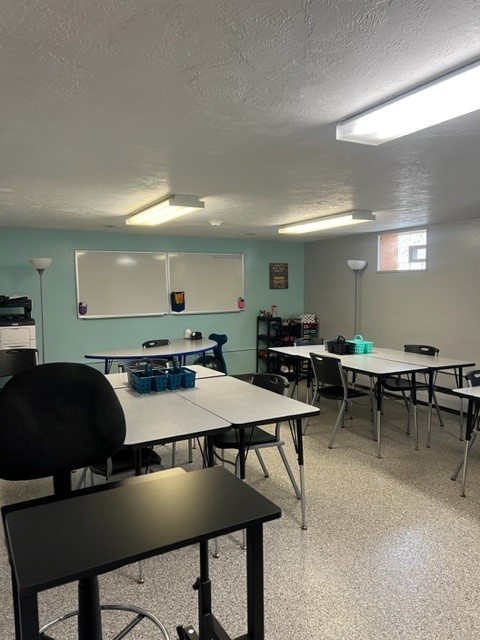
“We have a private academic school that is just for students with special needs,” she adds. “It’s a really small program, and it’s very unique. It’s really just unlike any other program I’ve ever seen.”
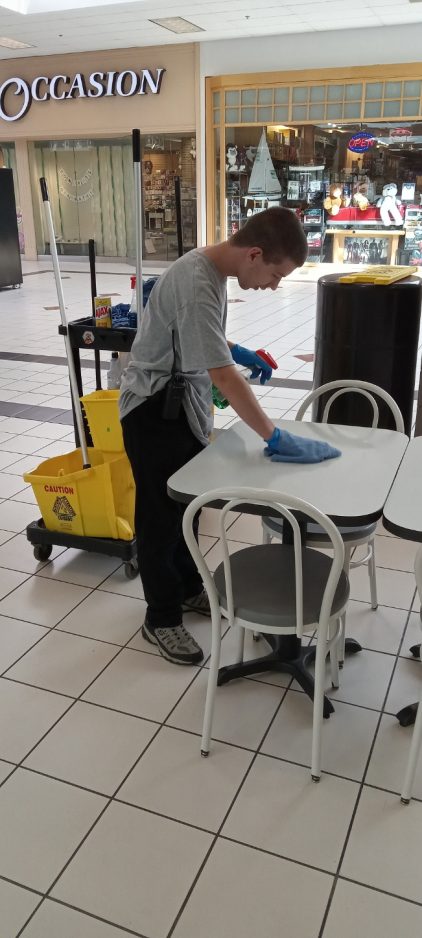
They focus on doing functional academics in the morning and transition skills in the afternoon. “We take them out to other local nonprofits, local businesses and the students actually learn work skills and practice different tasks at different employers.”
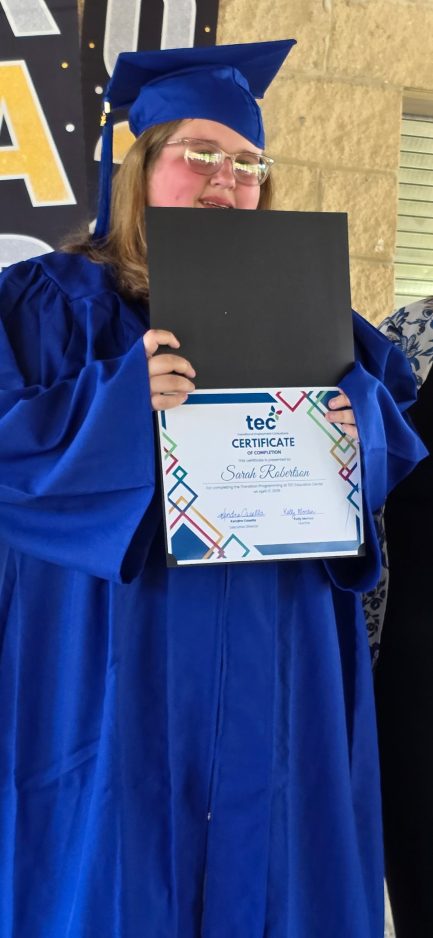
The school teaches high school-age kids with a program allowing some students to stay until their 22nd birthday.
“We have the students go out in the community at a local business, and then the students work with a job coach, and they’re learning those on-the-job skills and building the resume,” Casella says. “We service 10 students in the classroom and usually about 10 to 15 in the community.”
TEC coordinates with local school districts to create an educational plan and make sure the program is a good fit. “It kind of has to be that mutual thing, because we want them to get the most out of those years as possible,” says Casella.
An important aspect of that is creating good partnerships in the business community. Casella admits that it can be challenging and that TEC is always looking for more partners.
“That’s an area of need for us,” she says. “I think more businesses are getting open to hiring people with special needs, but I feel like we could still do better in this community. We still get some businesses that don’t want to partner with us because they’re worried about stigma, or they’re worried are people going to be as fast as people without a disability, or things like that. So there’s some stigma around it, and businesses, you know, not wanting to give our people a chance.”
She credits good community partners such as Chick-fil-A, Eat’n Park, Petco, Rural King and Busy Beaver.
“It’s so important for students to learn many different skills and try out many different jobs, because they might just not even know that that’s something they want to do unless they try it,” says Casella. “So I think the more opportunities we can give them, and the more skills we can give them, the better off they’ll be when they leave us, right?”
TEC student programming is funded by local school districts with additional programming funded by OVR.
The community can also support TEC with donations during the Washington County Community Foundation Annual Day of Giving.