

Helping through the barriers
Johnson-Shaw Foundation helps people transition from jail to community
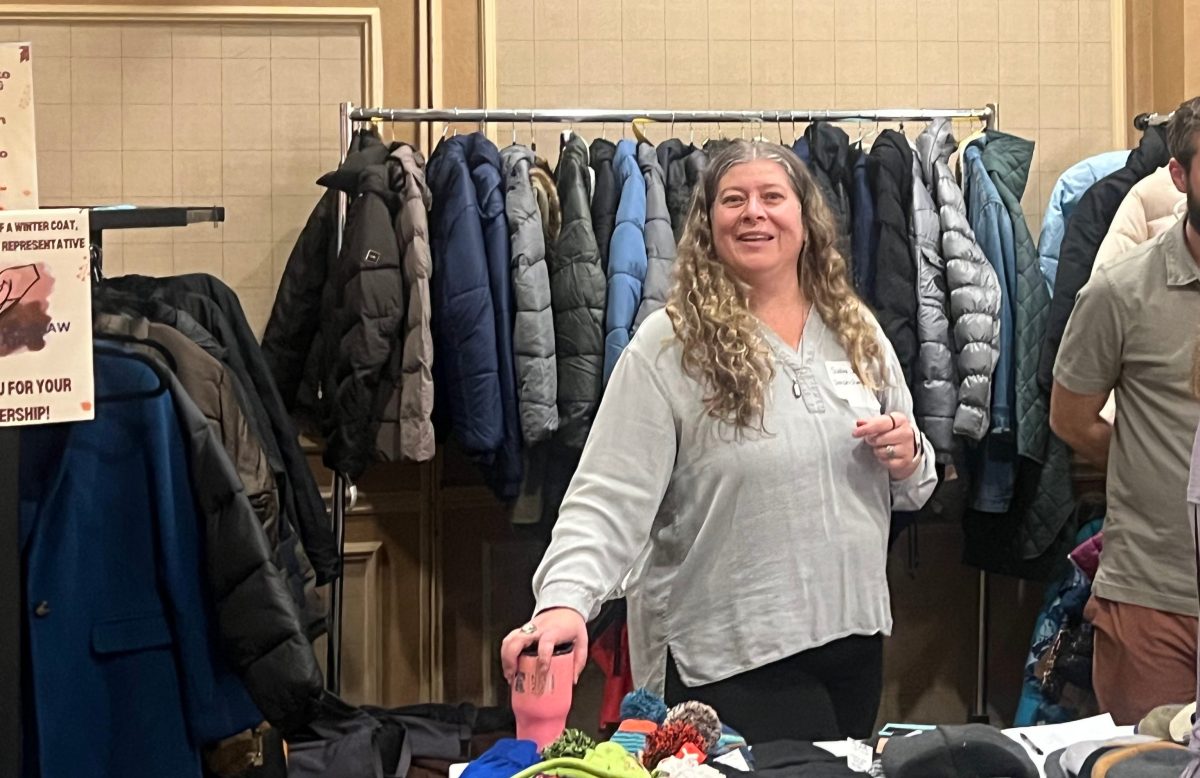
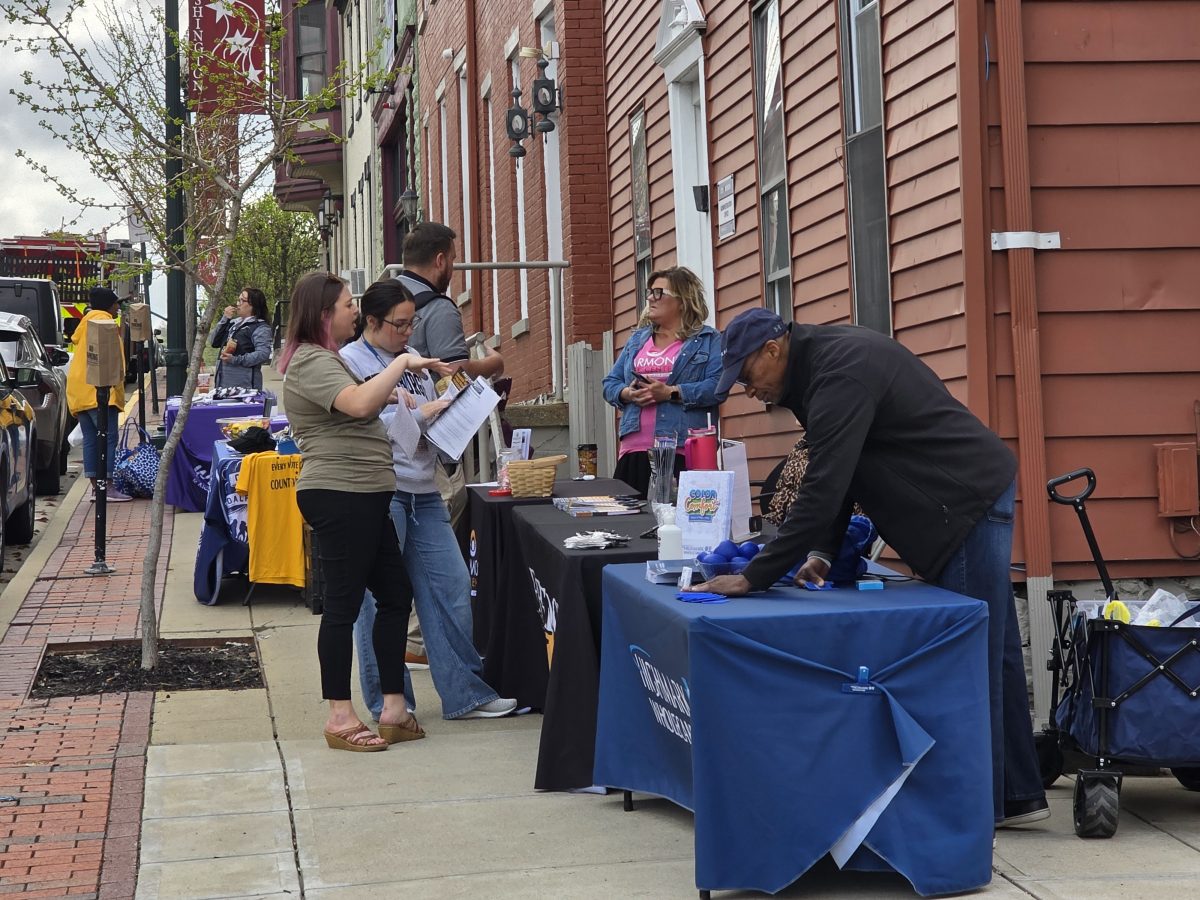
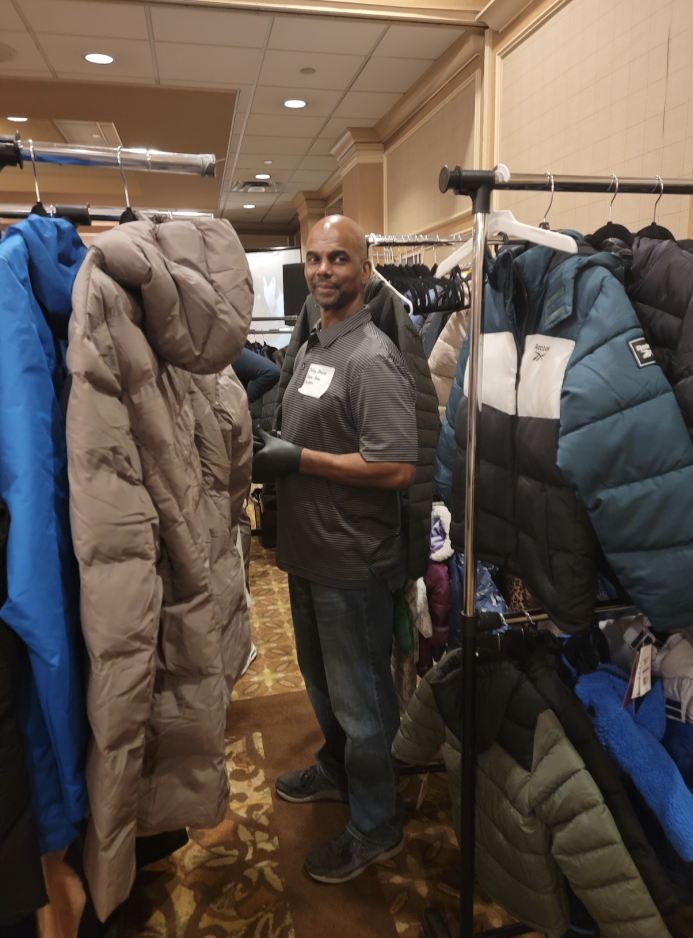
Jeffrey Johnson knows firsthand the challenges and difficulties of transitioning out of the justice system. After nearly a quarter-century in and out of jail, he experienced that transition himself and now works to help others find their way in overcoming adversity and preventing recidivism. Jeffrey and his wife, Shakira, established the Johnson-Shaw Foundation to help serve adults and children affected by incarceration and the barriers of reentry to the community. Their work in these areas has earned them this month’s Driven By Hope Award sponsored by Washington Auto Mall.
Jeffrey grew up in Bentleyville, graduated and went to play football at Washington & Jefferson College. He didn’t graduate, however, due to legal issues. He says that began a long cycle of drug and legal problems that had him in and out of jail for nearly 25 years.
Eventually, he began reading and started a journal about what he wanted to do with his life. That led him to programs in jail that helped to prepare him for release and life outside. When he was released in 2015, he rekindled a friendship with another Bentworth High School grad, which blossomed into love a couple of years later. Shakira (Shaw) and Jeffrey Johnson married in 2017 and established the Johnson-Shaw Foundation to help people reintegrate into society after leaving jail.
“It’s based upon an experience he had with an organization out of Pittsburgh called the Foundation of Hope, which goes into the Allegheny County jail,” says Shakira Johnson. “Jeffrey utilized the HOPE program in his transitioning coming out of incarceration. They have an organization that continues to try to provide you help with work, clothes, shoes, boots, bus passes. So, Jeffrey already had the idea of how they ran it and his experience there. We utilize that information and this kind of is a passion for us as a couple.”
Shakira worked as a licensed practical nurse in the Washington County jail, so she could relate with her husband’s struggles and his motivation to help others.
“I worked in corrections for seven years,” says Johnson. “I have kind of an inside perspective on people in jail and coming out of jail, and the experiences I’ve had with people. Then based upon Jeffrey’s personal experience, being in and out of addiction and incarceration for a good portion of his life, probably nearly 25 years, and when he came out of his last incarceration in 2015 and, in those five years, he utilized that time to just change.”
Some of the barriers that the Johnson-Shaw Foundation works to help overcome include access to bus passes, birth certificates, and proper identification. They also work to help provide rental and utility assistance along with furnishings and household items. Their Bridge to Success: Trades Apprenticeship Readiness Program helps people follow a path to a career in the trades, just as Jeffrey did by becoming an electrician.
The Johnsons launched their nonprofit foundation in 2022 to help people in Fayette, Greene, Washington and Westmoreland counties. So far, they’ve helped about 200 people reentering society from incarceration.
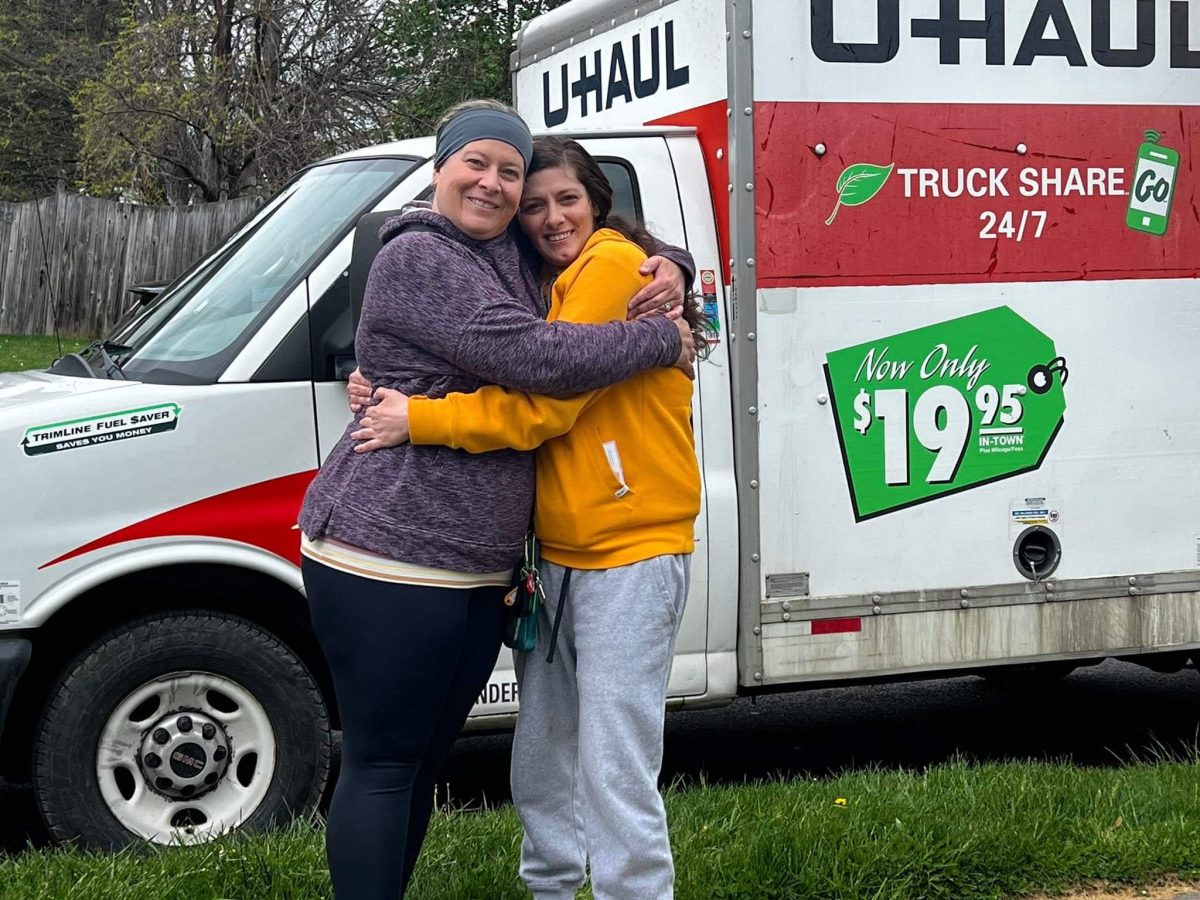
“We knew he wanted to help people in the community,” Shakira says, “and that’s when we narrowed it down to helping reentrance specifically as we understand barriers that they face.” One of those barriers is finding employment, but another is also finding housing and furnishings. “We take people to get furniture, ride in the U-Haul with them, and that is an experience I love because I get to talk to the clients when we’re in the truck together,” says Shakira. “I learn so much, and they reveal so much in a very vulnerable way. We hear about people trying to get their children back, we hear people coming out of their struggles of substance use disorders, we see where people are living and just have that experience with them.”
Shakira says the best way the public can help the foundation is through financial donations and also by donating hygiene or cleaning products.
“We want to kind of advocate and show people that helping people through these barriers to prevent recidivism, it helps not only the person who’s dealing with it, but it helps the whole community.”
To find out more about the Johnson-Shaw Foundation or to make a financial donation, please visit www.thejohnsonshawfoundation.com.