

A-OK?

Along with advanced placement classes and college courses, many take part in extracurricular activities, volunteer, or have part-time jobs.
But since they’re excelling academically, many think there’s no cause for worry. Oftentimes, that’s not the case, said Dr. Mary Jo Podgurski, founder of the UPMC Washington Teen Outreach, a program that trains peer educators and mentors young parents.
“I think sometimes high achievers get lost,” she said.
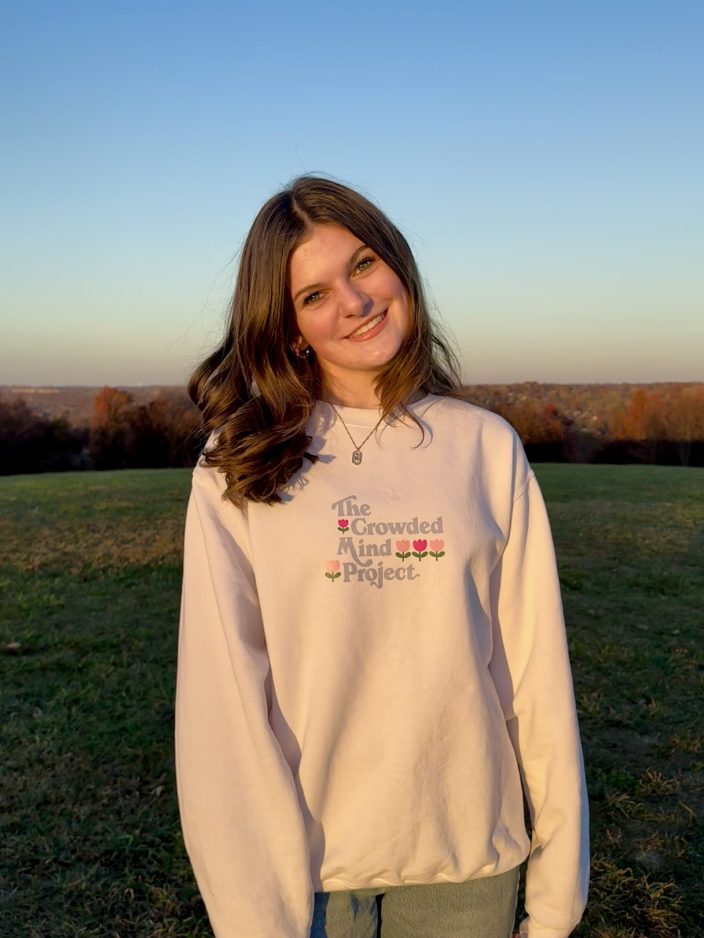
That’s something 17-year-old Haylie Goforth has seen at South Fayette High School.
“They’re drowning in stress, but they want that academic validation, so they … keep going,” said Goforth, who founded the mental health-focused @CrowdedMindProject on Instagram and TikTok in 2024.
The project was initially meant to be short-term and focused only on eating disorders, but when it gained momentum on social media, Goforth expanded it. The high school senior started using her posts on Instagram and TikTok to foster open conversations about all facets of mental health.
She encourages her followers to seek out mental health help if they need it, even if that seems hard to do.
“I think it’s difficult for some people to sit face-to-face with themselves,” she said. “It takes a lot of courage to do that.”
Goforth said she’s heard from peers struggling in many different ways, including those trying to balance advanced academic classes with extracurricular activities and the normal challenges of being a teenager.
That balancing act is something school officials have seen and are trying to address.
“We found a couple of years ago, being a small school, our honors and AP students are the ones playing sports and (taking part in) activities,” said Jefferson-Morgan School District Superintendent Dr. Brandon Robinson, and finding time to study adds to their stress.
Discussions with students led to personalized learning time, a period during the school day for students to do anything from decompress to catch up on homework.
Podgurski said whether a high achiever struggles is dependent upon the student.
Addison Gregory said a strong support system has kept her grounded.
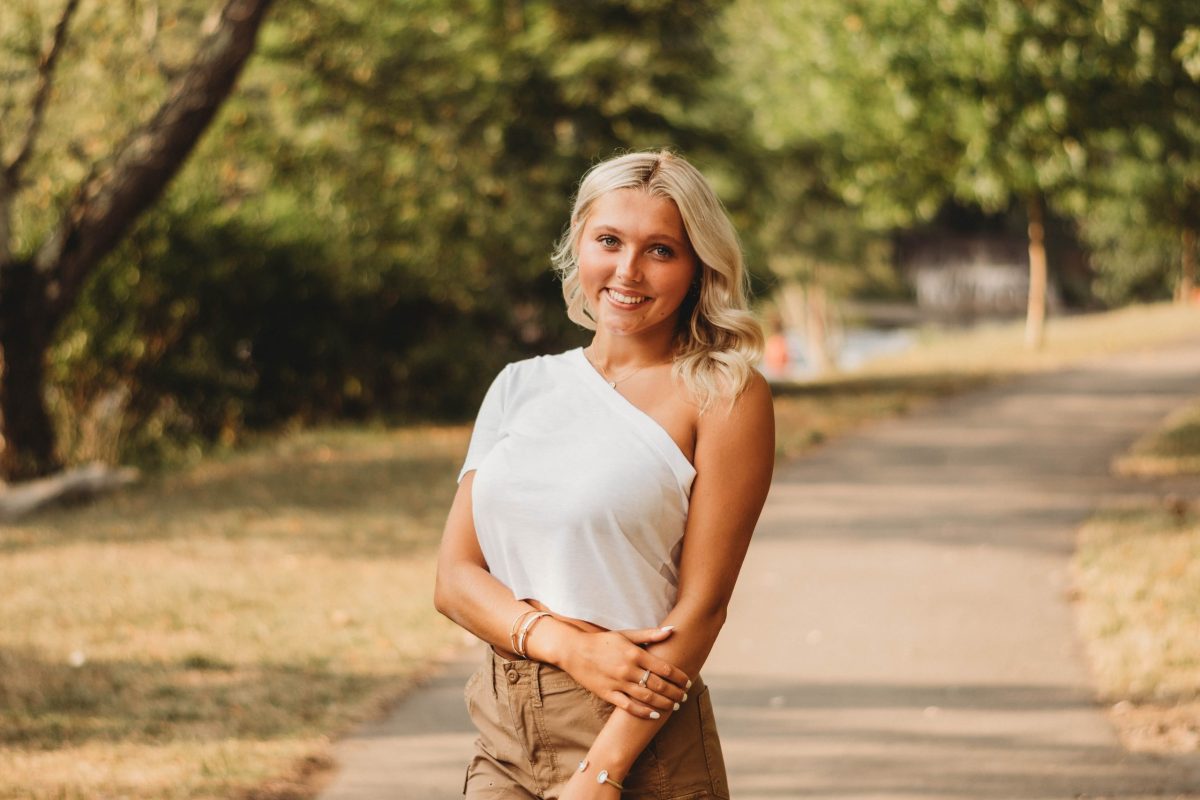
Gregory “took every AP course I was offered” and started dual enrollment her sophomore year of high school. When the 19-year-old graduated from California Area High School this past May, she had enough college credits to start at PennWest California as a sophomore.
Gregory, of Coal Center, also was heavily involved in extracurricular activities and sports, and volunteered outside of school, logging over 50 hours during her senior year of high school. She also shadows dentists because she wants to be an orthodontist.
When she started taking college classes in high school, Gregory knew how important a support system would be. She had that with family and friends, but also reached out to professors for guidance, and got involved on campus.
“I was a regular and everyone knew me before I even got there for my first semester, which was very helpful at building a network,” she said.
While she classifies herself as “motivated and goal-driven,” Gregory said she makes time to decompress. She runs daily, is a cheerleader at PennWest and spends time with her Delta Zeta sorority sisters.
Podgurski said there are two types of high achievers: students like Gregory, who are consciously working toward a goal, and students who achieve because they need affirmation.
“You have to know them, take time to listen to them. Assess who they are, what they need, why they need it,” she said.
But whether it’s a student who pushes too hard or one who does the bare minimum, Podgurski believes the level of mental health risk is the same.
Frazier High School school counselor Shari Hohol agrees.
While courses that require extra studying can lead to more stress, Hohol said things like navigating romantic relationships and friendships, social pressures and worrying about the future are universal.
Both women said recognition from parents or other adults in their lives is key to catching mental health changes and addressing them.
That unconditional support is incredibly important in a young person’s life, Podgurski said.
“They don’t have to show me they’re worthy,” Podgurski said, “They’re worthy just because they were born.”