

No measles in Washington, Greene or Fayette counties, but health officials urge vaccination
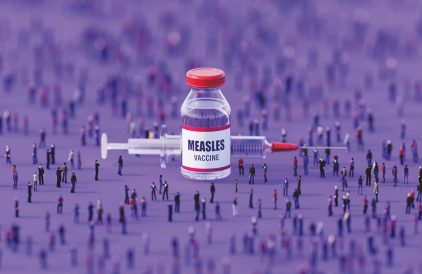
Pennsylvania had 12 confirmed cases of measles among commonwealth residents as of Monday, and another two cases involving visitors to the state were reported, according to the state Department of Health.
The DOH said it is monitoring the measles cases closely. Eight are in Lancaster County, three in Montgomery County, and one in Chester County. No cases have yet been reported in Washington, Greene or Fayette counties.
None of the Pennsylvania patients diagnosed with measles had been vaccinated, according to the DOH.
Measles infections are rising sharply across the United States, with 1,136 confirmed cases in the first two months of the year – four times the number recorded at this time last year, according to federal data.
The American Academy of Pediatrics and other groups recommend two doses of the measles, mumps and rubella vaccine – one shot of the MMR vaccine – for all children at 12 to 15 months, and a second shot between ages 4 and 6, or when a child starts kindergarten.
The two-dose series prevents measles infection in about 97% of people, according to the health department.
“Vulnerable children across the nation need federal public health officials to be fully committed to stopping the spread of measles – and to use all the tools and platforms at their disposal,” said Dr. Andrew D. Racine, president of the American Association of Physicians in a letter to U.S. Health and Human Services Secretary Robert F. Kennedy Jr.
Last year, 16 measles cases were recorded in Pennsylvania. Across the United States, 2,283 cases occurred in 2025, which is more than any year since 1991 and could put the country’s measles elimination status at risk.
In South Carolina, a major outbreak has caused at least 935 cases since last fall. Florida has reported 114 total cases so far this year.
About 85% of measles cases have been among children and teens.
In Pennsylvania, about 94% of residents have received the MMR vaccine, which is “likely to help limit the number of measles cases in Pennsylvania, compared to other states with lower vaccination rates,” the DOH said in a statement.
Measles is one of the most contagious viral illnesses. Nine in 10 people who are exposed to the measles virus will become infected if they haven’t been vaccinated or haven’t had measles.
The virus spreads easily through airborne droplets and usually causes high fever, cough, redness of the eyes, and small white dots inside the mouth, to start. The characteristic red rash usually begins on the face and spreads to the body.
Before a vaccine became available in 1963, an estimated 3 million to 4 million people were infected each year, with about 48,000 hospitalizations and 400 to 500 deaths annually.
Worldwide, about 75,000 people, mostly children younger than 5 years old, died from measles in 2024, according to the World Health Organization.
According to the DOH, Pennsylvania’s MMR vaccination rate falls below the 95% herd immunity threshold – the rate at which resistance to a disease among a community is strong enough that it doesn’t spread easily. Ahead of the 2024-25 school year, Washington County’s rate of MMR vaccination among kindergarteners met the threshold at 95.6%, but Greene County (92.3%) and Fayette County (92.5%) fell below the 95% mark.
Said Dr. Dave A. Chokshi, chair of the Common Health Coalition in a press release, “Vaccination is one of the most powerful investments we can make for the health of our children, but when we fail to maintain high vaccination rates, we all pay the price.”
AAP said Kennedy has sown doubt in numerous vaccines during his time as the nation’s top health official. In January, the CDC reduced the number of routine vaccines recommended in its child and adolescent immunization schedules.
“Vaccines are the best tool that we have to prevent their counterpart diseases, and recommendations by health care providers are key to vaccine uptake,” the Pennsylvania Immunization Coalition said in a press release. “PAIC supports AAP and similar vaccine schedules to protect Pennsylvanian from the risk of preventable diseases, hospitalizations, and death.”