

Nonprofit helping decrease stray cat population
Fix ‘Ur Cat, a nonprofit that facilitates low cost spaying and neutering, was born, in part, when a friend of co-founder Michelle Bruce told her she was going to have to pay $300 to $500 to have her cat spayed.
“We were talking, and I said, ‘No wonder no one is doing this,'” said Bruce. “Ideally, if you can afford it, your pet should see a doctor once a year, get all their shots and have a wellness visit. But many people can’t.”
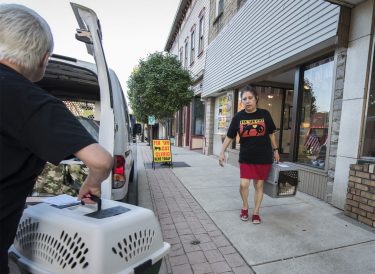
So Bruce and co-founder Pat Sphar, who have worked with Animal Friends of Pittsburgh, approached the group about facilitating low-cost spay and neuter options for Washington County. For about six years, Fix ‘Ur Cat – with the goal of reducing the cat population by the breeding of kittens – arranged to meet pet owners in municipality parking lots, fire halls and at the Iceoplex at Southpointe, where they would collect the cats and transport them to Animal Friends for the procedure at a low cost, then bring them back to their owners in the evening.
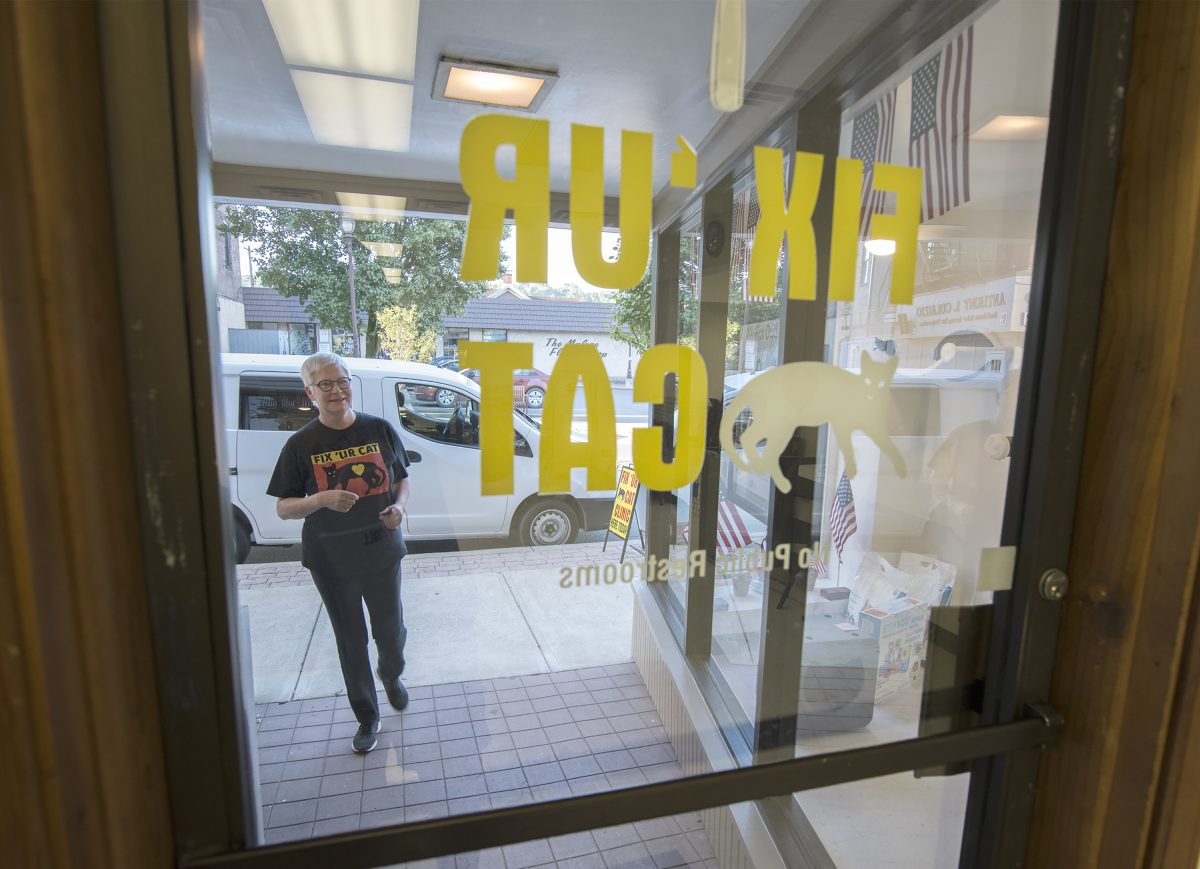
In June, however, Bruce and her cohorts were able to hold a grand opening for a building they purchased as their headquarters – 18 W. Pike St., Canonsburg.
Celeste Van Kirk/Observer-Reporter
Celeste Van Kirk/Observer-Reporter
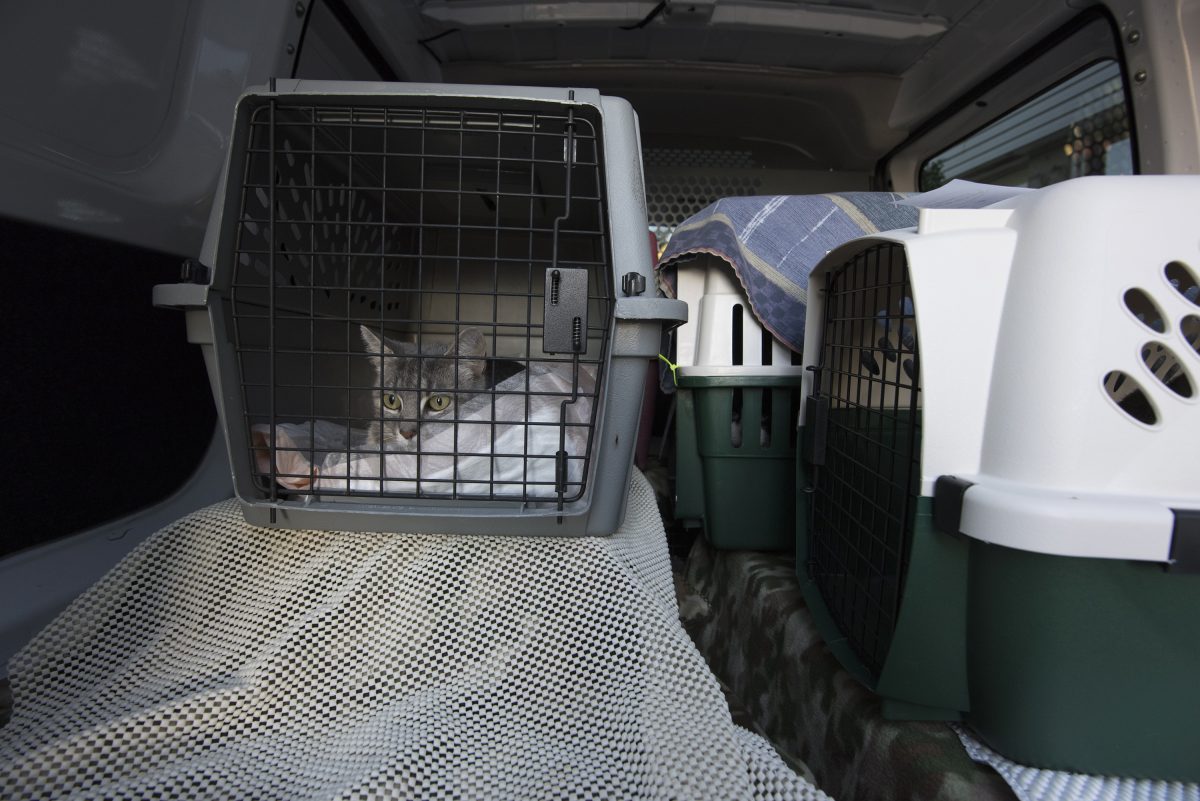
Cats wait to be transported for spaying and neutering. Fix ‘Ur Cat facilitates low-cost services in order to reduce the cat population.
“We do a lot of work for the people and the borough, so it was a good location,” said Bruce.
Canonsburg Mayor Dave Rhome said the borough has maintained a great relationship with Bruce and Fix ‘Ur Cat. Bruce and other residents helped form a cat committee to help decrease the stray population in the borough. Instead of using the services of animal control, volunteers catch or trap the cats and either find homes for them, or have them fixed and returned to their colonies.
The result has been a reduction in strays as well as a decrease in the number of complaints of fighting cats and urine spraying in the borough.
“We used to get many calls during the week. Now, we hardly get a call at all,” Rhome said. “That’s the relationship we’ve had with Fix ‘Ur Cat and the volunteers. We work well together.”
The clinic offers spaying or neutering for $45, including pain medication for the animals.
Bruce said that it’s important to offer the service at a low cost, because many people who find themselves caring for animals are on a fixed income.
Celeste Van Kirk/Observer-Reporter
Celeste Van Kirk/Observer-Reporter
Michelle Bruce, co-founder of the nonprofit, walks into their new location on Pike Street in Canonsburg.
“A lot of people who are the most compassionate with stray animals are people with the most time on their hands, like retirees, who are home a lot,” she said. “They look out on a snowy afternoon, and there’s a cat on porch, so they start feeding, and pretty soon, there are 10 cats.”
Bruce said she wishes more municipalities would adopt practices that Canonsburg has. Implementing ‘no feeding’ rules just doesn’t work, she said. By trapping and fixing cats, populations do start to go down.
“In one place I worked, a 95-year-old woman was feeding cats in a vacant building. There were 15 cats. In six years, we’re down to three cats,” she said. “The idea is through natural causes … the numbers do go down, but people have to be patient.”
Once or twice a week, Fix ‘Ur Cat holds the clinics, in which people drop off their cats from 6:15 to 6:45 a.m., then pick them up around 6 p.m. They transport about 20 cats per trip.
According to the organization, a female cat normally has a litter of four to six kittens, which are then able to breed after six or seven months. Taking into account that not all kittens survive, the University of Washington’s math department estimates one female cat and her offspring would produce between 100 to 400 cats in seven years.
Bruce estimates that they have fixed 1,000 cats every year for the past seven years.
Celeste Van Kirk/Observer-Reporter
Celeste Van Kirk/ O-R
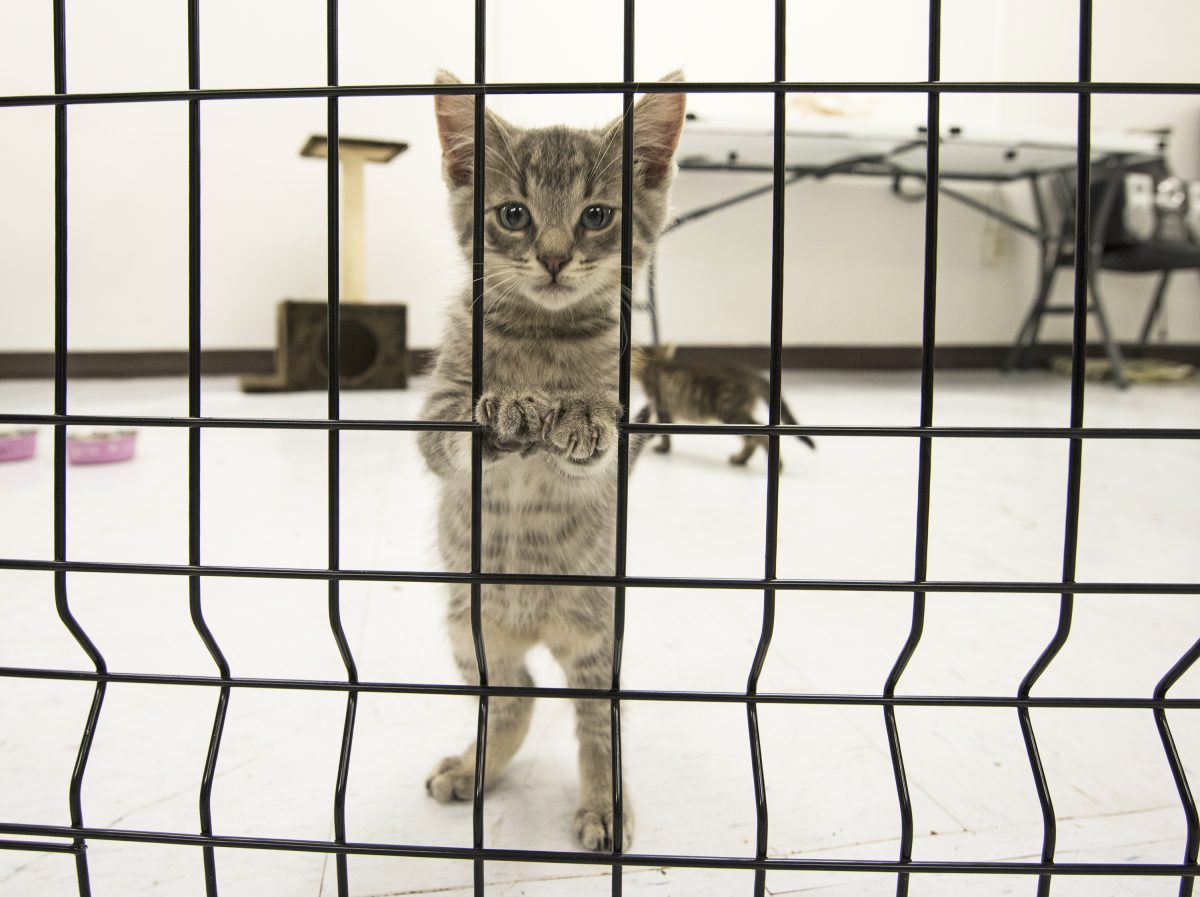
A small group of kittens that were rescued play in Fix ‘Ur Cat’s facilities.
Fix ‘Ur Cat holds fundraisers throughout out the year and relies on an all-volunteer staff to continue to provide low-cost services, including rabies shots and flea and ear mite treatments.
They are also able to help with emergency services. Last week, a man who had taken in a cat with an infected uterus reached out to the organization. A veterinarian told him the treatment would be about $3,000. Fix ‘Ur Cat was able to get the service for $88.
“It’s something they can afford. It’s not for people to take advantage of the system,” Bruce said. “It’s for people who care about their animals and can’t afford (to go to a veterinarian.)”
Fix ‘Ur Cat applications and information can be found at www.fixurcat.org or by calling 724-405-7349.