

Spooky Savannah: Southern city plays up its ghostly history
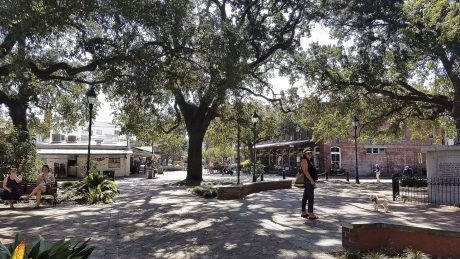
When you think of Savannah, Ga., the image of Tom Hanks as Forrest Gump sitting on a bench in one of the city’s lovely squares might come to mind. That scene was shot in Chippewa Square, which is just one of the picturesque downtown squares filled with trees dripping Spanish moss and lending a relaxing vibe to the area.
From “The Longest Yard” to “Glory” to “Midnight in the Garden of Good and Evil,” Savannah has been the site of numerous movie locations and shoots. Its southern charm, scenery and proximity to the ocean provide wonderful backdrops.
After a recent visit to the “Hostess City of the South,” what surprised me is that none of these movies have plots playing up what the city has embraced as a culture of hauntings, ghosts and general spookiness. Savannah has long been celebrated as a go-to destination to party on St. Patrick’s Day (the River Street revelry is epic), but if you’re searching for a spot with some haunted history just in time for Halloween, head south to Savannah.
Kristin Emery/For the Observer-Reporter
Kristin Emery/For the Observer-Reporter
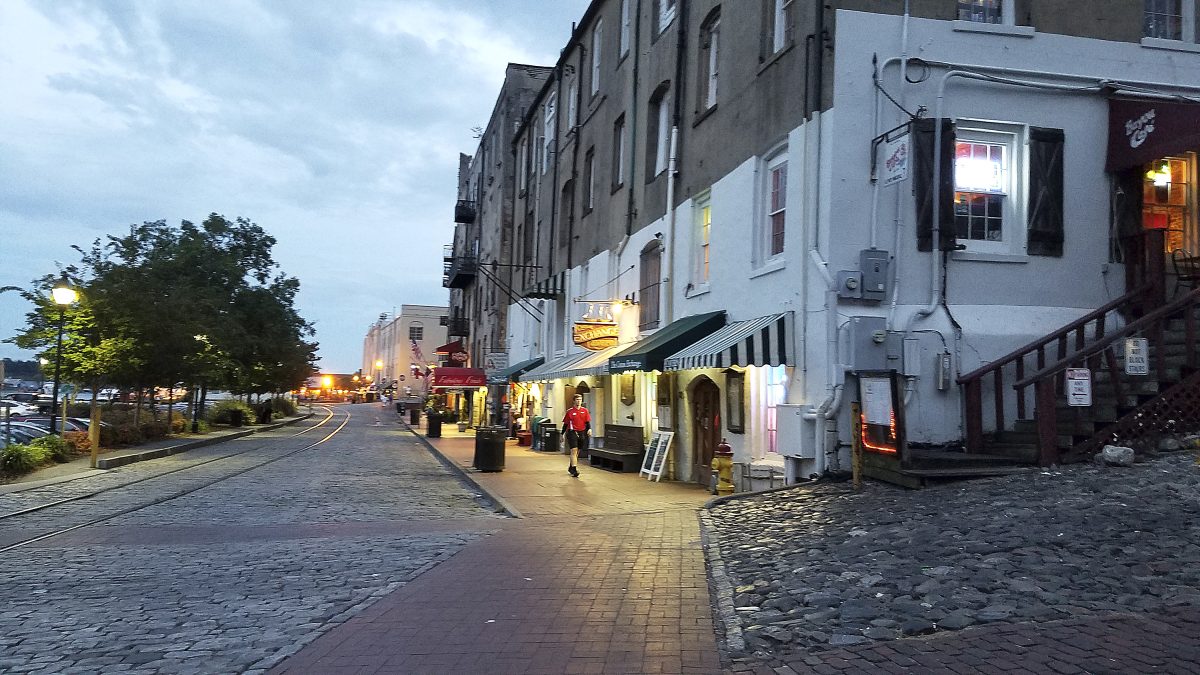
Old Town Trolley Tours of Savannah’s Ghosts & Gravestones makes a stop on River Street. Among the haunted locales is Perkins & Sons Ship Chandlery.
The first few times I visited this pretty city, I had no clue it was a haven for hauntings. It was only during my most recent trip that I began seeing and hearing references to Savannah being the most haunted city in America. I asked a nice lady at the visitor’s center on River Street why, and her response made my jaw drop.
“Well, this city is built on the bodies of dead people,” she quipped.
Once I closed my mouth and stopped laughing, we talked about it more in-depth. From the Revolutionary War to Yellow Fever and Indian burial grounds, Savannah has certainly had its share of death and tragedy.
To start, the land on which Savannah was built in 1733 was inhabited by the Yamacraw Indians, who used a nearby bluff as a sacred burial ground. In 1779, the second-bloodiest battle of the American Revolution occurred there. The Siege of Savannah took place in October of that year on the city’s western edge as Colonial and French soldiers fought together to retake the city from the British. Records show the bloody battle left nearly 1,000 soldiers dead. Evidence suggests the fighting spread from Spring Hill all the way into the city’s Madison Square, which is believed to be the site of a mass grave. Many Savannah residents tell of paranormal experiences in and near Madison Square involving the ghost of Sgt. William Jasper, who was killed during the siege and whose statue stands in the square.
Natural disasters and disease have also left their mark on Savannah, and many in the business of paranormal investigation believe the city’s many unmarked graves have led to ghostly appearances. In Savannah’s early days, it was common for families to bury loved ones in their backyards. Once the city started growing, many of these unmarked graves were forgotten, built upon and paved over with new streets.
Kristin Emery/For the Observer-Reporter
Kristin Emery/For the Observer-Reporter
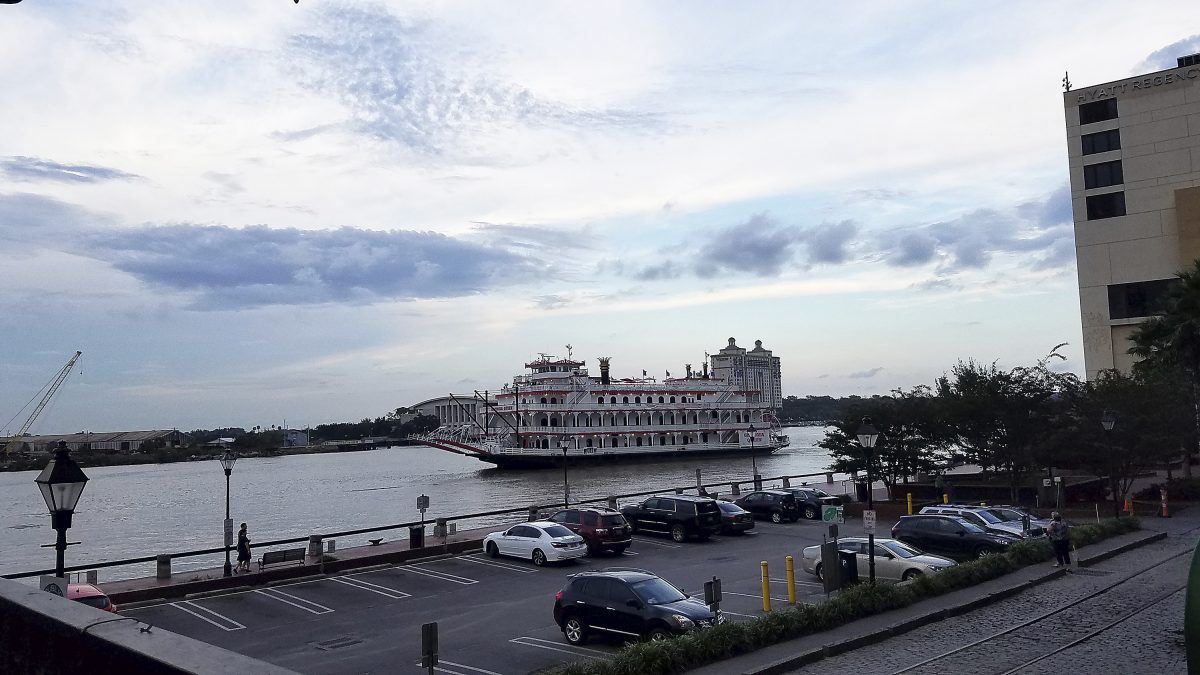
The Savannah River served as a rum-running route for bootleggers during Prohibition.
Horrendous outbreaks of yellow fever, which is carried by mosquitoes, also decimated Savannah’s population in the 1700s and 1800s. The disease thrived in Savannah’s swampy environment, and records show almost 4,000 residents succumbed to it between 1807 and 1820. Mass graves were dug to bury the dead – including one claiming to hold 700 bodies in Colonial Park Cemetery. Those who tell ghost stories in the city will remind you that the symptoms of yellow fever include delirium and coma, and that many victims were believed to be dead and buried alive only to awaken from their comas inside coffins.
Could that be what has led to Savannah being one of the country’s most haunted cities?
While Prohibition has nothing to do with ghost stories, it’s also fun to explore the legends of bootleggers and rum runners here. Georgia’s high concentration of Baptists caused the state to be the first to ban alcohol. But while Georgians were supposed to be abstaining, some of Savannah’s residents were not on the wagon, and the city became the unofficial headquarters for bootleggers and speakeasies.
One of the most fun places to visit here is the American Prohibition Museum (and, yes, they do serve booze) located at 209 West St. Julian Street. Here, you’ll learn the city’s history of hidden hooch, moonshine making in the swamps, rum running from the coast, and enjoy a special exhibit on Al Capone. The infamous gangster apparently spent quite a bit of time in Savannah running bootleg operations. He even had a special deal with a local garage owner and mechanic to specially outfit his rum-running cars with secret compartments, and to keep an extra supply of parts on-hand since his car somehow was always the target of gunfire.
Other bootleggers made it big in the Savannah area as well. “The Savannah Four” was a gang of guys who sold bootleg liquor from their grocery stores and also controlled rum-running ships from the Caribbean and Scotland.
Whatever aspect of the past you choose to explore while in this city, whether it be haunted historical buildings, battlefields frequented by ghosts or the site of a former speakeasy run by bootleggers, you’ll certainly find something spooky in Savannah while also getting to enjoy its southern charm, hospitality, delicious cuisine and, perhaps, a Prohibition-style cocktail.