

How to get started on a Mediterranean diet
Courtesy of MetroCreative
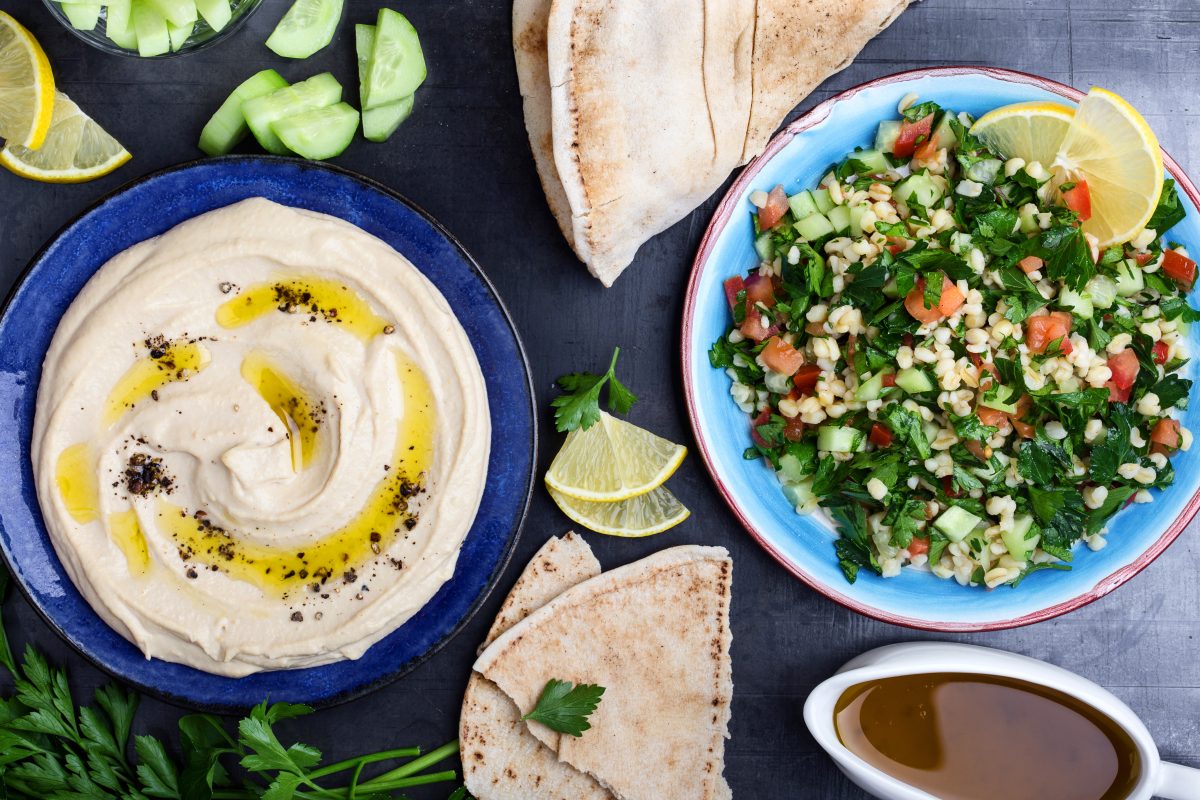
A Mediterranean diet is more of a plant-based eating plan than other diets.
Michelle Campion
Many people have heard of the Mediterranean diet, which can be recommended by doctors for those with heart disease or high blood pressure. It’s also often recommended to lower risk of heart disease, dementia and even depression.
But what exactly is the Mediterranean diet and how easy is it to get started on it?
The Mediterranean diet is more of a plant-based eating plan and lifestyle rather than a traditional diet. It includes daily intake of whole grains, olive oil, fruits, vegetables, beans and other legumes, nuts, herbs and spices. Animal proteins are limited to smaller quantities with fish and seafood being the proteins of choice, as red meat is eaten only rarely.
What is it?
Registered dietitian Michelle Campion, of Washington Health System’s Wilfred R. Cameron Wellness Center, said the Mediterranean diet can be easier for people to stick with “because it doesn’t eliminate whole food groups or demonize certain foods.”
“It focuses on healthy, whole foods including vegetables, fruit, beans, whole grains, fish and plant-based fats (like olive oil, avocado, and nuts), and choosing less processed foods, red meat, and foods high in sugar and saturated fat,” she said.
The Mediterranean diet includes a variety of foods that can be modified to fit personal taste preferences. The large variety of foods helps keep dieters from getting tired of eating the same thing over and over again.
“The types of foods in the Mediterranean diet are also foods that research has shown are helpful in preventing and managing a variety of health conditions including diabetes, heart disease, cancer prevention and hypertension to name a few,” Campion said.
It’s definitely a healthy eating plan, but not one designed for those just interested in losing weight, Campion said.
“Research has shown that it can help you lose weight, but there has to be an overall calorie deficit to do so – meaning you need to take in fewer calories than your body needs in order to lose weight,” she said. “Portion size is still an important key to losing weight, if weight loss is a goal.”
Getting started
How do dieters get started? Does a dieter have to clean out their fridge and pantry completely?
“With any change in eating pattern, most people I’ve worked with have the best success when they make gradual changes instead of doing a complete kitchen overhaul all at once,” Campion said. “Typically, a complete overhaul ends up in a lot of wasted food and money. We’re all used to eating a certain way, and if we try to start revamping every meal and snack at once, we’re not setting ourselves up for success.”
Instead, she recommends people start small with the swaps that seem easiest and go from there.
“In general, try to make your meals more plant-based,” Campion said. “Think fruits, vegetables, whole grains, plant-based proteins like beans, and plant-based fats like nuts and olive oil. Think less animal-based – decrease cheese, meat, butter, creamy dressings.”
Campion’s list of simple steps to get started include:
- Use olive oil instead of butter in cooking;
- Make half of a plate vegetables at lunch and dinner;
- Consider using frozen vegetables to increase vegetable eating to prevent waste;
- Choose frozen vegetables with no added sauces and season with herbs and spices;
- Decrease meat by half in a recipe and replace with beans;
- Eat fish, that’s not fried, twice per week instead of meat;
- Choose whole grains instead of refined grains in bread, pasta and cereal;
- Replace salt with fresh or dried herbs;
- Use strong-flavored and less processed cheeses like feta or goat cheese but only in moderation;
- Make a salad dressing using olive oil, vinegar, and herbs instead of store-bought dressing;
- Use fruit in place of jams and jellies on a sandwich or toast and as dessert instead of sugary desserts.
A little wine is fine
“One part of the Mediterranean diet that I always like to caution is with the wine,” Campion said. “If you don’t drink, the American Heart Association recommends not starting to drink alcohol for health benefits. If you do drink, keep it to a maximum of one five-ounce glass of wine per day for women and two glasses for men.”
Recipes
Tangy Italian Salad Dressing
Yield: 12 servings Prep time: 5 minutes Difficulty Level: easy
Ingredients
1 cup extra virgin olive oil
1/3 cup red wine vinegar
2 garlic cloves, pressed through garlic press
1/4 teaspoon salt
1 teaspoon oregano, dried
1/2 teaspoon basil, dried
Juice of 1 lemon
1 teaspoon Dijon mustard
Add all ingredients to a jar, cover and shake well. Use immediately or store in fridge. Use as salad dressing, drizzle on cucumbers and tomatoes, mixed with chickpeas, avocado, and shredded carrots, on a sandwich, as a marinade and in soups or stews
- Recipe from mediterraneanliving.com
Mediterranean Salmon With White Beans
Yield: 4 servings Prep time: 15 minutes Cook time: 10 minutes
Ingredients
1 medium onion, coarsely chopped
2 tablespoons olive oil, divided
1 (15-oz.) can cannellini beans, rinsed and drained
1/2 cup chopped pitted kalamata olives
1 cup halved grape tomatoes
2 tablespoons chopped fresh basil
4 (6-oz.) salmon fillets
1/2 teaspoon salt
1/2 teaspoon pepper
Garnish: fresh parsley sprigs
Sauté onion in 1 Tbsp. hot oil in a saucepan over medium heat 2 minutes or until slightly softened. Add beans, olives, and tomatoes; cook over medium heat, stirring occasionally, 2 minutes or until thoroughly heated. Remove from heat, stir in basil. Sprinkle salmon fillets evenly with salt and pepper. Cook salmon in a large nonstick skillet in remaining 1 Tbsp. hot oil over medium-high heat 3 minutes on each side or until fish flakes easily. Spoon bean mixture evenly over salmon fillets and serve immediately. Garnish, if desired.
- Recipe from myrecipes.com