

Grow your own way
Seed to Supper classes to begin
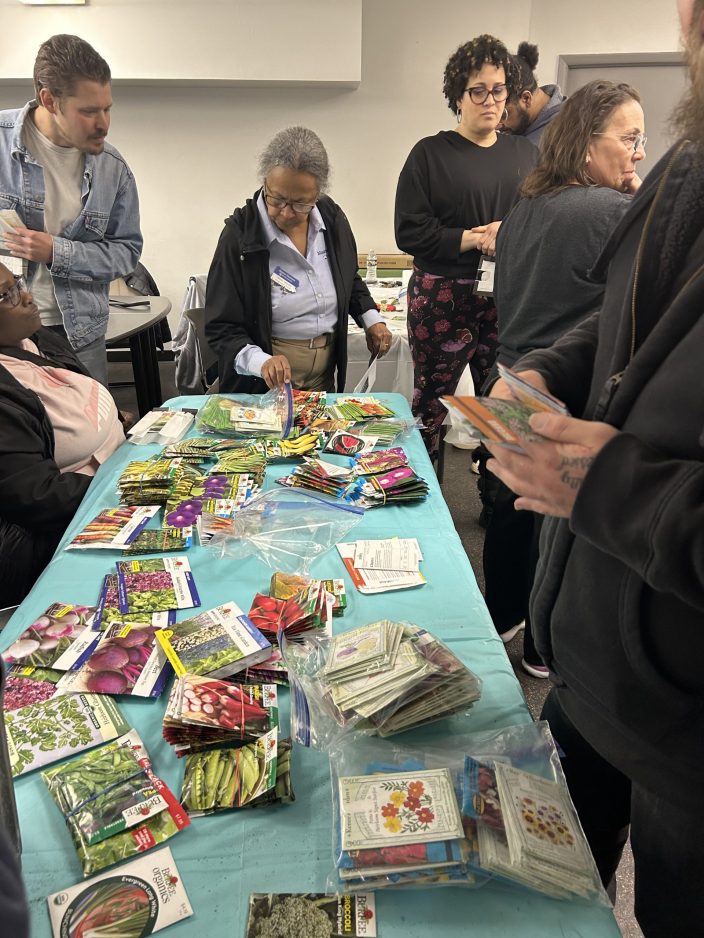
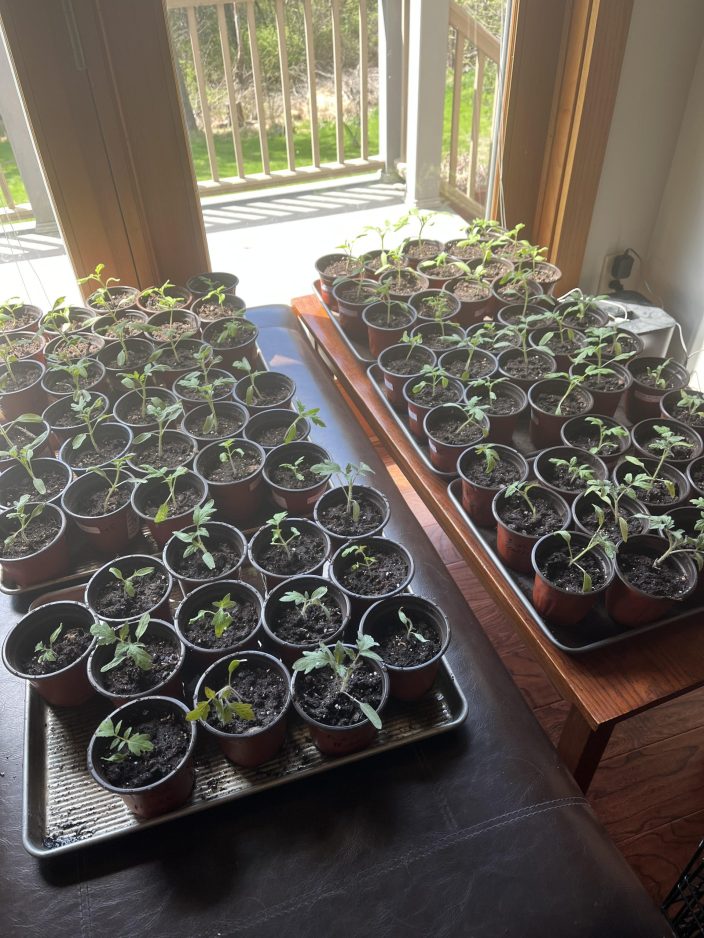
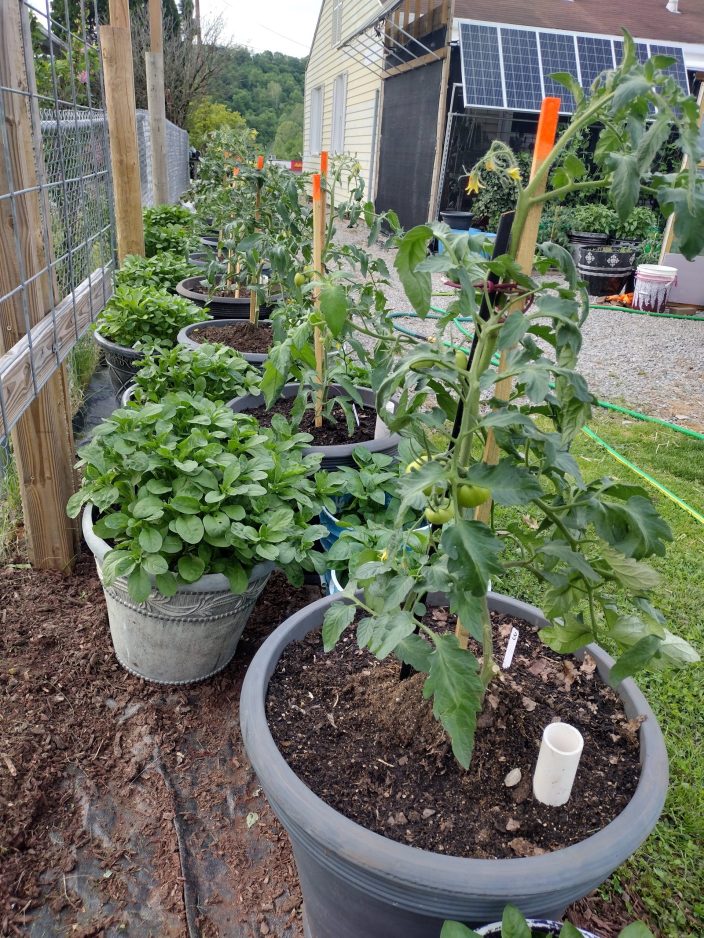
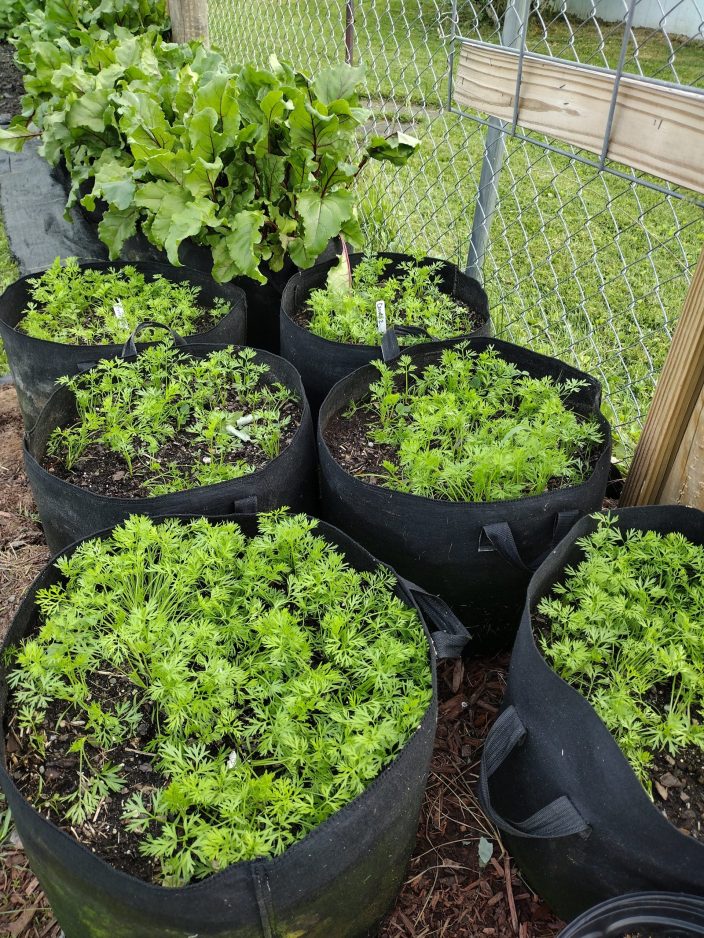
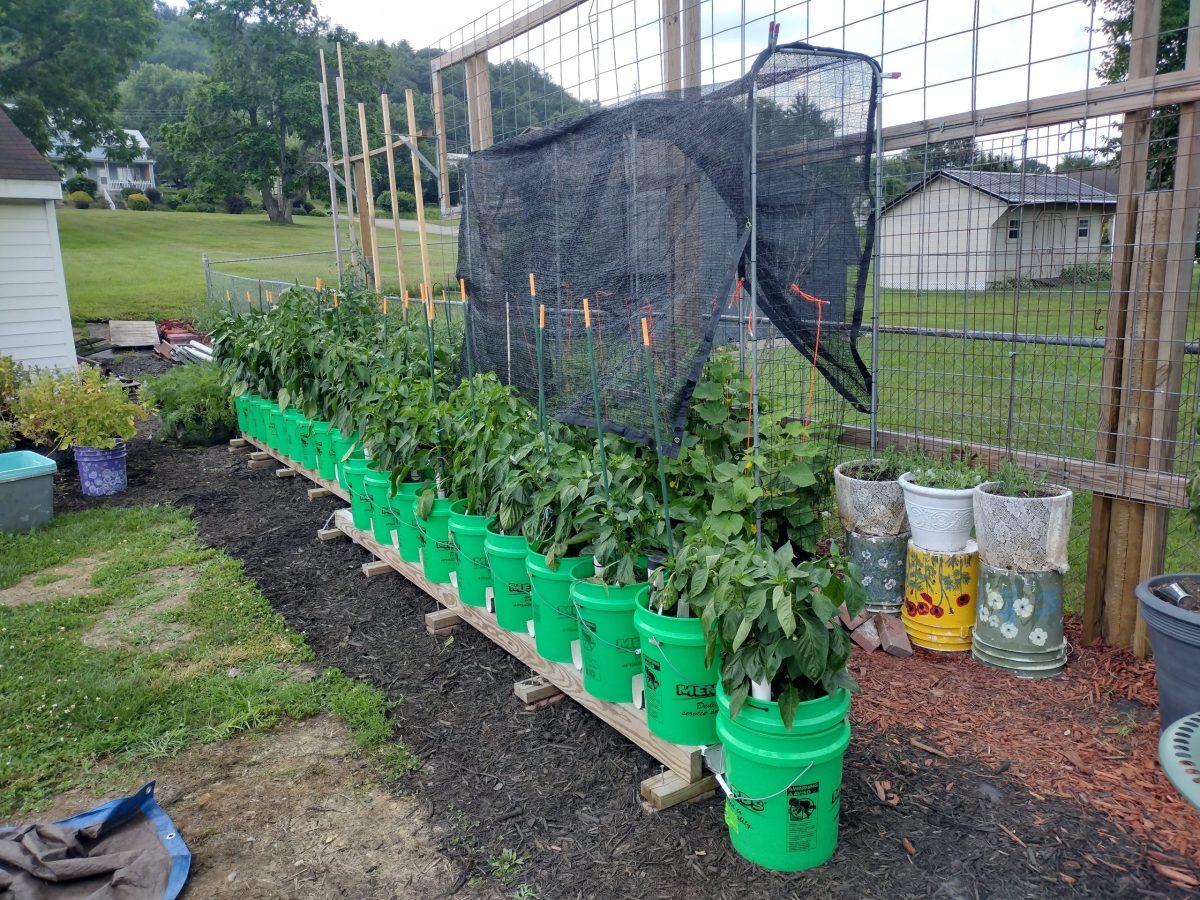
Last year, Autumn Laskody’s garden produced a bountiful harvest.
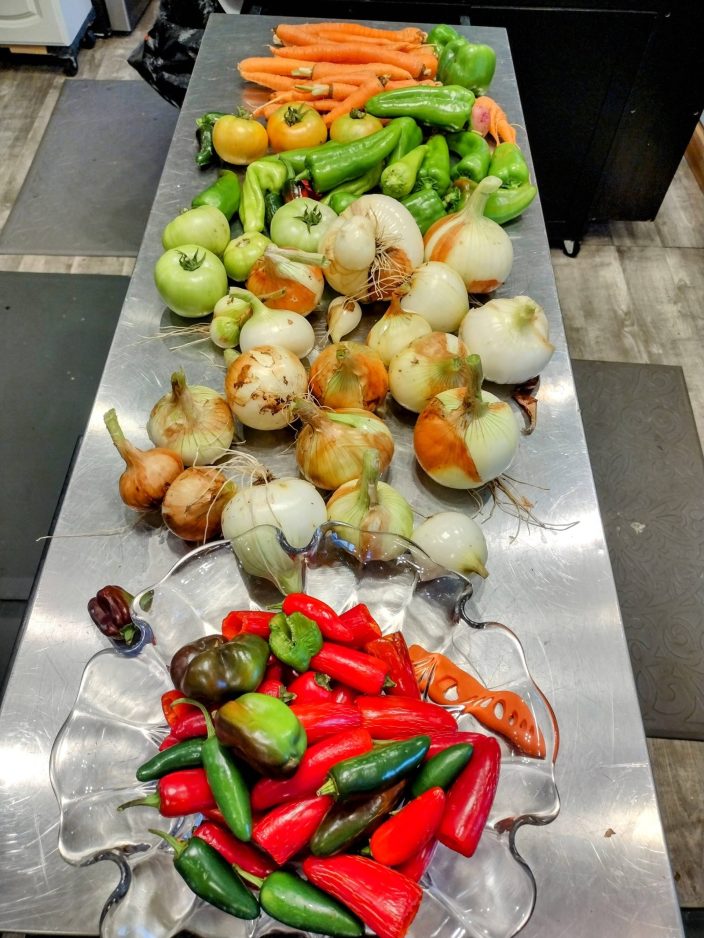
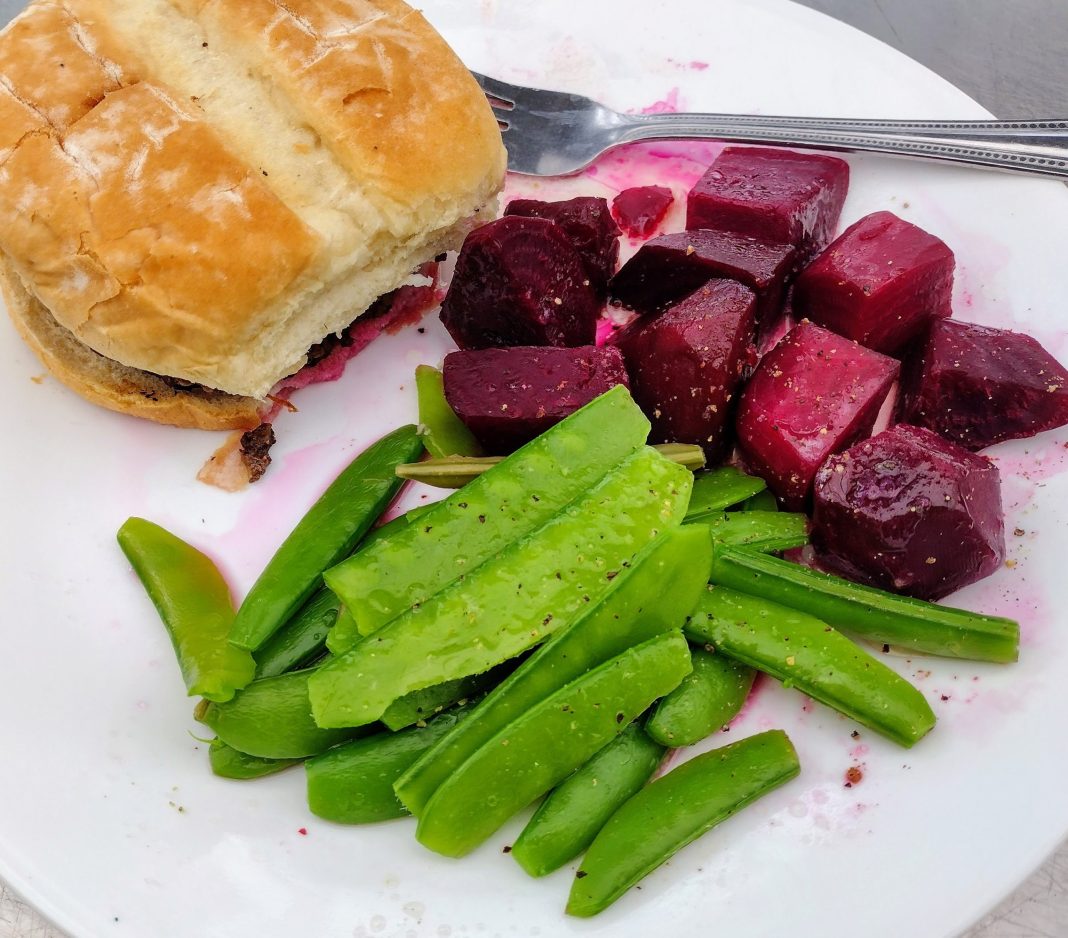
The plants that lined her yard yielded more tomatoes, zucchini, green beans, beets, potatoes, peppers, carrots and corn than the Waynesburg woman knew what to do with.
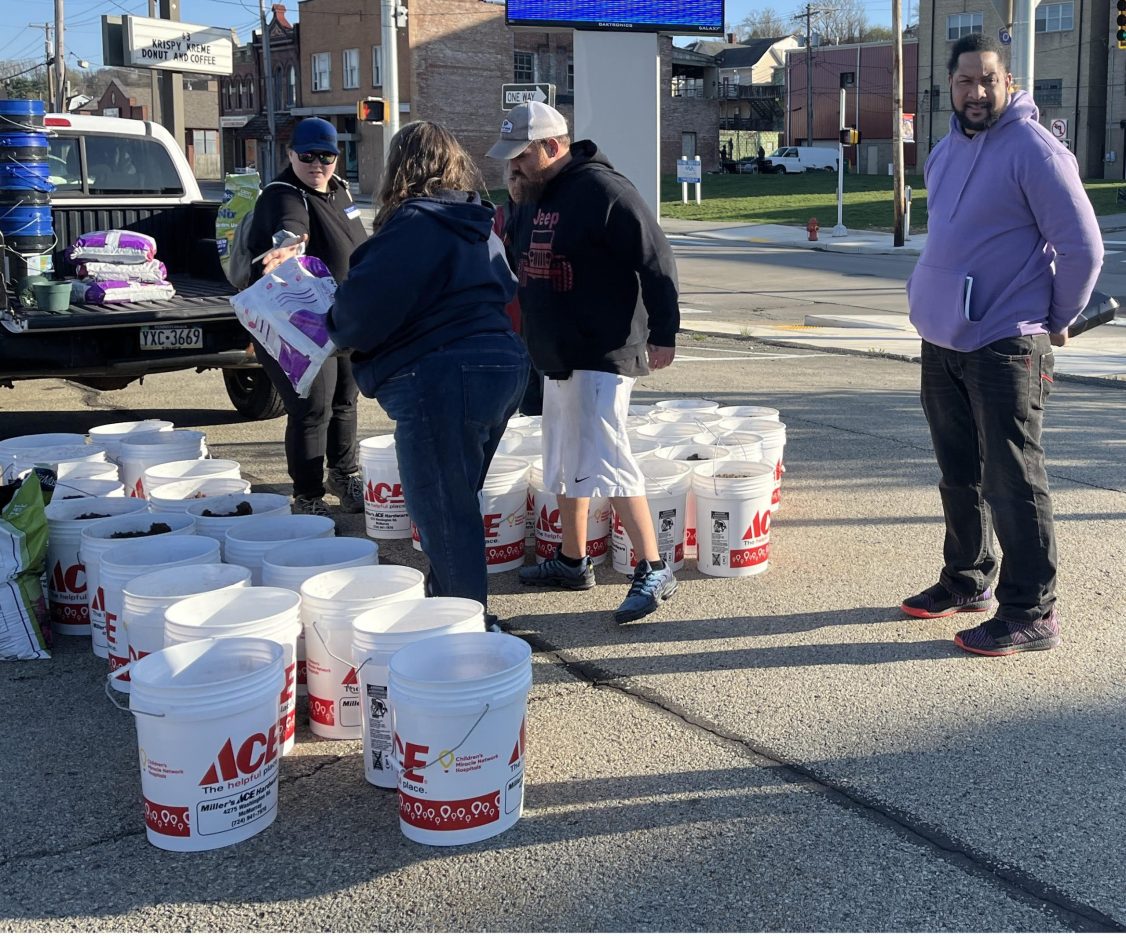
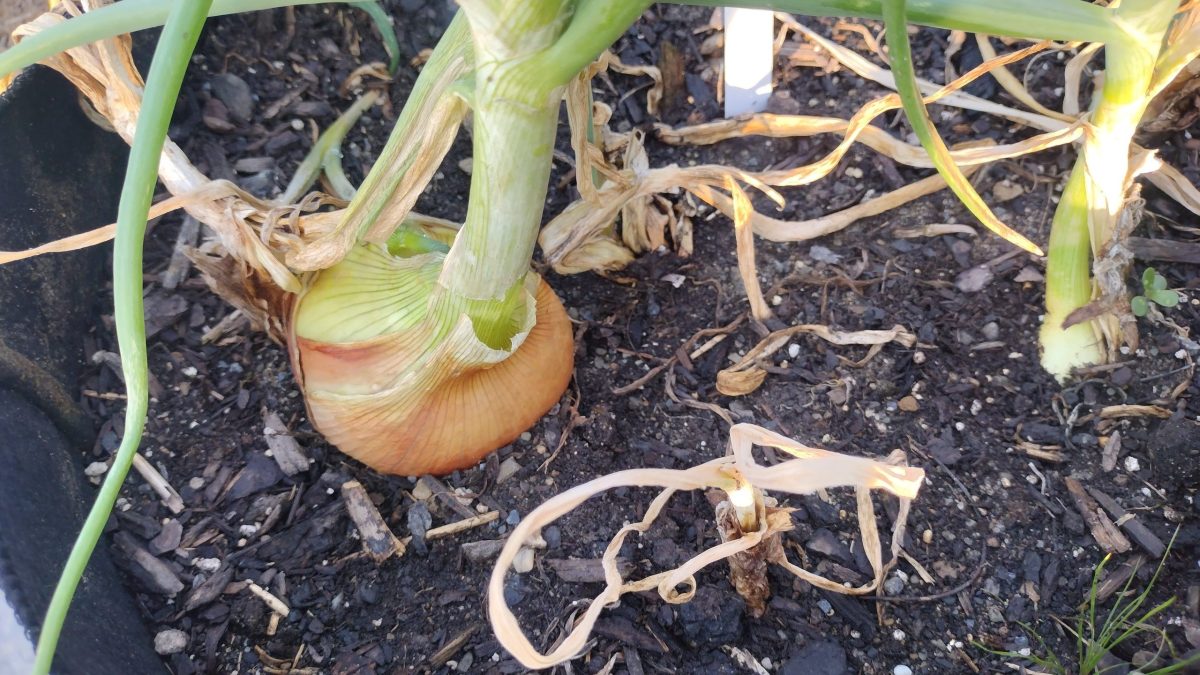
And, she said, not a single one of her crops was planted in the ground. Instead, Laskody put her plants into large flower pots, tubs, five-gallon buckets and cloth grow bags.
“You don’t have to have a big plot of ground to grow,” she said. “As long as you have sun, you can put them anywhere.”
Growing that way is a skill she honed at the Seed to Supper class she took last year in Greene County.
The program, run through the Penn State Extension, teaches participants how to plant in the ground, in a raised bed, or, like Laskody, in containers. The two-hour courses run over six weeks and include sessions on how to plan and plant a garden, where to have soil tested, what to do about pests and weeds, and how to harvest what’s grown and use it.
The classes are free, and open to both novice and experienced gardeners.
Locally, Greene, Fayette and Washington counties will offer the courses starting next month.
“We all know how the grocery store is right now – everybody’s complaining about higher prices,” said Cheryl Brendel, part-time coordinator for the Master Gardeners of Greene County, “but there’s no reason we can’t grow our own foods.”
One of the program goals is to help participants supplement their food supply with the home-grown crops.
It’s timely, given that overall grocery prices went up 29% between February 2020 and the end of 2025, according to the U.S. Bureau of Labor Statistics. This year, they’re expected to increase by another 2.5%.
To put that in perspective, a consumer who spent $520 yearly ($10/week) for fresh produce in 2020 will spend about $683.80 this year.
Linda Keller, Master Gardener coordinator of Fayette’s program, said the courses are for both novice and experienced gardeners.
She said there are plenty of things experienced gardeners will walk away with. One is the importance of soil testing, said Keller and Margaret Sams, a master gardener in Washington County.
“If you treat it right, it will do so much work for you,” said Sams, who is a soil scientist.
As part of the Seed to Supper program, participants will have their soil analyzed to determine what needs to be added or removed so they have the most possible success.
Brendel said how to curtail weeds is also covered. While her 7,500-square-foot garden might not be totally bereft of weeds, there are very few, she said.
Her secret? Creating a barrier with newspaper covered with clippings from untreated grass.
Laskody said the estimated 100 containers she used to plant her crops last year aren’t prone to weeds. Using the container method is ideal for people who may struggle with back or knee problems, she said, noting, “I never had to bend down and weed anything.”
Whether attendees want to plant like Laskody, build a raised bed or plant right in the ground, Keller said there is a definite payoff to growing your own vegetables and herbs.
“When you’re eating at your table, you know you grew that. You had a hand in it from seed to supper,” Keller said.
Class details
The Fayette County classes begin March 14 at the Carnegie Free Library in Connellsville and on March 16 at the Uniontown Public Library in Uniontown.
Washington County classes begin March 17 at the Center for Coalfield Justice in Washington; March 18 at Avella Public Library in Avella; and March 19 at St. Andrew the Apostle Church in Charleroi.
Greene County’s classes begin March 19 at the Bowlby Library in Waynesburg. A second class may be held at the Corner Cupboard Food Bank.
Space is limited.
To sign up for Fayette and Washington county classes, visit https://tinyurl.com/yzv6p9fs. To sign up for Greene County classes, call the library at 724-627-9776 or visit evakbowlby.org/.