

Seal leaks around home’s doors, windows
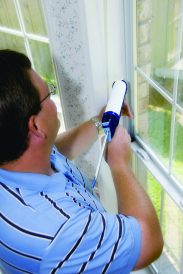
When pondering projects around a house, it’s easy to overlook small tasks and direct your focus toward more significant undertakings. Small projects might not generate the reactions that larger projects do, but even the simplest tasks can go a long way toward making a home more comfortable.
Sealing leaks around windows and doors is unlikely to make any homeowner’s list of dream projects. However, as the moderate temperatures of fall give way to harsh winter weather, homeowners who seal leaks around their doors and windows may be surprised by how effective this simple project can be at reducing energy costs and making a home more comfortable. In fact, the U.S. Department of Energy notes that sealing inefficient windows and doors can reduce annual utility bills by 7 to 15%. That’s a potentially significant cost savings, particularly in an era marked by rising utility costs.
Before homeowners seal their windows and doors, they can first look for signs that these areas are allowing outdoor air in. The United States Environmental Protection Agency notes there are some obvious signs that a home has leaks around the windows and doors. Those signs include:
• Drafts: If you place your hand around closed windows or doors but can still feel drafts, then there are leaks that will need to be sealed.
• Gaps: Gaps around windows and doors that are letting outdoor air in typically are noticeable to the naked eye. You might see light coming in through small cracks on a sunny day. These gaps may only be in one or two places, but that’s enough to adversely affect energy bills.
• Unwelcome guests: Pests or insects may be another indicator that there are gaps around windows or doors. If you consistently see insects near a particular entryway or window, or signs of pests near doorways, that’s likely because there’s a gap or hole in these areas that’s enabling them to access the interior of your home.
• Odors: It’s not only your sense of vision that might detect leaks, but also your sense of smell. If you notice exterior odors inside your home even though doors and windows are closed, then leaks around these areas may be the culprit.
• Peeling paint or wallpaper: Peeling paint or wallpaper is another potential indicator of a leak around a door or window. This can occur when water is entering the home through the leak. Over time, wet paint or wallpaper dries and can begin to peel. This is a potentially significant issue because it can lead to mold infestation and even structural damage to a home.
The EPA characterizes sealing behind windows and doors as a moderate to difficult project. If leaks are detected, homeowners can benefit from hiring a professional to do the job quickly and correctly.
Leaks around windows and doors can prove costly if they’re not addressed promptly. As winter approaches, investigating for leaks and addressing any that are found can save money and ensure a home stays comfortable when the temperatures drop.