

Insulate water pipes to prevent problems
Homeowners want to do everything they can to protect their investment, and that includes both renovating a property to reflect recent trends and keeping up with routine maintenance to ensure a home does not fall into a state of disrepair.
Anticipating potential issues and planning for them is part of maintaining a home. Such anticipation is an acquired skill, but homeowners can use the experience of others to identify ways to prevent home-related issues before they arise. One issue homeowners may want to plan for is frozen pipes. The winter of 2025-2026 was notably cold.
According to AccuWeather, the La Niña weather pattern was a driving force behind a particularly cold winter in various parts of the United States, including the northeast, midwest and mid-Atlantic regions. Temperatures in those regions were 10 to 15 degrees below normal, which AccuWeather notes laid the foundation for the most severe and frigid winter in nearly a decade.
The extreme cold that characterized the winter of 2025-2026 forced some homeowners to confront issues they had not anticipated, including frozen pipes. Pipe insulation is an important part of home maintenance that some homeowners may not have been aware of as recently as early 2026, but the following are some notable reasons to add this to your home-related to-do list before winter returns.
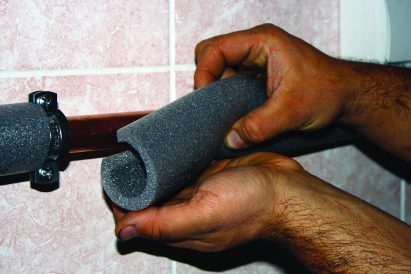
• Insulation prevents pipes from freezing. Frozen water inside pipes can start what’s essentially a chain reaction that can cause pipes to expand. When pipes expand, the resulting pressure can cause them to burst. By insulating pipes, homeowners can prevent them from freezing. Insulating pipes that are already behind a wall is not a simple job, so it’s best left to a professional. But pipes that are along exterior walls should be insulated to ensure they do not freeze when temperatures drop and remain low. Pipes in attics, basements and crawl spaces may be exposed, and homeowners may be able to insulate these on their own, though novices might still want to leave this important job to a professional.
• Insulating pipes can save you money. The United States Department of Energy reports that insulating hot water pipes is a notable way to save energy and money. According to the DOE, insulating water pipes reduces heat loss and can raise water temperature by as much as 2 to 4 degrees. That allows homeowners to lower the temperature setting on their water heaters, which saves money. Insulating pipes also reduces the time it takes for water to warm up when turning on a faucet or shower, which in turn leads to less water consumption and lower water bills.
• Insulation can reduce the risk of mold growth. Winter is not the only time of year it pays to have insulated pipes. According to the insulation experts at Aeroflex®, pipes are subject to mold growth. That can happen when pipes sweat in humid climates (think of a water bottle left out in the hot sun). The resulting condensation from sweating pipes can drip and lead to the growth of mold in surrounding areas, including within the walls. Mold growth in a home has been linked to various negative health outcomes, including respiratory issues. But insulation prevents the condensation that can lead to mold growth.
• Insulation is inexpensive. Homeowners who have grown accustomed to costly repairs and renovations should know that insulating pipes, particularly exposed pipes, is an inexpensive project. While it will cost more to insulate pipes within walls due to the extra work required to access such areas and address them once insulation has been installed, insulating those pipes, especially if they’re along exterior walls, can greatly reduce the risk for potentially costly damage down the road.
Insulating pipes is a worthwhile undertaking for all homeowners, and can be particularly beneficial for those who live in areas with extreme weather in winter and summer.