

Rick Sebak celebrates half-century in public television with ‘Summer of Sebak’
Rick Sebak celebrates half-century in public television
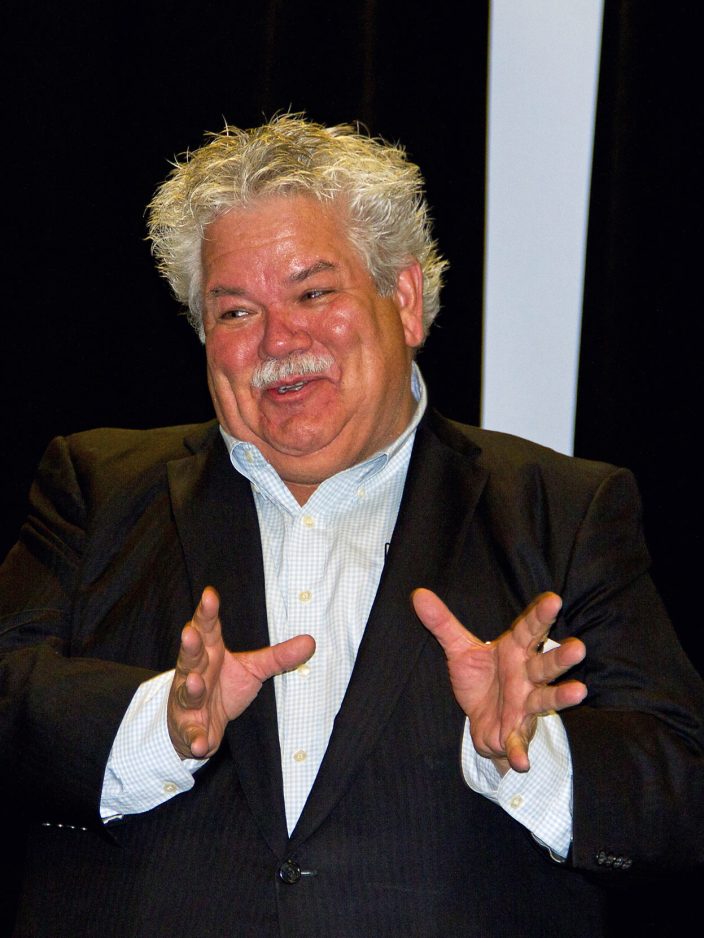
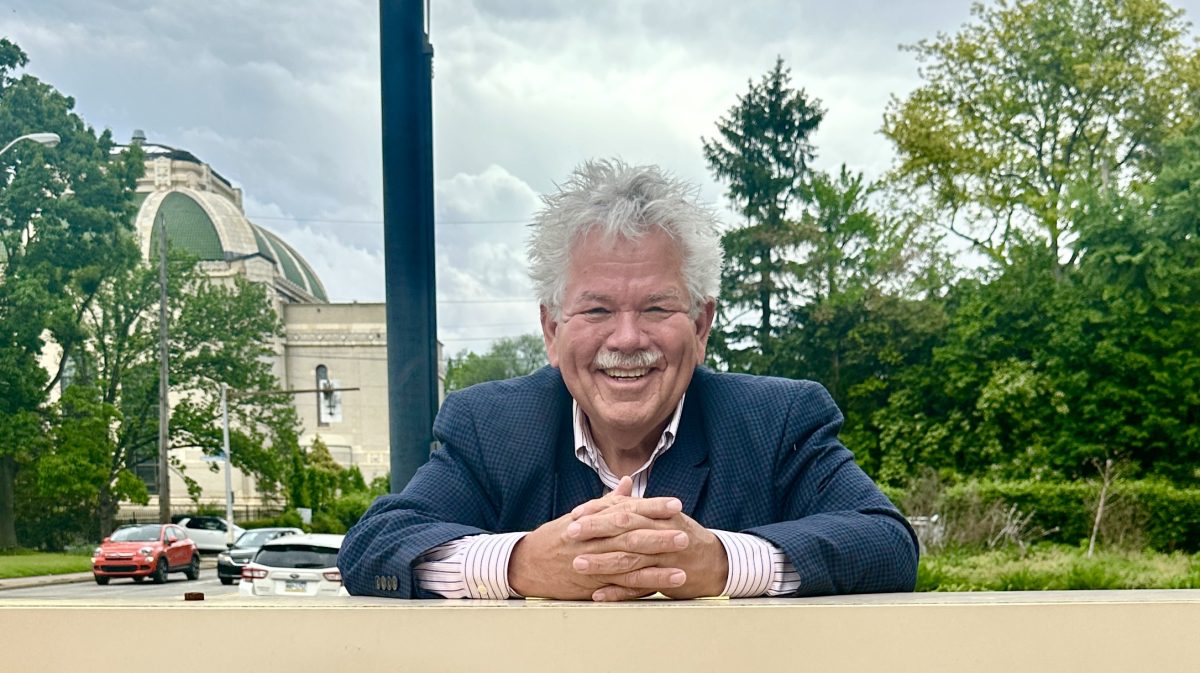

It took moving away for Rick Sebak to see Pittsburgh with fresh eyes.
After graduating from Bethel Park High School in 1971, Sebak did what many other people did in those days – he shook off the soot and grime of what was then the still-industrial Steel City and lighted out to the Sun Belt. He attended college at University of North Carolina-Chapel Hill, then moved even further south for a job in public television in South Carolina.
He wasn’t necessarily looking to make his way back to Pittsburgh, but a job opening came up at WQED-TV, the region’s public television station, and he applied.
“When you least need the job, something comes up,” Sebak explained in a recent interview. “I didn’t have any great desire to come back to Pittsburgh.”
Sebak’s dad drove him from South Carolina back to Pittsburgh in his van around the Fourth of July in 1987 for the interview. In the course of the journey, “I could see fireworks going off all around me.”
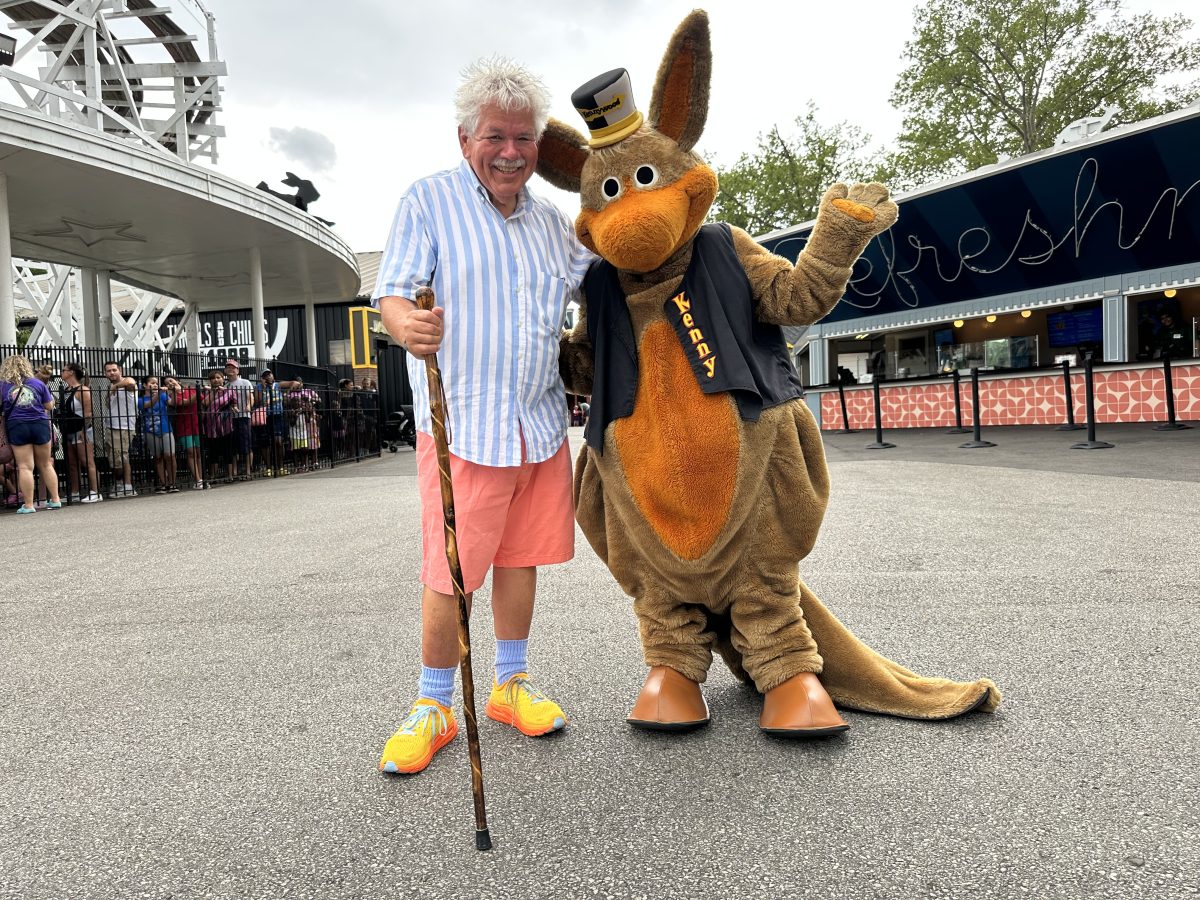
The fireworks now seem like a pretty auspicious omen. In the almost 40 years since Sebak has returned to Pittsburgh, he has become tightly bound to the region’s history and quirks. In his role as a producer at WQED, he has written and narrated a bumper crop of programs that highlight landmarks and illuminate off-the-beaten track attractions. There have been shows on Kennywood, the North Side, the South Side, the Strip District, Pittsburgh’s bridges and many more. Sebak has also served as a gregarious guide on programs about cemeteries, bakeries, breakfast, hot dogs and flea markets.
This summer marks the 50th anniversary of Sebak beginning his career in public television, and WQED-TV is marking the occasion with rebroadcasts of some of Sebak’s evergreen shows in prime time on July 30, and on Aug. 13, 20 and 27. They include “North Park vs. South Park,” “The Joys of Millvale,” “Squirrel Hill Tunnels” and “Downtown Pittsburgh.”
Pittsburgh Mayor Corey O’Connor also proclaimed July 14 “Rick Sebak Day,” and Sebak had the opportunity to briefly sit behind the mayor’s desk. In a social media post, O’Connor said Sebak has told stories “that celebrate the people, places, food, traditions and memories that define Pittsburgh.” O’Connor praised Sebak for “reminding the world what makes the city so special.”
It was when he came back to Pittsburgh that Sebak, who turned 73 in June, truly came to appreciate that “this place is really interesting and unusual. Every time I turn around I learn something new. … As you get older, you have more interest in history.”
He added, “Most of my programs are celebrations, as opposed to news or muckraking.”
Sebak’s programs have long been favorites on WQED-TV pledge drives, and that fundraising has become more and more crucial as federal funding for public media has been slashed. During his 50 years in public television – or “educational television,” as it was once called – Sebak has seen it evolve from one of only four or five options on the television dial to one of an avalanche of options that can be viewed on TV or online. Nevertheless, Sebak believes WQED and its public television counterparts in other cities are still vital and relevant.
“There are no ads and we are educational to our core,” he said. “And we are fun and informative. On public television, there’s still a lot of things worth watching.”
And Sebak wants to remain part of it, even though he is at an age where many of his peers have comfortably settled into retirement. He still makes his way from his Regent Square home to WQED’s offices on Fifth Avenue on most weekdays, and insists “I haven’t yet run out of ideas.”
“I still love what I get to do,” he said.