

How to create more interior space for winter
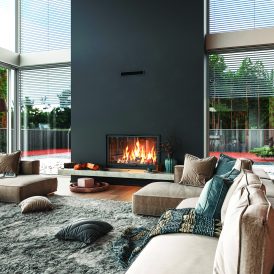
After a summer and fall spent outdoors, winter drives many people back inside. Homeowners may take inventory of their interior spaces in winter and find that there isn’t as much room as they would like. When entertaining inside, a home may feel particularly cramped.
Creating an open, inviting indoor environment requires maximizing spatial design but not necessarily expanding square footage. By focusing on a few strategies, homeowners can maximize interior flow.
Change up the layout of furniture
Being able to move around a space more easily may come down to rethinking the furniture layout. Interior design experts often emphasize traffic flow in a space, which can determine how comfortable homeowners and their guests feel. Universal design methodologies point to establishing clear, unobstructed routes to link different zones of a room. This will minimize physical congestion in the space.
When entertaining, homeowners can push larger pieces of furniture against the perimeter of a room to open up a centeral gathering area. Heavy coffee tables can be swapped out for smaller tables to allow the rearrangement of the layout depending on how many people are spending time in a given space.
Subdivide rooms
Open-concept spaces might have lost some their appeal in recent years. Designers are now going back in the direction of room-based layouts over open concepts, according to Martha Stewart and New York-based designer Madeline Merin. Some homeowners now have a greater need for definition of the spaces they have to work with.
Instead of one open room, dividing the space can create the illusion of having more square footage while providing distinctive spots for privacy and other room functions. An open-concept family room, for example, can be divided into a gaming room on one side and a home office space on the other.
Change how spaces are perceived
Lighting and visual elements can make spaces feel more roomy and inviting even if they haven’t gotten larger. Painting walls in soft tones will help them reflect more light, making boundaries feel like they are receding. Incorporating more natural light by removing heavy draperies is one strategy. According to the Journal of Biophilic Design, biophilic design is the intentional integration of nature into buildings and spaces to improve human health and productivity. Homeowners can incorporate natural lighting, living plants, organic materials, and organic patterns into their interior designs to make spaces feel more inviting
Homeowners can look to various design strategies to open up interior spaces in their homes with a goal toward making them more comfortable places to ride out the winter.