

Mammograms may reveal heart disease risk
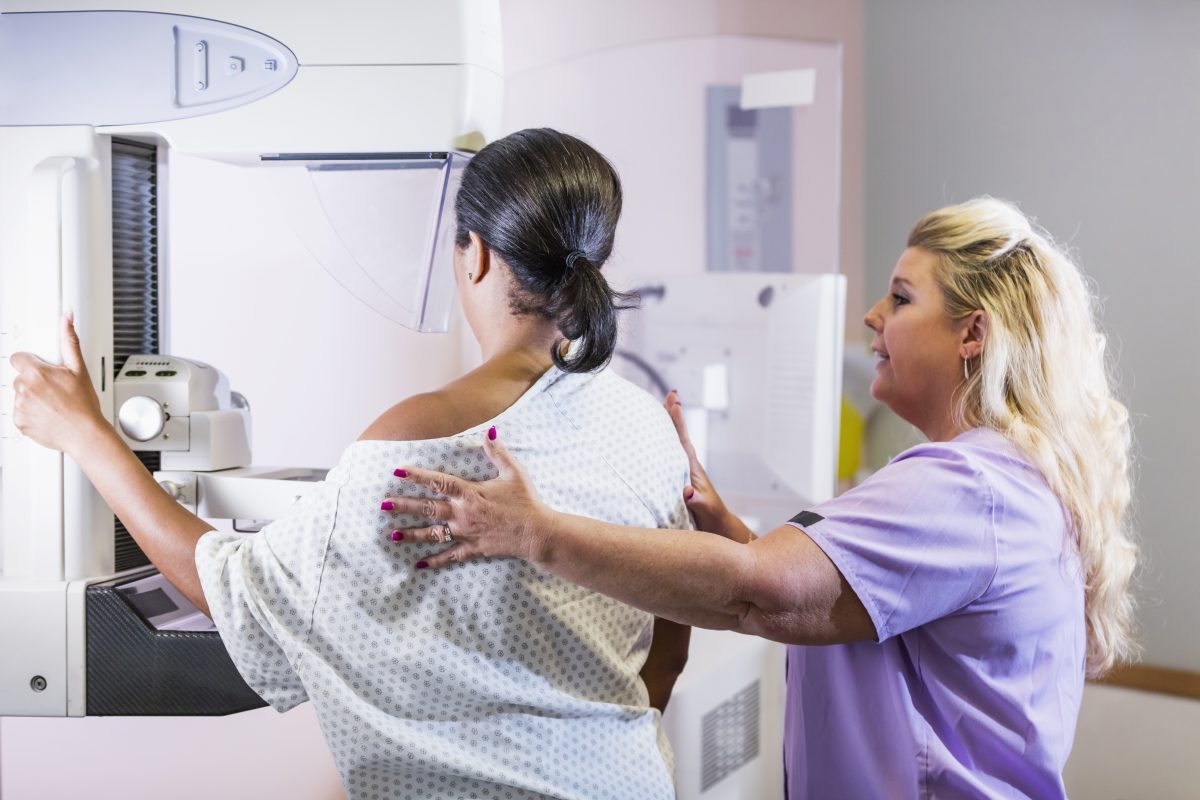

New research has found that getting a routine mammogram may help monitor heart health in many women.
Heart disease is the leading cause of death in women (not breast cancer), but a new study published in March in Europe shows screening for breast cancer through mammography can help doctors find early warning signals of heart disease. The study focused on measuring calcium deposits in the arteries that run through breast tissue.
Using artificial intelligence (AI) to measure those deposits in 120,000 patients’ mammograms, the study found those with the highest levels of calcification had more than twice the risk of a major heart problem such a stroke, heart failure or heart attack as opposed to those with no calcification. The calcium deposits are known as breast artery calcification (BAC), which can cause stiffening of blood vessels.
Noting calcium deposits in mammograms is nothing new, advanced technology with AI is letting doctors measure the deposits more accurately.
“Traditionally, mammograms have been solely focused on evaluating for breast cancer,” says Dr. Matthew Miller, Director of Breast Imaging at Allegheny Health Network (AHN). “Although the presence of vascular calcifications was noted, their significance beyond breast health wasn’t widely investigated or integrated into risk assessment.”
An estimated 40 million patients get mammograms yearly in the United States with nearly two-thirds of women getting regular mammography. Miller says the calcium deposits themselves are benign but should prompt patients to follow up with their primary care doctor or cardiologist.
“Breast arterial calcifications are now increasingly recognized as a marker of cardiovascular risk, but they are not yet incorporated into standardized national guidelines from organizations such as the American Heart Association or Society of Breast Imaging,” Miller says. “As a result, there is not yet a unified clinical framework for how to consistently report or act on these findings.”
His takeaway for both doctors and patients is that BAC seen on mammograms are an emerging and important marker associated with increased cardiovascular disease risk. While mammograms should not replace traditional heart screenings, they offer a valuable opportunity to identify women who may benefit from earlier or more focused cardiovascular risk assessment. “For patients, if BAC is noted on a mammogram report, it should prompt a conversation with their primary care doctor or cardiologist,” he says. “This does not mean there is existing heart disease, but it is a signal to more closely evaluate overall cardiovascular risk — even in women who may otherwise be considered lower risk. Radiologists should consider reporting BAC, and healthcare providers should be prepared to discuss these findings with patients.” Over time, consistent reporting could help build the data needed to better define its role in heart risk and future guidelines for care.
“This approach to detecting cardiovascular disease in women is a game changer because it leverages an existing, widely used screening tool to address heart disease, the leading cause of death in women, which is often under-screened and under-detected.”
What’s the connection?
The connection between calcium deposits and heart disease risk is in underlying vascular changes. BAC is typically a form of artery stiffening which is different from calcification seen in classic plaque in coronary arteries. However, both processes are associated with vascular disease.
“These calcium deposits can cause blood vessels to stiffen, which may contribute to increased cardiovascular risk over time,” says Miller. “When calcium deposits are found in the breast arteries, they are thought to reflect a broader process of vascular aging and reduced arterial elasticity occurring throughout the body. The presence of calcium in artery walls contributes to their stiffening, making them less elastic.”
Stiff arteries can increase blood pressure, put more strain on the heart, and impair blood flow. Research shows the presence — and especially greater severity — of BAC is associated with higher rates of cardiovascular events such as heart attack, stroke, and heart failure. “In essence, breast arterial calcifications act as a visible ‘canary in the coal mine’ signaling similar processes related to hardening of the arteries might be occurring elsewhere in the cardiovascular system, thereby increasing the overall risk of heart disease.”
Miller believes this research will lead to wider use of mammography in the future to assess heart disease risk but notes the most crucial step is the development of consensus guidelines from organizations such as the American Heart Association and Society of Breast Imaging. These would define how BAC should be reported and how clinicians should respond. “Radiologists need to consistently report BAC, and primary care physicians and cardiologists need clear, evidence-based pathways for next steps,” Miller says. “We need more prospective data to determine how BAC should influence management decisions and how it performs across different age groups and populations.”
The next step could be to spread the word among women about the significance of BAC on their mammograms – especially since the American Heart Association warns awareness of heart disease risk among women has been dropping. If a patient knows she has higher heart risk due to BAC on her mammogram, that information could prompt proactive steps.
“The presence of BAC could trigger a more thorough cardiovascular risk assessment involving detailed medical history, physical exam, blood tests and lifestyle assessments,” explains Miller. “Depending on the overall risk profile and the severity of BAC, a cardiologist might recommend additional non-invasive cardiac tests, such as an echocardiogram or stress test.”
The bottom line is that BAC on a mammogram should serve as an early warning sign prompting a deeper dive into patients’ heart health and empowering them to take proactive steps to protect their hearts.
“It’s crucial to understand that BAC is distinct from other types of calcifications found in breast tissue,” Miller adds. “Ultimately, this development empowers patients with more information about their overall health and gives them an opportunity to take a more proactive role in prevention.”