

Nearly half with high blood pressure don’t know they have it
High blood pressure, or hypertension, is a common but serious condition that can lead to significant health complications if left untreated.
About 50% of adults in the United States are affected, yet only about one in four have it under control. Over time, unmanaged hypertension places excess strain on the heart and blood vessels, increasing the risk of cardiovascular disease, the leading cause of death nationwide.
Early testing, accurate diagnosis, and timely management are essential for effectively controlling blood pressure and reducing long-term health risks.
High blood pressure
Blood pressure is the force of blood pushing against the walls of your arteries as your heart pumps it throughout the body. Hypertension develops when this force remains consistently high.
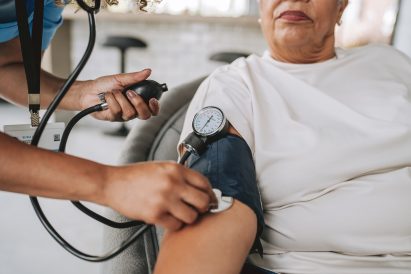
Blood pressure is typically checked at least once a year during a routine physical exam, though your healthcare provider may recommend more frequent monitoring if your readings are elevated. To measure blood pressure, a cuff is placed around your upper arm and inflated. The test records two numbers: systolic pressure (the top number of the reading), which measures the force when your heart beats and pumps blood, and diastolic pressure (the bottom number), which measures the force when your heart is at rest between beats.
“For most adults, a normal blood pressure reading is below 120 over 80 mm Hg,” said Dr. Chayakrit Krittanawong, an interventional cardiologist at Penn Highlands Cardiology. “Stage I hypertension is defined as 130 to 139 over 80 mm Hg, while Stage 2 is defined as 140 over 90 or higher. A hypertensive crisis, which is considered a medical emergency, occurs when readings exceed 180 over 120.”
Risk factors
The most common type of hypertension is primary hypertension, which develops gradually over time and is influenced by factors such as genetics, family history and aging. Secondary hypertension, on the other hand, has a specific, identifiable cause, such as certain medications, underlying medical conditions or substance use, and often appears more suddenly.
In many cases, multiple risk factors can interact and contribute to the development of hypertension, such as:
– Being over the age of 55
– Having a family history of hypertension
– Smoking or using tobacco products
– Being overweight
– Eating high-sodium foods
– Not getting enough physical activity
– Drinking too much alcohol
Know the signs
Most people with high blood pressure experience no noticeable symptoms, which is why it is often called a “silent” condition. In fact, an estimated 44% of adults with hypertension are unaware they have it, making regular blood pressure monitoring especially important.
Although uncommon, individuals with severely elevated blood pressure may develop symptoms such as:
– Severe headaches
– Chest pain
– Dizziness
– Difficulty breathing
– Nausea or vomiting
– Blurred vision
– Nosebleeds
– Abnormal heart rhythm
When should you see a healthcare provider?
“Regular blood pressure screenings are an important part of staying healthy, even when you feel fine,” said Krittanawong. “Most adults should have their blood pressure checked at least every two years starting at age 18, while those age 40 and older, or younger adults with higher risk, should be checked annually.”
If you already have high blood pressure or other heart disease risk factors, your healthcare provider may suggest even more frequent monitoring. Since high blood pressure typically causes no noticeable symptoms, these routine checks are often the only way to catch changes early and prevent serious complications.
The cardiologists at Penn Highlands provide comprehensive diagnosis and treatment for high blood pressure and other heart conditions. Learn more at www.phhealthcare.org/cardiology.