

Save a life this summer: Learn CPR
The busy summer season can take you almost anywhere – baseball fields, backyard cookouts, long workdays or road trips across the country. Regardless of where you are, summer is a reminder that emergencies like cardiac arrest can happen anywhere.
More than 350,000 out-of-hospital cardiac arrests occur in the United States each year, and 90% of people will not survive, according to the American Heart Association, a nonprofit organization devoted to changing the future for a world of healthier lives for all. Sudden cardiac arrest can happen anytime, anywhere. People often hesitate to step in. In fact, nearly 2 out of 3 adults believe CPR can only be performed by medical professionals. This mistaken belief can cost lives and contributes to the low survival rate.
Ordinary people have extraordinary power. You don’t need to wear scrubs or have a medical background to save a life – you just need the courage to act.
Take the safety of those around you into your own hands this summer with this checklist.
Plan ahead
Summer is often a time for welcome disruptions, including vacations, camps, sports and parties. Before traveling or attending events, check if your destination has a cardiac emergency response plan, which establishes specific steps to reduce death from cardiac arrest in any setting, from schools and community organizations to workplaces and sports facilities.
Learn CPR
Cardiac arrest can happen anywhere: at home, at work, in schools, at a soccer game or on vacation. When it happens, the first chance for survival often rests with the people nearby.
Anyone can be the difference before professional help arrives. The power to save a life is in your hands. CPR is a human responsibility, not just a medical skill. When friends, family or even strangers step in during cardiac emergencies, survival rates can double or even triple.
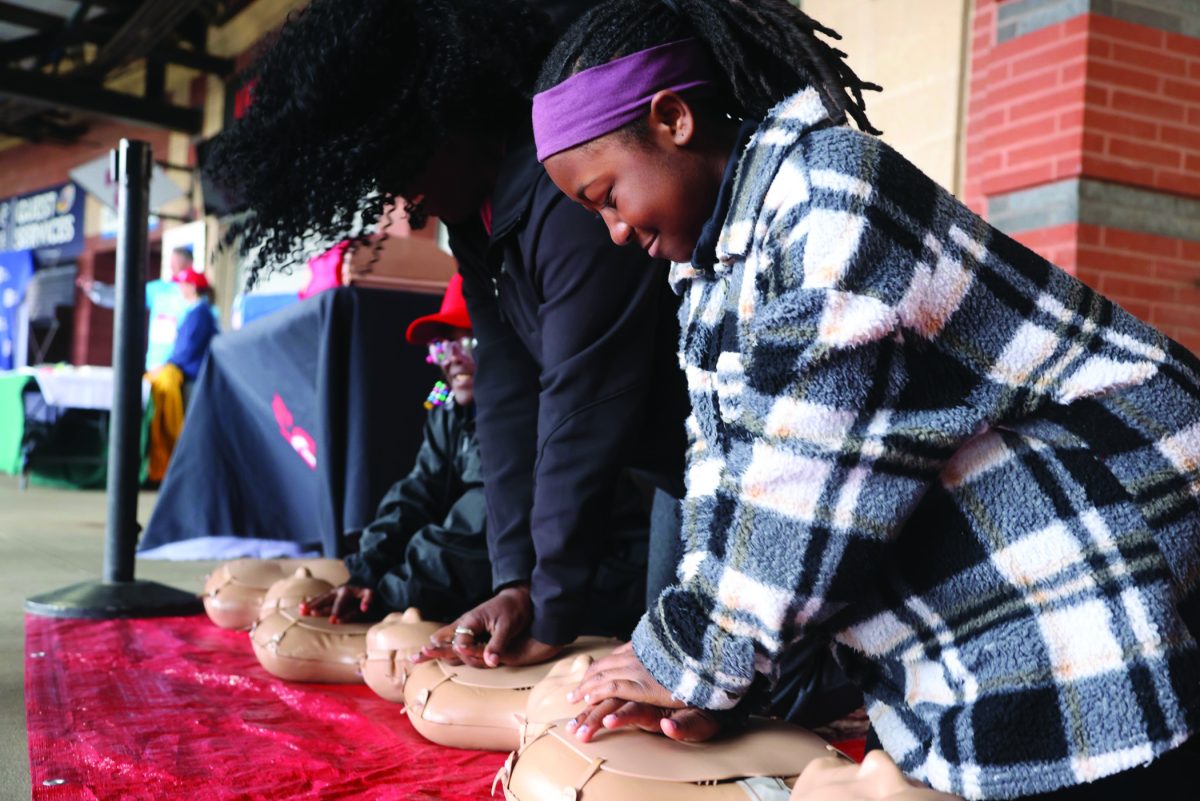
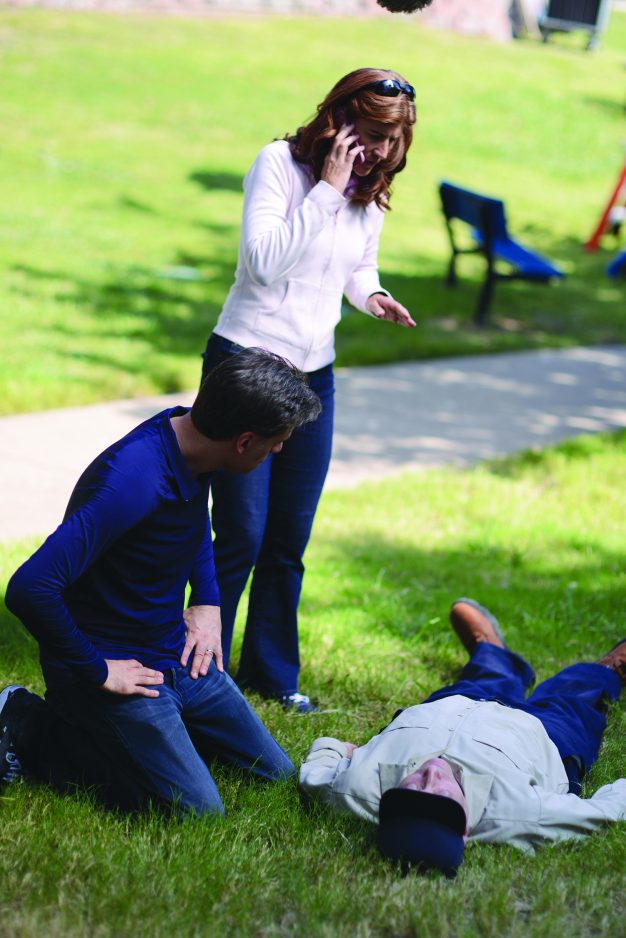
Hands-Only CPR for adults consists of two easy steps:
1. Call 9-1-1 or shout for someone else to call.
2. Push hard and fast in the center of the chest to the beat of a familiar song that’s 100-120 beats per minute, such as “Stayin’ Alive” by the Bee Gees.
Share resources
Once you’ve learned simple, two-step Hands-Only CPR, share resources with your community to help expand the American Heart Association’s Nation of Lifesavers. Raising awareness with family, neighbors and colleagues can help people feel confident in the face of an emergency.
Families can watch short instructional videos that demonstrate the life-saving steps for adults as well as techniques for infants and children.
Travelers can also get trained in about five minutes with a Hands-Only CPR Kiosk, located in many airports and public spaces across the country.
To find more information about learning CPR, visit Heart.org/Nation.