

Keep on truckin’
Food truck operators take their specialities on the road

Jennifer Hinebaugh would quickly rise through the ranks of whatever company she worked at.
But just as unfailingly, the company either closed, moved, or was sold, leaving her in the lurch.
“After about the third time of that happening, I decided I just wanted to work for myself, because then I could always build on my own success,” she said.
So she struck out on her own with Frost Fairy. The Washington-based truck sells Italian ice and sorbet along with other items.
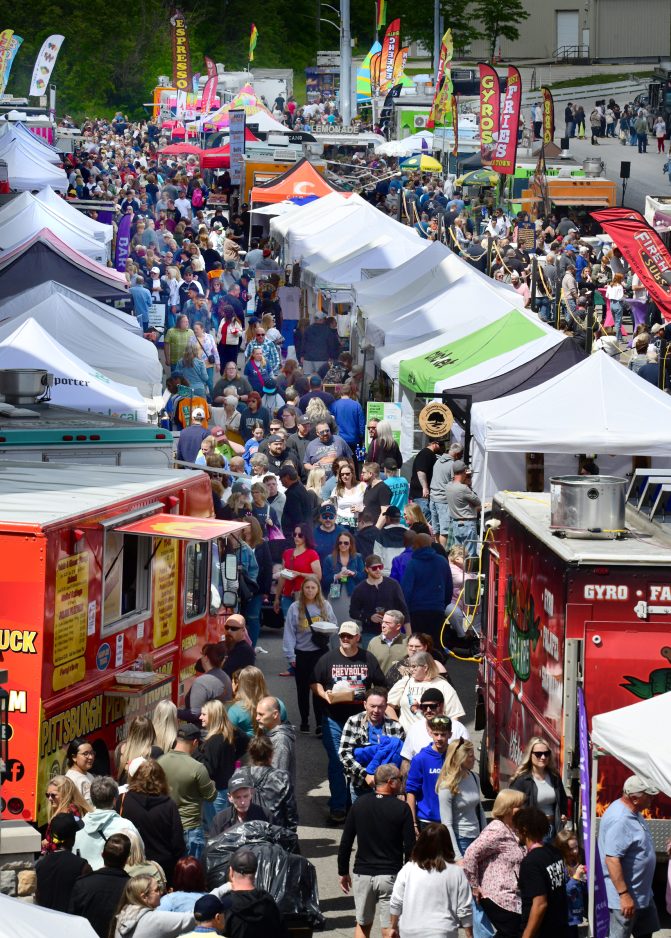
Hinebaugh isn’t alone. A growing number of food trucks is offering a panoply of options to local eaters.
For Yanira Justiniano and Rafael Pujols, launching a food truck was a way to realize their goal of bringing Puerto Rican seasoning to Uniontown.
A dining-table conversation sparked the idea of a truck. But wary of the risk of a big investment, they didn’t take the plunge for another two years, finally launching in 2023.
Their business, Puerto Rico on Wheels, has been melding the cuisines of Puerto Rico and Pennsylvania with dishes like the tripleta, a three-meat hoagie.
They’ve also added items as they’ve gone on. Initially, they had a hard time lining up plantains that are “the perfect green,” Pujols said. After lining up a supplier recently, they introduced the mofongo bowl, where the plantains are fried and mixed with garlic and butter, with a protein added in.
“A lot of people ask us for it,” Pujols said. “We were just a little scared, because nobody sells that here, so we weren’t sure how it was going to go. But it’s been working out for now.”
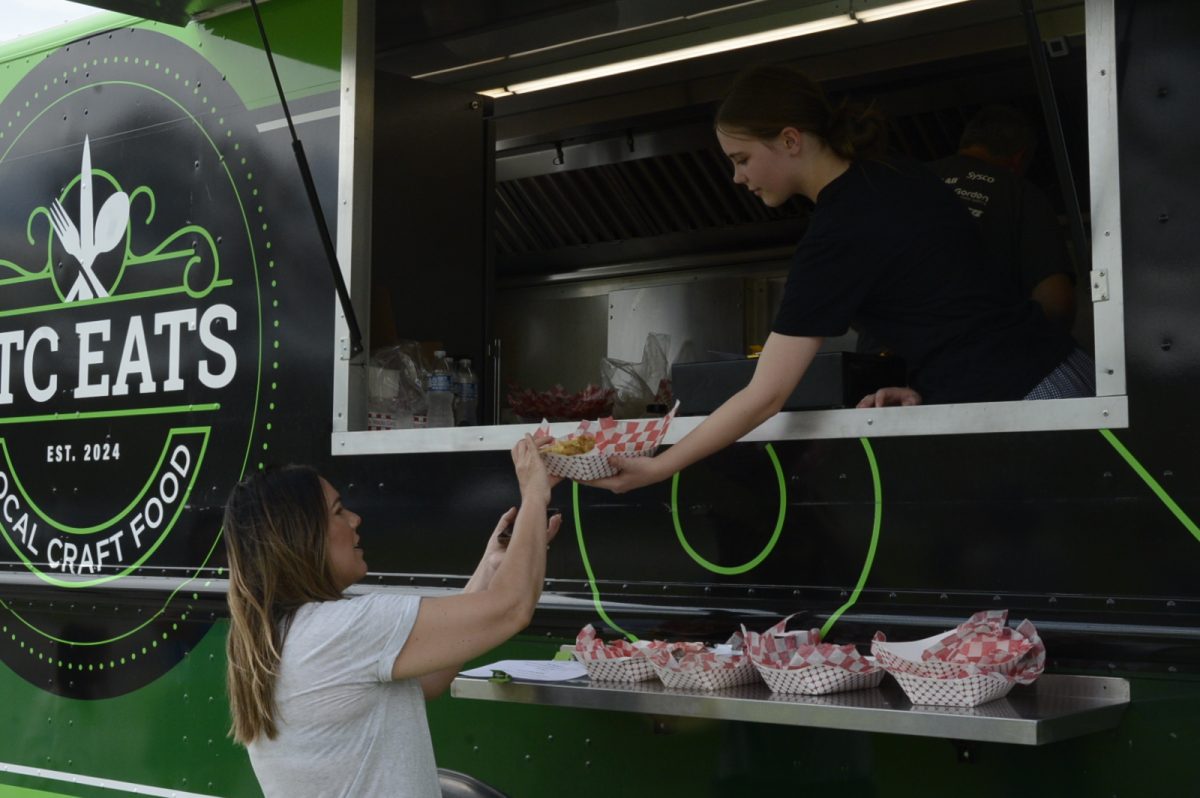
In addition to providing a tasty meal, the food trucks can also provide an education to the next generation of chefs. The Greene County Career & Technology Center is entering its third summer with the CTC Eats food truck, which it funded with a grant from the Community Foundation of Greene County and local sponsors.
The kids in the class at the time helped design the interior of the truck, said instructor Dan Wagner.
On a recent Thursday, students were busy mapping out the truck’s schedule for the summer. They’d had six requests for future dates already that day, Wagner said.
Students have learned how to communicate, along with picking up timing and how to navigate high-stress situations.
The first time Carmichaels student Landen Sanner worked a shift on the truck, he “had a whole panic attack.”
“I had to go outside, take a breather,” he said. “But I’ve kept working, and I’ve slowly gotten better. I have managed to even run the grill on my own, making burgers on a very busy day.”
Troy and Lori Hellen of Jefferson jumped into their own hectic schedule almost immediately. With their kids graduated and their own careers advanced enough that they could step away, they launched What’s Smokin BBQ in 2020.
Kicking off their business during COVID turned out to be a blessing of sorts, Troy said. With indoor restaurants closed, they cycled between festivals and a rotation of 10 to 12 neighborhoods in Pennsylvania and West Virginia.
“It kind of started our quest and our following … as restrictions eased, it got easier, because we were already out there and established,” he said.
The food truck vendors said most of their business tends to come from people approaching them.
To teach students about management, Wagner will also have them proactively reach out to fill open spots in the calendar. One such call got them a spot on Ron Lewis’ car dealership’s new Food Truck Mondays feature in Waynesburg.
“If you’ve got a gap in that dead day, then you’ve got to fill that,” he said. “You’ve got to look and be creative.”
What’s Smokin’ averages about three to four days in the truck per week. About 30% of their business comes from catering, which they began adding along with corporate jobs as restaurants began reopening.
The trucks have their core menus, but also make adjustments to experiment or react to audience desires.
Over the years, Troy noticed certain locations will “buy the heck out of ribs,” so he’ll advertise for pre-orders in advance.
Some dishes, like smoked green beans, do better in some spots than others. Others will sell anywhere, like his burgers or smoked spuds — baked potatoes loaded with pulled pork, barbecue sauce or macaroni and cheese.
“We moved that from an item where we didn’t have that all the time, to where now we carry it as a staple on the menu,” he said.
Coming out of the experience working for others, it took Hinebaugh a couple of months to get into the mindset that she could do “literally whatever I wanted.”
“Once I realized that, I started getting more creative with just creating different menu items based on things I thought would be appealing to people, or taste good — flavor combinations or different toppings that might go well with certain ice flavors,” she said.
To that lineup of sorbet flavors, she’s added custom treats like the Blue Snowdae — blue ice covered in marshmallow creme and topped with Sour Patch Kids. To expand into the colder months, she also added a lineup of hot items, such as waffles covered with peanut butter sauce with added Reese’s Pieces and chocolate syrup.
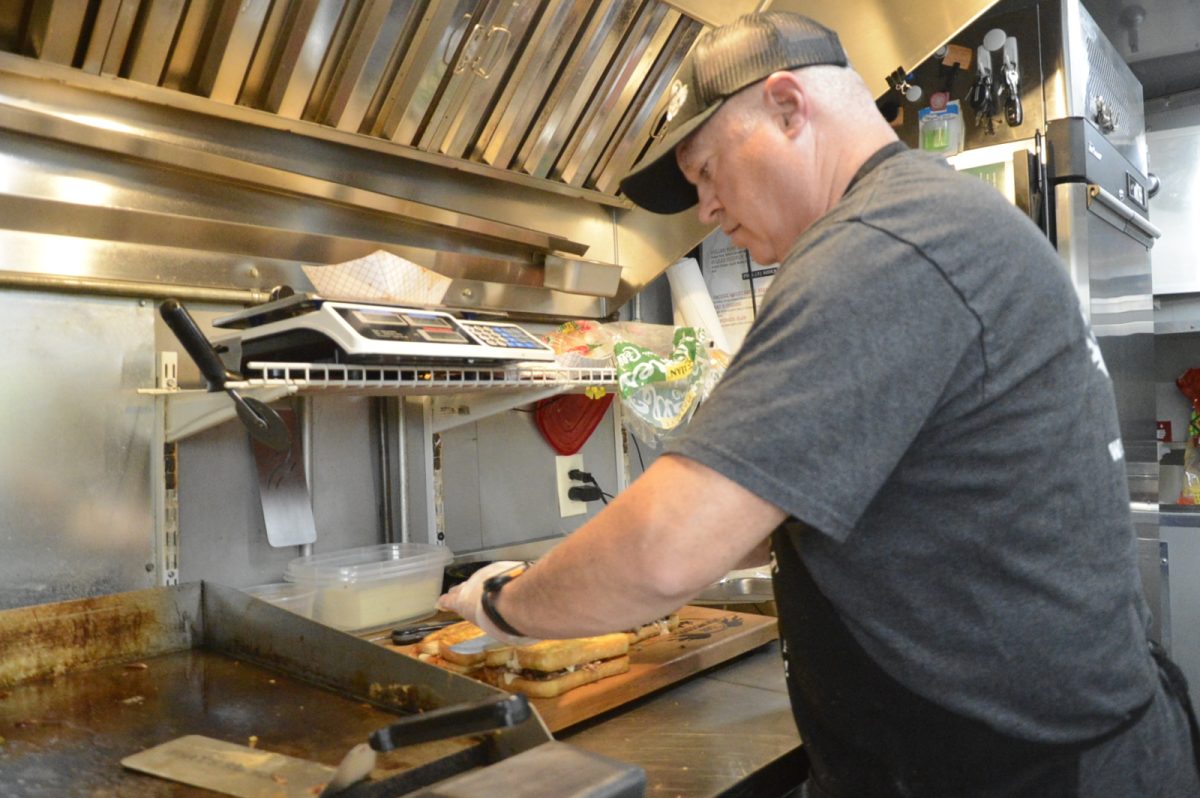
The CTC Eats truck allows for flexibility with the menu, Wagner said. At a school event with a lot of elementary school kids, they might throw chicken strips on the menu. For events with more adults, they’ll try something like a Bavarian sandwich with apple-smoked ham on a pretzel roll.
“I just threw it on one time, and everybody you talk to that’s in the 30s and up, they’re like, ‘Oh my God, that’s a great sandwich,'” Wagner said.
Working in a food truck during the hot summer months forces truck owners to look for ways to beat the heat. At the Puerto Rico on Wheels truck, they’ll open the trailer door, turn the fan on, or use cold neck wraps.
Working with 300-degree smokers, Troy Hellen will try to get as much meat as possible smoked early in the day. Even so, he said, they have to take care.
“We have to take multiple breaks and make sure we cool our bodies down and hydrate,” he said.
Operators also watch out for situations where the weather will pose a safety risk.
Hinebaugh has had to skip events or leave early because of severe windstorms. There’s less chance of sales, for one. And it also carries more risk of the truck being blown over on the drive back, she said, comparing it to a semi overturning.
“That’s a possibility for a food trailer as well, and much easier, because they weigh a lot less than those big 18-wheelers,” she said.
Wagner said he’s only canceled once, due to high temperatures and humidity. But on warmer days, he’ll send kids to the back of the line to have them tell anyone who might come up from behind that the truck is taking a break.
Food truck operators also stay mindful of costs. When gas prices were at a peak a couple of years ago, Troy Hellen said, he would pick events closer to home. He’s been able to purchase a generator that uses less gas.
Operating Puerto Rico on Wheels has introduced Justiniano and Pujols to Puerto Ricans living in the area who they’d never known about. And they also love the feedback they get from customers, whether it’s a good Facebook review, an in-person thank-you or the sight of a satisfied customer.
“Just the faces when they try the food,” Justiniano said. “We love to see that.”
Coming from a carnival family, vending was already in Hinebaugh’s system. She likes being able to turn a bad day around, or add to the fun of someone’s birthday.
She also loves knowing that she won’t ever have to do a quick reset again, unless it’s on her terms.
“If I want to quit and do something else, I can, but I don’t necessarily ever have to,” she said. “That feels really nice.”