

Stay safe outdoors this summer with these tips
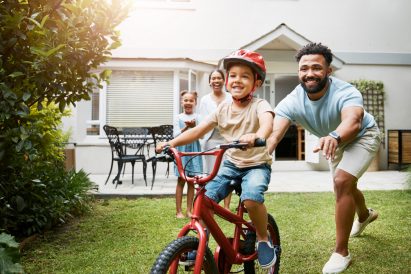
Summer means longer days, warmer weather, and more time spent outdoors, but the season also brings a unique set of safety risks that are worth keeping in mind.
From backyard barbecues and fireworks celebrations to afternoons at the pool and evening bike rides, the activities that we love most this time of year can quickly become dangerous. The good news is that most summer injuries and accidents are preventable. With the right knowledge and a little preparation, you can make this summer both memorable and safe.
Bike safety
Whether you are an experienced cyclist or an occasional rider, bike safety starts before you ever leave the driveway. Helmets are the most important piece of protective gear a cyclist can wear. Properly fitted, they significantly reduce the risk of serious brain and head injuries in the event of an accident.
Cyclists should also wear bright or reflective clothing and use bike lights to stay visible to drivers, especially in low-light conditions. Elbow and knee pads offer added protection against scrapes and impact injuries, and following the rules of the road keeps both cyclists and drivers safer.
Water safety
“Drowning is one of the leading causes of death for children ages 1 to 14, which makes water safety a top priority for parents, caregivers and anyone supervising kids around pools, lakes or other bodies of water,” said Philip S. Vuocolo, MD, MHA, FACS, a board-certified acute care and trauma surgeon at Penn Highlands DuBois who also serves as the Trauma Program Medical Director for Penn Highlands DuBois, and Chief Medical Officer for Penn Highlands Northwest Region.
Constant, undistracted supervision is the single most effective way to prevent an accident. Children should always be within sight and reach when near water. Properly fitted, Coast Guard-approved life jackets are also important, particularly in open water or for children who are still developing swimming skills.
Pedestrian safety
A few simple habits can go a long way, helping you stay safe while walking. Whenever possible, cross at protected crosswalks and stick to sidewalks rather than walking along the road. Make yourself visible by wearing bright or reflective clothing, particularly at dawn, dusk or after dark. Staying alert by removing your earbuds so you can hear approaching traffic, cyclists or other hazards, and never walk in public while under the influence of alcohol or drugs, as both impair your awareness and reaction time.
Grilling safety
On average, grilling sparks more than 10,000 home fires annually, most of which are preventable with a few simple precautions. First and foremost, never leave a lit grill unattended, and always keep children and pets at a safe distance. Always grill outdoors in an open area well away from the house, deck, overhanging tree branches or anything else that could catch fire, and never use a grill inside a house, camper, tent or any enclosed space, where carbon monoxide can build up to deadly levels.
If you are using a charcoal grill, resist the temptation to add starter fluid to already-lit coals, as this can cause dangerous flare-ups, and use long-handled grilling tools to keep a safe distance from the heat.
Fireworks safety
The safest way to enjoy fireworks is to leave them to the professionals. If you do choose to light fireworks at home, preparation and caution are key to keeping your celebration safe.
“Set up your display in an open location well away from buildings, trees, and dry vegetation,” said Vuocolo. “Keep a bucket of water or a fire extinguisher within reach, and make sure the person lighting fireworks is wearing eye protection.”
Light only one firework at a time, and never attempt to relight a dud. Leave it alone, wait, and then soak it in water. Keep spectators, children and pets away from the launch area, and never hand fireworks to small children or point them toward people, animals, vehicles or any structure. Finally, store unused fireworks in a cool, dry place out of reach of children and pets.