

Physical therapy can help people avoid surgery
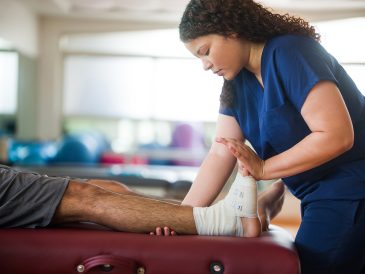
Individuals who are dealing with injuries or chronic pain may seek relief in various ways. Surgery may seem like an inevitable outcome, but advances in medicine have led to more conservative solutions. Physical therapy is a powerful, non-invasive first-line treatment that is increasingly being recommended by health care professionals as a means to address a wide range of conditions.
According to the Cleveland Clinic, physical therapy is a health care specialty that helps restore movement, manage pain and improve physical function. Physical therapists undergo many years of schooling, during which they learn to employ targeted exercises, hands-on care, and patient education to help people heal after surgery, recover from injuries, or manage chronic health conditions.
By targeting structural mechanics, restoring tissue mobility, and addressing underlying movement dysfunctions, physical therapy frequently can resolve complex medical conditions without the risks, costs, and down time associated with surgery. Here are some of the conditions PT can address.
• Herniated or bulging discs: Targeted exercises, such as mechanical traction and spinal extension maneuvers, can help centralize disc material away from compressed nerves, says the Jacksonville Orthopaedic Institute.
• Spinal stenosis: Strengthening of core and pelvic stability muscles can reduce loading on the spinal canal. Manual therapy will help restore joint mechanics to alleviate pain and other symptoms.
• Degenerative disc disease: Physical therapists can help strengthen deep postural stabilizer muscles to create internal support. This can help relieve mechanical stress on intervertebral discs that have worn out.
• Soft tissue injuries: Overuse injuries and tendon degradation can lead to pain that mimics conditions that require surgical repair. These may include achilles tendinopathy, plantar fasciitis, and carpal tunnel syndrome. PT may be an initial treatment option for these conditions.
• Pelvic floor dysfunction: The National Center for Biotechnology Information says pelvic floor dysfunction involves the abnormal activity or function of the pelvic floor musculature. Pelvic floor dysfunction can affect bladder and bowel function and cause pain in the abdomen, including during intercourse. Physical therapy uses biofeedback, internal and external manual techniques, and targeted neuromuscular retraining to strengthen the pelvic basket.
• Joint osteoarthritis: The Cleveland Clinic says osteoarthritis is the most common form of arthritis. It happens when the cartilage that cushions the ends of bones in a joint wears down over time. PT can address osteoarthritis in knees, hips, shoulders, and other joints.
Physical therapy can be a powerful tool when patients consistently and actively participate in the treatment. For many, a tailored physical therapy plan provides a path to complete recovery.