

Stroke treatment: Telestroke partnership saves lives
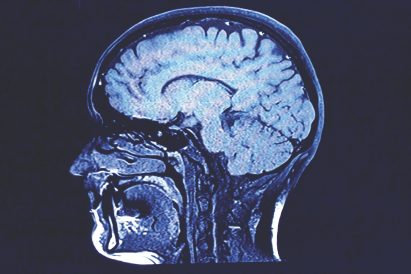 MetroCreative
When it comes to treating a possible stroke, time is of the essence.
Dr. Tom Pirosko is the medical director at the Washington Hospital Emergency Department, and his team is the first line of treatment at the most critical moment for stroke patients entering the hospital.
“They say time is heart with a heart attack,” Pirosko said. “The same thing is true with a stroke: Time is brain. The more time that you don’t treat it, the more damage can be done.”
Having a team in place to quickly assess a stroke patient’s situation is crucial, especially when it comes to a decision on whether to administer clot-busting medicine.
“Our goal was 60 minutes and, so far in this calendar year, we’re averaging 45 minutes from our door to clot-busting medication. That’s a huge testament to Washington Hospital and its partnership with UPMC stroke on how we are right now exceeding expectations on our stroke care,” Pirosko said.
That coordination is called the Telestroke Partnership. It began nearly a decade ago when Washington Hospital wanted to bring more expertise to patients without moving them.
“It’s probably been close to a decade that we’ve had that UPMC stroke relationship doing this via telemedicine, and it just shows what a great partnership that Washington and UPMC already have to help treat the patients of the community and to bring that expertise and care to Washington Hospital,” Pirosko said.
Keeping patients close to home
One key benefit of this approach is being able to keep WHS patients close to home and loved ones.
“If we can take care of our patients at home here in Washington so that their families can visit them, friends can come see how they’re doing and still have that expertise … that’s the best of both worlds,” said Pirosko. “Now there are certain cases where we don’t have a certain piece of equipment or a certain doctor that does that interventional neurology, so that patient needs to be transferred. But over the years, we have learned to keep more and more patients in our community at our hospital to take care of them.”
That not only saves on medical costs for the patient and the hospital, but it also means an ambulance or medical helicopter is not in use, freeing up those resources for other patients in the community.
“The telestroke evaluation and relationship that the UPMC Stroke Institute has with WHS helps empower the team at Washington to feel comfortable managing patients locally and avoid unnecessary transfers,” said Dr. Matthew Starr, Assistant Professor of Neurology and Director of Telestroke for the UPMC Stroke Institute. “The telestroke team is always available to discuss stroke cases and give guidance on patients who have already been admitted to review any subsequent imaging with staff if necessary.”
Doctors at both facilities connect via video monitor and are able to share CT (computed tomography) scan images to see inside a stroke patient’s brain. That helps the team decide whether to administer clot-busting medicines or if another type of procedure is needed.
On UPMC’s end, the telestroke service is staffed by a vascular neurologist with triage assistance from vascular neurology fellows. “The consult is often requested as the patient is going into the CT scanner,” says Starr. “While at CT, the patient’s local provider and the stroke fellow discuss the case and if the patient has any contraindications to receive the clot-buster medication. I feel like the program is going very well with WHS, and we almost doubled our telestroke video evaluations from 2022 to 2023 at that site.”
WHS has two different treatment paths for stroke patients.
“If paramedics are called to a scene and they recognize a potential stroke, we call a stroke alert before that patient even gets to the hospital,” Pirosko said. “That gets the stroke team ready. The patient goes right up to the CT scanner, bloodwork is drawn and usually an EKG is done.”
The second scenario is if someone goes to the emergency room on their own. In that case, a triage nurse looks for the same signs and symptoms of stroke.
“There’s constant conversation between the doctors at Washington in the emergency department and the stroke physicians at UPMC,” said Pirosko. “It’s been a really great relationship that we’ve had with them providing great care to our patients in Washington.”