

Prostate cancer screening: What the numbers mean, when to start
What the numbers mean, when to start
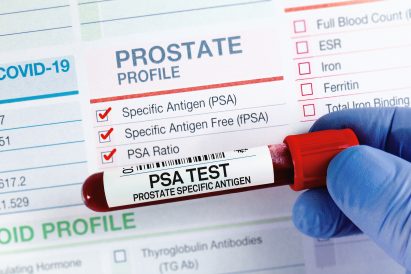
September is Prostate Cancer Awareness Month, highlighting the importance of understanding prostate cancer screenings, including what a prostate-specific antigen (PSA) number actually means, when testing should begin and why recommendations can differ from one man to another.
The first and most important step in beating prostate cancer is catching it early. When detected before spreading outside the prostate, the five-year survival rate is greater than 99%.
Understanding the PSA test
For years, men over 50 received routine PSA blood tests to measure a protein produced by the prostate. While a higher-than-normal PSA level can be a sign of prostate cancer, it does not necessarily mean a man has cancer. Non-cancerous conditions — such as an enlarged prostate, inflammation, infection or even intense exercise — can cause levels to rise. Slow-growing cancers also can produce elevated PSA levels without posing an immediate threat.
Previously, an elevated result often led directly to a biopsy, where tissue samples are removed for testing. Today, diagnostic approaches are more sophisticated, and providers now use advanced tools, including prostate cancer molecular tests and imaging, to evaluate risk more precisely. These insights can help determine who may need a biopsy and who may be a candidate for active surveillance and periodic retesting.
“PSA is an important tool for detecting prostate cancer, but it is not a cancer diagnosis by itself,” Purvi Shah Parekh, DO, DipABLM, a board-certified internal medicine specialist at Penn Highlands Healthcare. “We look at the PSA level along with a man’s age, medical history, family history and advanced molecular testing to determine whether additional intervention is truly needed.”
What does the number mean?
There is no single PSA number that definitively determines whether a man has prostate cancer. PSA levels also tend to increase with age, so providers consider a man’s age and other individual risk factors when evaluating a result.
If a PSA test comes back elevated, a provider may recommend repeating the test or conducting additional blood, urine or imaging tests. Depending on those results, a biopsy or continued monitoring may be recommended.
When should screening begin?
There is no one-size-fits-all starting age for prostate cancer screenings, and recommendations vary based on individual risk profiles.
Men with average risk should discuss screening options with their physician starting at age 50. Men at higher risk need to begin these conversations earlier — sometimes as soon as age 40. Risk factors include advanced age, a family history of prostate cancer and genetic markers such as BRCA2 mutations. Additionally, Black men and Caribbean men of African ancestry face a higher risk compared to other groups.
Because prostate cancer often has no symptoms in its early stages, men should not wait for symptoms before discussing their risk.
“Screening is ultimately a conversation between a patient and their healthcare provider,” Dr. Parekh. “Every patient’s risk profile is unique. We walk through the benefits, personalized risk factors and follow-up options so individuals can make confident decisions tailored to their health goals.”
Penn Highlands Healthcare provides comprehensive urologic care, including advanced prostate cancer screenings, molecular diagnostics and individualized treatment planning.
To learn more about urological care and prostate health, visit www.phhealthcare.org/urology.