

‘The Fascia Connection’: Offering pain sufferers hope for relief
Offering pain sufferers hope for relief
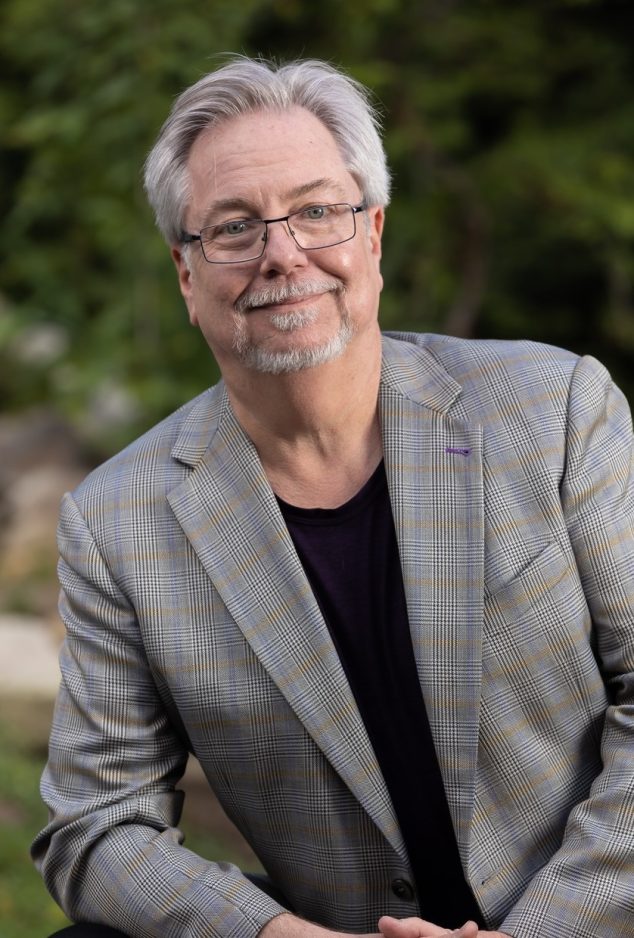
David Lesondak wants to change the world, and you could be one of the people whose world he changes. It’s all about your fascia.
Fascia is something few people know about and doctors seldom discuss. It is found throughout your body, encases every muscle, organ and nerve. It is one continuous sheath, connecting every part of your body to every other part. It has a role in many body systems, systems that keep your body functioning so efficiently, you don’t even notice it.
Until it is disrupted. And then you notice. It might be lower back pain that just won’t go away. It might be pain in your feet that makes walking difficult. But the common thread is that you can’t walk or move without pain or stiffness or feeling stuck, and doctors may tell you there is nothing wrong.
“There is a quiet revolution happening within the medical and rehab community about the importance of fascia,” Lesondak says. “It means there’s hope for people with pain, or other physical issues that don’t show on conventional tests, to get effective treatment that doesn’t involve drugs or surgery.”
Fascia has become the latest buzz word on social media, and with so much misinformation currently circulating, it’s important to listen to someone who knows what he is talking about, backed by science and research-based information.
Lesondak is a Senior Structural Integrator and Fascia Specialist at UPMC’s Center for Integrative Medicine in Pittsburgh, where he helps people with seemingly intractable conditions every day. One common complaint, other than pain, is just feeling stuck.
“If you don’t use your body appropriately, if you sit too much, if you’ve had an accident, an injury or a surgery that you haven’t fully recovered from, it can affect fascia’s ability to support you,” Lesondak says. “So people can ask themselves: ‘Do I feel stuck?'”
While “stuck” is not a medical term, many patients use it in describing their condition.
“Stuck does not show up on most traditional films. That’s usually when a fascia intervention is required,” he says.
A “fascia intervention” is a hands-on manipulative therapy that is individual to every patient. One important proviso – it shouldn’t hurt. It doesn’t have to hurt to help.
“From the moment I limped into his office,” said patient Nicole M. Fedeli. “David listened carefully to my struggles with the debilitating pain of plantar fasciitis and implemented a treatment plan that restored my mobility and had me back on the tennis court within two months.”
Before he became a fascia specialist, Lesondak was a manual therapist, using a variety of techniques.
“Then I discovered this fascia-informed process called structural integration,” he says. “And I felt like I had to learn as much about it as I possibly could and tell the world about it. It was incredibly exciting. It was like a firework in my brain.”
His new expertise translated into successes for hundreds of his patients.
“For people in chronic pain, for people who have recovered from injuries and surgeries but feel like their body could be better than it is, but no one seems to have the right answer. But there is hope. That same tissue that was holding you back is going to hold you up.”
Lesondak admits many of his patients come to him as a last resort. “I’m used to it. I hope in my lifetime fascia therapy will be a first resort. I firmly believe that practitioners like me should be part of frontline pain management care.”
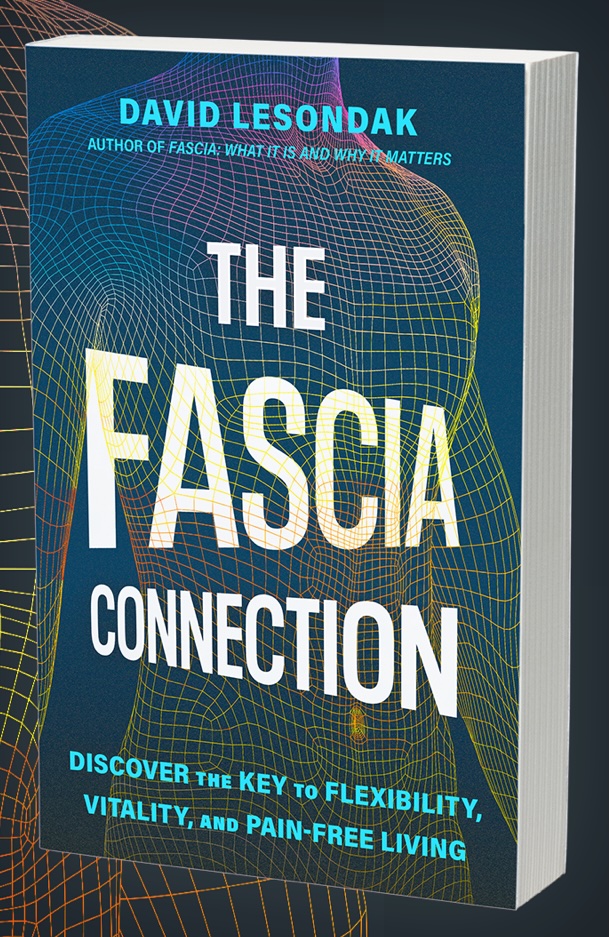
Lesondak is recognized internationally, giving seminars all over the world and writing books on fascia for experts and lay people alike. His latest, “The Fascia Connection,” is aimed at people who know little or nothing about fascia. It explains fascia in everyday terms with humor and relevant stories.
“One of the big reasons why I wanted to write this book is to give good, relatable information to the public and well-meaning practitioners out there who may be less than fully informed.”
He wants you to know how fascia affects your health. Unlike so many posts on social media, he says, “I’m not selling anything in this book other than good information. I’m not selling a product. I’m not selling a brand. I’m not selling a methodology. I’m just giving you a different way of looking at and understanding your body, which is something we all need, and trying to point out what is speculative and what is probably flat-out wrong.”
There is one thing he is pushing: hope.
“I ask people who come to see me, if you could have one thing different when you walk out of here today, what do you want that to be? The answer I hear the most is hope. So one thing I would want everyone to know is that there may be hope for them.”