

How to tell bees, hornets and wasps apart
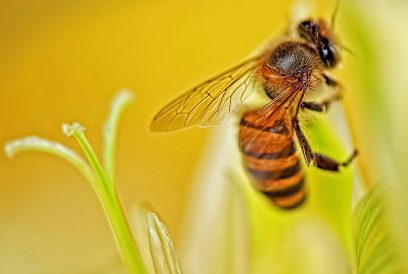
People who spend any measurable amount of time outdoors likely have crossed paths with various flying insects that cohabitate in a typical yard. Some of the most ardent pollinators and pest control agents also have the potential to be dangerous if provoked. While most bees, wasps and hornets are content to go about their business, their stingers can make these insects formidable foes, particularly to those who are allergic.
According to The Best Bees Company, there are more than 20,000 known species of bees and more than 100,000 known species of wasps worldwide. Those who don’t want to get too up close and personal with stinging insects may not know how to tell the different types apart. Bees, wasps and hornets are distinguished by their behavior, waist and body texture.
Bees
If it has a fuzzy body, it’s a bee. Bees tend to be non-aggressive and may be carrying pollen on their backs. They also live in wax hives. You’ll likely see bees flitting from one flower to another in the warmer weather. Honeybees will die after one sting, advises PBS, but bumblebees and carpenter bees have smooth stingers that will not get stuck, enabling them to sting again.
Wasps
Wasps are stinging insects which can be social or solitary. Wasps have smooth, shiny bodies and narrow waists. They can be bright black and yellow or black and white. Wasps can sting repeatedly, says The Spruce, but they may not always be aggressive; it depends on the species. Yellowjackets are a type of wasp. They are sensitive to threats and not afraid to use their stingers. Another way to distinguish wasps from bees is that wasps hang their legs down while flying and bees keep them tucked in.
Hornets
Hornets are wasps and tend to be social in nature. They only construct paper nests and can be more aggressive than other types of wasps. The Old Farmer’s Almanac says hornets can be highly defensive with more painful stings, and also may be larger and rounder in size than other wasps. In the United States, the one true hornet species is the European hornet, which nest in trees.
It’s impossible to avoid bees and wasps entirely, but individuals can be mindful of where they are making their nests.
As these insects are important to the ecosystem, it’s key not to exterminate them haphazardly. If a nest is problematic, it’s best to have a professional come and relocate or remove it safely.