

The forgotten history of Westsylvania
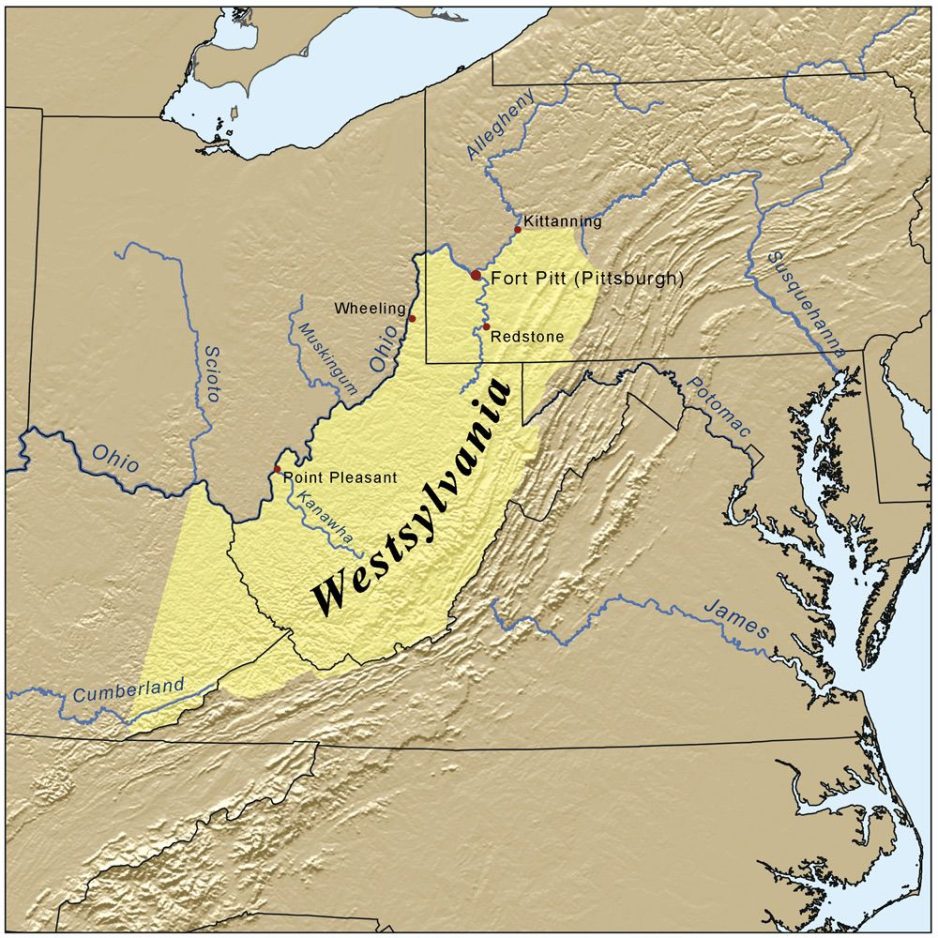
A map of the proposed state of Westsylvania
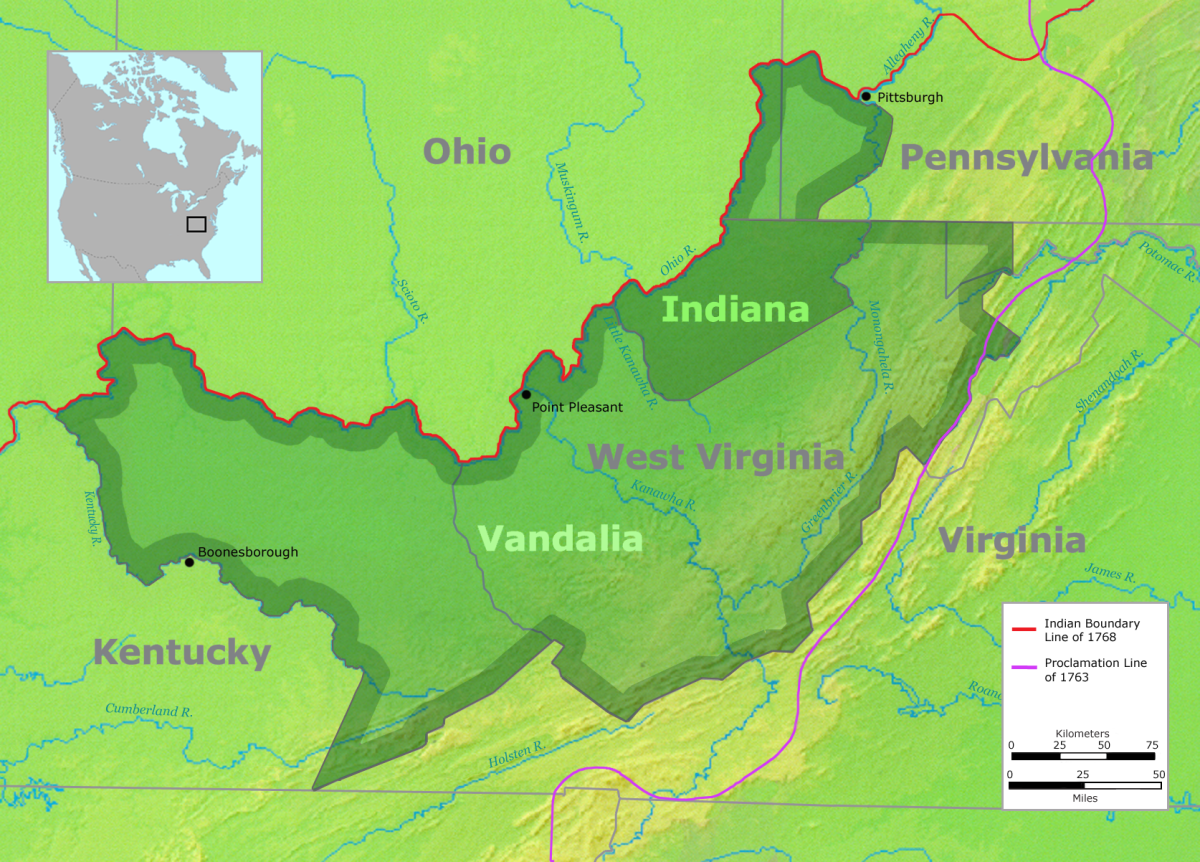
A map of the proposed Westsylvania
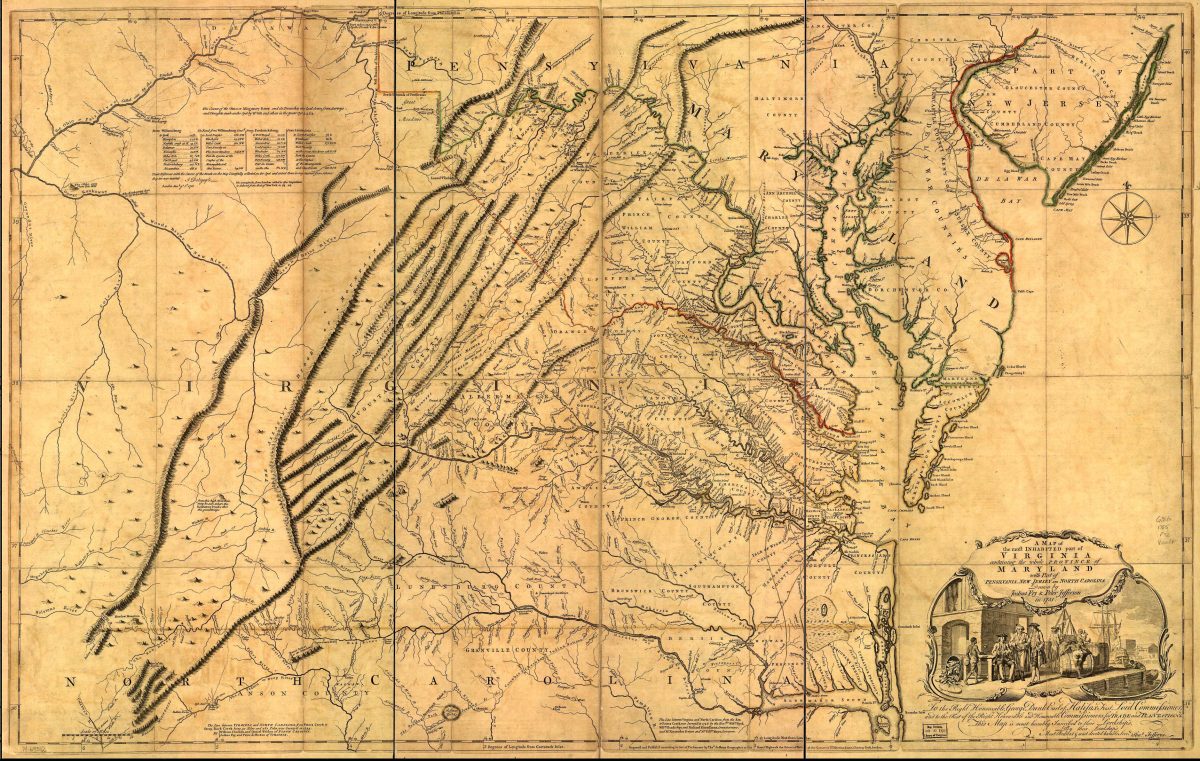
This map is of the most inhabited part of Virginia containing the whole province of Maryland with part of Pennsylvania, New Jersey and North Carolina. This landmark map, unusual in that it relied on firsthand surveys, is the first correct depiction of the Allegheny Mountains, complete with “The Great Road from the Yadkin River through Virginia to Philadelphia distant 455 Miles” – an accurate survey of what would come to be styled the Great Philadelphia Wagon Road.
David Ferguson and the other members of Dad Band – a jazz group he formed with some other guys whose kids went to the same daycare – held the first Westsylvania Jazz and Blues Festival in 2015.
The history behind the name they chose for the yearly festival, held every year in Indiana, Pa., stretches back to much earlier in the region’s history, harkening at efforts in the 18th century to create the 14th colony, and later a distinct U.S. state, in what at the time was the western frontier for European settlers.
“We wanted it to have a local flavor, and we came across this notion of Westsylvania,” said Ferguson, an administrator at Indiana University of Pennsylvania who previously taught trumpet as a faculty member. “It really describes and lays out not just a geographic region, but a cultural region as well, that really would have differentiated itself as a state from the other side of the mountains.”
The celebration of musical heritage is one place where some DNA from the efforts to create a separate political entity – which would have included Washington County and the rest of southwestern Pennsylvania – is still evident.
Jokes that turn on the contrasts between the eastern and western parts of Pennsylvania are cliches that still garner appreciation from residents of both.
Empirically dubious surveys about whether Pittsburgh is part of the Rust Belt, Midwest or Northeast make for pungent social-media chum.
But those things are perhaps rooted in a kernel of truth that once attracted the attention of some well-placed operatives.
“We tend to see the fault lines in American history along a north and south axis,” said W. Thomas Mainwaring, professor of history at Washington & Jefferson College.
But, he added, the real tension in the late colonies and early United States were along east and west. The people on what was then the edge of European settlement were ill-served by the state and federal governments.
In Pennsylvania, the pacifistic Quakers dominated politics. That left the rough-and-tumble Scotch Irish, Ulster Protestants who settled in places formerly occupied by Native Americans, to face raids from tribes on their own.
In the wake of the 1763 treaty ending the French and Indian War, a coalition of business and political leaders – including the Whartons, a wealthy family of Philadelphia Quakers, and Sir William Franklin, the governor of New Jersey and out-of-wedlock son of Benjamin Franklin – saw opportunity in the land that tribes had conceded.
The area they proposed turning into the new colony included Southwestern Pennsylvania. Proponents initially wanted to call the new colony Pittsylvania, in honor of William Pitt, but then revised it to Vandalia because Queen Charlotte, wife of George III, claimed to be descended from the Vandals, a Germanic tribe.
“They figured that perhaps they could stop the border war between Pennsylvania and Virginia,” said Walter Seal, a historian and collector who lives in Carroll Township whose ancestors, the Parkinson family, figured prominently in the area that became Monongahela during the late 18th century.
Despite support from the elder Franklin in London, those efforts never came to fruition before the Revolutionary War began. Following independence, many of the westerners of Virginia and Pennsylvania -which at the time were in a bitter dispute over where their respective borders ended – sought to create their own state made of southwestern Pennsylvania and the western strip of Maryland, plus parts of what are now West Virginia and Kentucky, both of which were part of Virginia at the time.
That plan never got enough traction to work, either, but the notion survived into the early 1790s when farmers in the west balked at a new tax on the whiskey they often used instead of cash. Egged on by Alexander Hamilton, a founding father of the financialized economy, the budding federal government intended to use the revenue to pay off debt from the war with the British Empire.
There was fighting between rebels and federal troops near Pittsburgh, but Mainwaring said the Whiskey Rebellion itself wasn’t just localized there.
“I think people in this area tend to think of the Whiskey Rebellion as being concentrated in Western Pennsylvania,” he said. “That’s where the confrontation occurred over the tax, but the failure to pay the tax or the protest against the tax extended all along the trans-Appalachian frontier.”
That misadventure showed the federal government had little trouble crushing that kind of secessionist impulse, but the romance of a separate Appalachian state has proved more durable. Ferguson said the historical memory of subversion was part of a reason he and his colleagues named a jazz festival for it.
“That was just something that appealed to our personal nature,” he said.