

API study shows energy investment impact on public pension funds
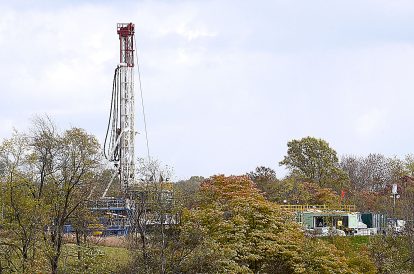
An oil and gas industry trade group said Thursday a proposed severance tax on Pennsylvania’s unconventional shale wells could cause 113 fewer horizontal gas wells drilled next year, as well as the loss of 6,000 jobs in the natural gas industry and its supply chain.
During a telephone news conference conducted by Stephanie Catarino Wissman, executive director of American Petroleum Institute’s Pennsylvania chapter, also noted other economic benefits of Pennsylvania’s natural gas boom in addition to good-paying jobs. She took aim at Gov. Tom Wolf’s proposed 5 percent severance tax on unconventional or deep shale wells in the state. Wolf, who pledged to use the proceeds to fund $1 billion for education in Pennsylvania, also proposed 4.7 cents per thousand cubic feet of gas extracted from the Marcellus Shale formation.
While enactment of a severance tax would end Pennsylvania’s current impact fee, which goes to municipalities directly affected by drilling activities, Wolf is proposing using a portion of the severance to provide $225 million per year to areas impacted by drilling, the amount currently distributed to impacted areas.
According to API, the severance tax would have a negative impact on continued development of oil and gas drilling in the state. It projects that by 2025, the severance tax would bring a loss of $11.5 billion in investments by gas companies in Pennsylvania, creating a cumulative loss of more than $20 billion in value added or gross domestic product to the commonwealth.
Jeffrey Brand, API’s senior economic adviser who participated in Thursday call, said the projections were based on how companies in Pennsylvania have historically reacted to increased taxes.
Wissman noted the severance tax proposal, which is part of Wolf’s budget package for fiscal year 2015-16, comes at a time when “the pricing environment is very, very low for natural gas.”
While production of natural gas in Pennsylvania is at an all-time high, API is already seeing cutbacks by producers, she added.
Noting the industry already provided $2.1 billion in taxes and another $630 million in impact fees over the past three years, Wissman cited a study released last month by API that shows how Pennsylvania’s two largest public pension plans have benefitted from oil and gas investments over the past eight years.
Brand said Pennsylvania’s results are compared with public employees’ pension funds in 17 other states.
According to the study, the two plans – the Pennsylvania Public School Employees’ Retirement System and the Pennsylvania State Employees’ Retirement System – had total assets averaging $81.2 billion and a combined average of 714,580 members, including current retirees, current employes and former or inactive employees.
The two plans held oil and natural gas sector investments averaging more than $2.1 billion, or 2.6 percent of their total assets.
According to Wissman, in 2013, each dollar invested in industry holdings brought a return of $2.28, while $1 in all other investment yielded $1.79.
Last month, the Pennsylvania State Association of Township Supervisors said it was joining counties that oppose Wolf’s proposal to replace a variable fee on Marcellus Shale natural gas wells with a flat annual payment to local governments in drilling area, stating that the plan doesn’t let the fee grow as drilling grows.
Wolf’s plan, which also establishes a floor of $2.97/per thousands cubic feet on which to base the levy, is designed to ensure that local governments don’t get less, should the price or drilling activity drop.
It was noted during Thursday’s conference, however, Pennsylvania’s natural gas producers recently received around $1.50/mcf, making the artificial floor price nearly twice the current actual price.
Wissman said the industry feels it’s being unfairly singled out for a tax she said isn’t levied on any other industry.
“The oil and gas industry has always been subject to these types of considerations over the years, and it will probably always be that way,” she said.
The state Legislature will need to adopt a new budget for the next fiscal year by June 30. Wissman noted lawmakers have often missed the deadline.