

Grandparents caring for grandchildren as parents battle addiction
At a time when they thought they would be spending their retirement traveling or pursuing hobbies, a growing number of grandparents find themselves instead raising grandchildren, a consequence of the opioid epidemic.
Across America, about 2.7 million grandparents have been thrown into the role of day-to-day caregiver – changing diapers, making lunches, carpooling and attending PTA meetings – because their adult children are struggling with opioid addiction.
In Pennsylvania, one of the states hardest hit by the opioid epidemic, nearly 89,000 grandparents are raising their grandchildren.
Locally, both Washington and Greene County Children and Youth Services agencies reported an increase in 2017 in the number of children taken from parents battling drug addiction, primarily opioids.
Ninety percent of all cases, investigations or ongoing services provided by Greene County CYS caseworkers involve family drug use, according to Stacey Courtwright, acting director of Greene County CYS.
“Sadly, it is becoming the new norm,” said Courtwright in an email. “It is surprising to have a case without some type of drug use.”
A majority of children in Washington and Greene counties who are removed from their homes because of their parents’ abuse of drugs wind up with grandparents and relatives. In Washington County, 80 percent of children taken from their homes last year went to live with relatives.
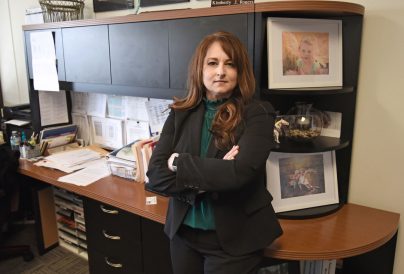
But it is not easy. The everyday costs and emotional challenges grandparents face can be overwhelming, said Kimberly Rogers, administrator for Washington County CYS.
Compounding the stress is the worry grandparents have for their own children who are battling addiction or who have died from an overdose.
According to Generations United, a Washington, D.C., advocacy group focused on supporting intergenerational families, more than one-fifth of the grandparents caring for grandchildren are living in poverty. An additional 39 percent are over the age of 60, and 26 percent have a disability. So, they find themselves dipping into retirement savings, going back to work or staying in the workforce longer than they planned to pay for the costs of raising children, along with unexpected expenses such as court costs and legal fees.
Rogers said grandparents can become licensed as foster parents or apply through the Department of Public Welfare to receive financial support. CYS caseworkers, kinship and foster parent support agencies also can help grandparents and relatives connect with other social services, including day-care help, counseling and therapy to help the children adjust and cope with the trauma of being taken away from their parents.
Meanwhile, other efforts are underway to make it easier for grandparents to find support services.
Last month, the U.S. Senate Health, Education, Labor, and Pensions (HELP) Committees unanimously passed the Supporting Grandparents Raising Grandchildren Act, which would create a federal task force to serve as a one-stop shop of resources for grandparents raising grandchildren. Among the issues the act would help seniors address are navigating the school system, planning for their families’ future, addressing mental health issues for themselves and their grandchildren, and building social and support networks.
Colin Day, press secretary for the Pennsylvania Department of Human Services, said his department is working with Grandparents Raising Grandchildren to introduce a package of bills to assist grandparents seeking help.
The AARP has published a list of resources for seniors, community and online support groups such as Grandparent 2 Grandparent, connecting grandparents and providing opportunities to share stories and advice.
One of the hardest adjustments, though, is the change in lifestyle grandparents experience when they take on the responsibility of caring for their grandchildren.
Said Joyce Ellis, executive director of LeMoyne Community Center in Washington, which provides after-school programs and activities for children – including some who are being raised by their grandparents – “It’s both a blessing and a curse for grandparents. The blessing is the kids will not fall through the cracks and will remain a part of a family unit,” she said. “The curse is that they become the parent and not the grandparent, and they no longer have the traditional role of doting on their grandchildren without handling primary responsibilities.”
Rogers agreed.
Research has shown that kids fare better in the care of grandparents and other relatives than in foster care, and Rogers acknowledged the selfless efforts of grandparents.
“Many of them never planned for this,” said Rogers. “We recognize the challenges, and we believe their grandchildren need family. They need to be with loved ones, more than strangers.”