

What’s in a name: Many Washington streets designated for city’s greatest residents
Courtesy of National Duncan Glass Society
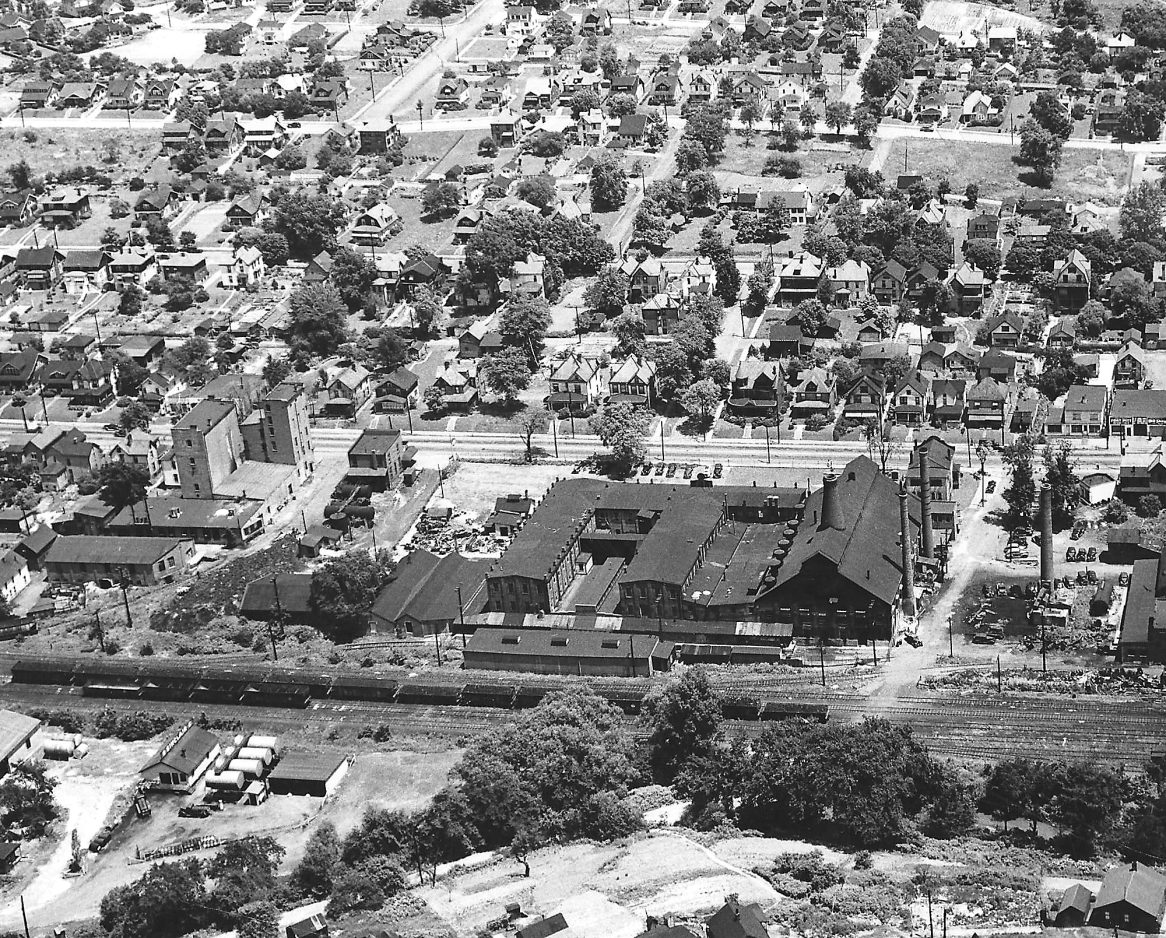
An aerial view of Duncan & Miller Glass Co. on Jefferson Avenue in Washington
Courtesy of Washington County Historical Society
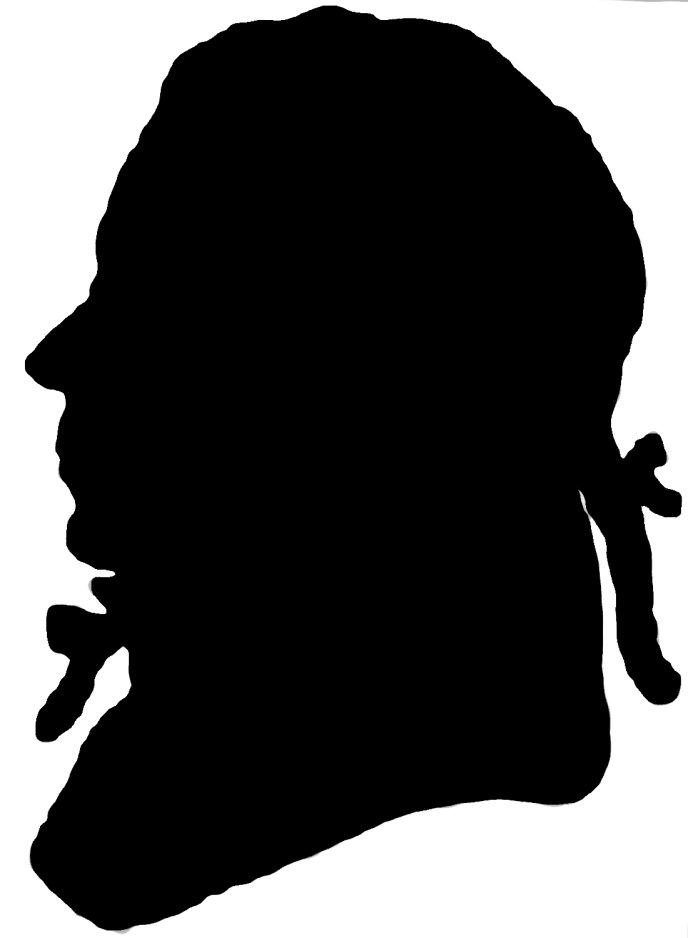
The profile of Absalom Baird
Courtesy of Washington County Historical Society
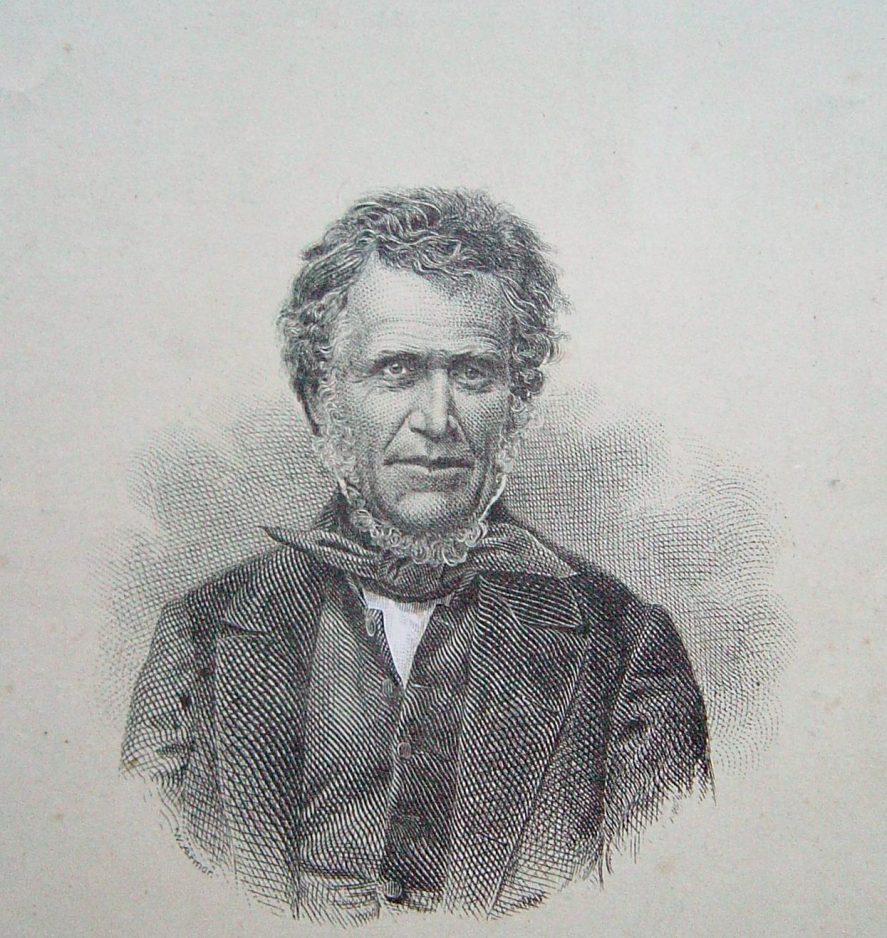
Alexander Reed
Courtesy of Washington County Historical Society
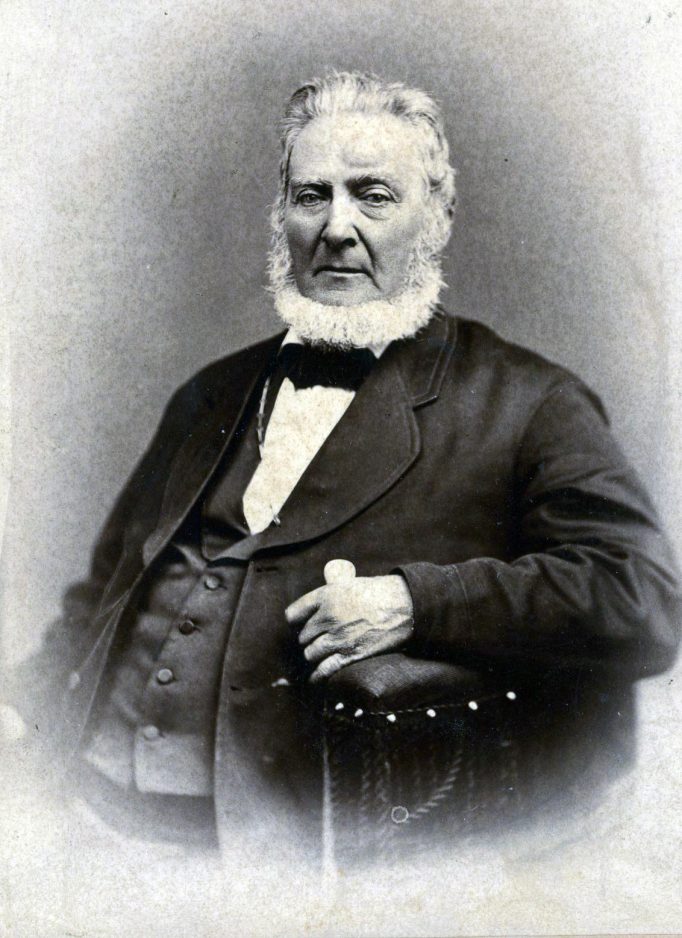
Francis J. Lemoyne
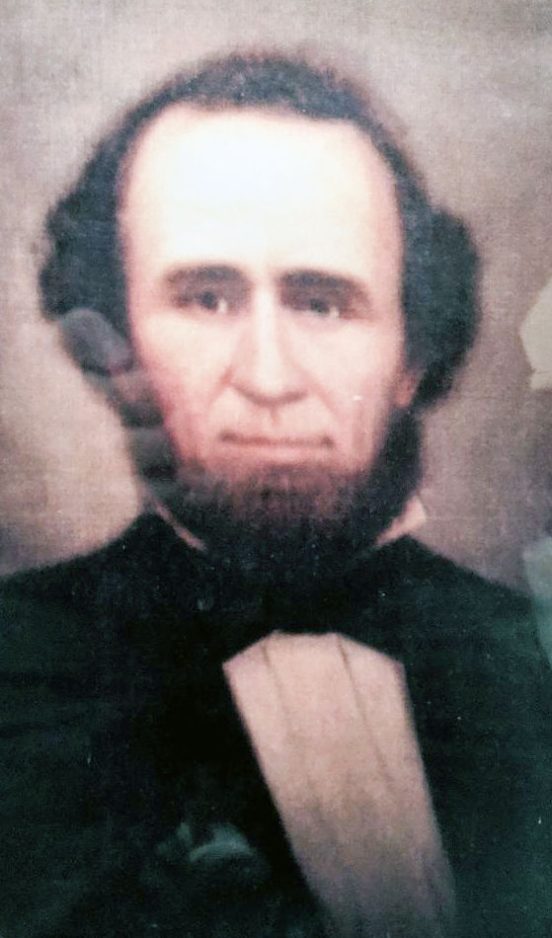
Courtesy of Duncan Miller Glass Museum
George Duncan
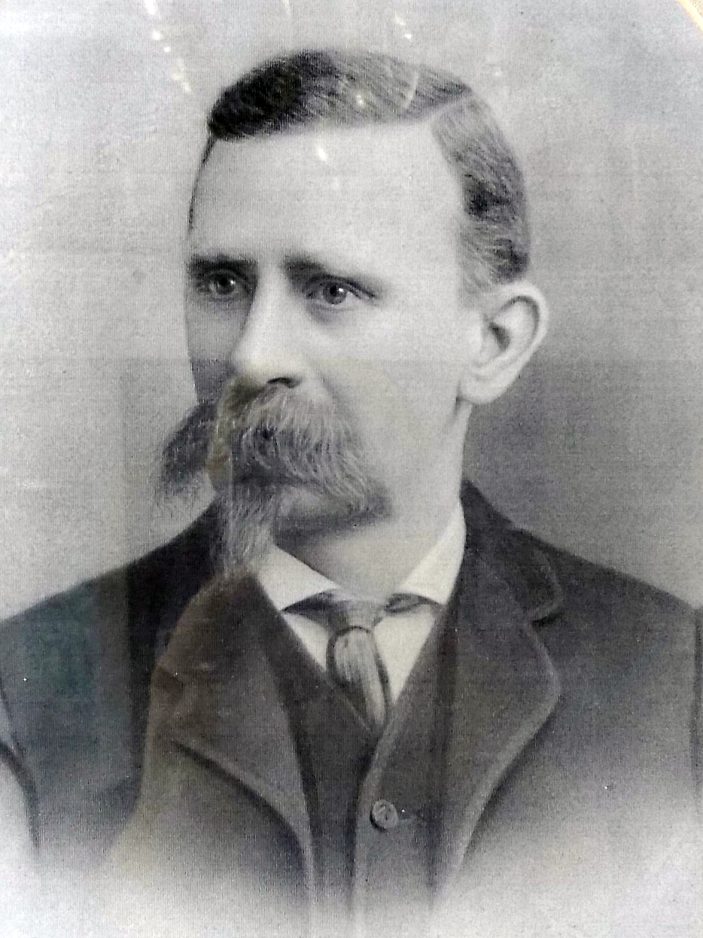
Courtesy of Washington County Historical Society
James E. Duncan
In cities throughout the country, streets are named after important people from that region.
Often there are big ceremonies held to celebrate the dedication of a street in honor of an individual. The street names are meant to be reminders of historical figures or events from the past.
Washington is no different.
The city is full of streets and roads that are named in honor of some of the most important figures in the region’s past. But how many people, who drive those streets every day, have no idea for whom the streets are actually named?
Maybe it is time to gain some insight on these important figures who lent their names to these streets.
Catfish Avenue
This comes from Delaware indian chief Tingooqua, whose name roughly translates to Catfish in English. Tingooqua had a hunting camp on a stream near the current site of Washington & Jefferson College’s football stadium. That stream, called Catfish Creek, also gets its name from the Delaware chief.
Bassett Avenue
In early 1781 David Hoge, who owned the tract of land that now makes up downtown Washington, began laying out lots on his property for a new town. In October of that year, court was convened in the log courthouse Hoge had built, and he officially named his new village Bassett Town. The name was in honor of Hoge’s cousin, Richard Bassett, who lived in Delaware.
Duncan Avenue
This street gets its name from one of the important families in Washington’s early glass manufacturing heritage. George Duncan was the founder of George Duncan & Sons glass manufacturers. After his death, George’s son, James E. Duncan, took over ownership of the company, moved it to Washington, and in 1893 his son James E. Duncan, along with John Miller, built a new factory on Jefferson Avenue and operated as Duncan and Miller Glass Co.
Brady Avenue
Brady Avenue takes its name from another of the early glass manufacturers in Washington. C.N Brady came to Washington County in the early 1800s and founded Brady and Tallman Glass Co. Brady later sold the business, which became Hazel Glass Company.
Reed Street
Alexander Reed was a merchant who was extremely involved in the community in the late 1790s and early 1800s. He was a trustee of Washington College and Washington Female Seminary. Along with Francis LeMoyne, he introduced Merino sheep to the area.
Baird Avenue
Dr. Absalom Baird was born in 1755 in Chester County. He was a surgeon during the American Revolution in Col. Jeduthan Baldwin’s regiment of artillery artificers. Following the war, he moved to Washington County where he practiced medicine and became involved in politics. He served in both the Pennsylvania state Senate and house of representatives. Dr. Baird died in Washington on Oct. 27, 1805.
Scott Avenue
Thomas Scott was the first prothonotary in Washington County. He was born in Chester County in 1740, but moved with his family to the Monongahela Valley in 1770. He was a member of the Pennsylvania state delegation in 1787 which considered the ratification of the federal Constitution. In 1789, he was elected as a representative to the first U.S. Congress. Scott died in Washington in September 1796.
LeMoyne Avenue
Francis J. LeMoyne was born in Washington in 1798 to John Julius LeMoyne and Nancy McCully LeMoyne. From an early age, Francis began developing ideas of equality that would lead him to become one of the most prominent abolitionists in the United States. He opened his home on East Maiden Street to fugitive slaves as part of the Underground Railroad. His other accomplishments include building the first crematory in the western hemisphere in 1876, which was located on Gallows Hill on South Main Street, and founding the Washington City Library which would later become Citizens Library. Francis passed away in Washington in 1879.
So, the next time you find yourself making your way through the city of Washington, don’t view the little green street signs simply as a navigational tool. Consider their namesakes’ contributions to the rich history and heritage of Washington County.
Clay Kilgore is executive director of Washington County Historical Society.