

How Digital Wallets Are Entering Everyday Finance
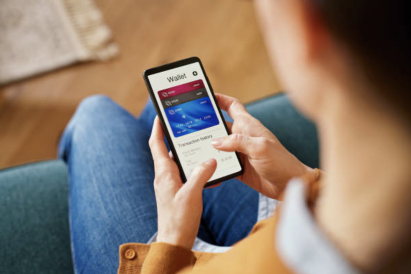
Digital wallets have moved from niche technology to everyday financial tools. People use them to pay for groceries, send money to friends, manage subscriptions, store loyalty cards and access online services. What once felt like a convenience feature has become part of how consumers expect money to move.
This shift is changing the way businesses think about payments. Speed, security and flexibility are no longer extras. They are becoming basic expectations.
Why Consumers Are Choosing Wallet-Based Payments
The appeal of digital wallets is simple. They reduce friction. Instead of entering card details repeatedly or carrying multiple payment methods, users can make transactions through a stored wallet account, app or device.
That convenience matters across many everyday situations. A commuter can tap a phone at a terminal. A parent can split a bill instantly. A freelancer can receive payments across borders. A shopper can complete checkout without hunting for a card.
Digital wallets often appeal because they offer:
Faster checkout
Easier mobile payments
Reduced need to share card details repeatedly
Simple transaction histories
Support for different currencies or assets
Extra account controls and notifications
The same expectations are now spreading into online entertainment and gaming-adjacent platforms. When users compare services, payment flexibility can influence how comfortable they feel signing up. In that context, guides to the best crypto casino options show how digital wallet habits are affecting even more specialised online categories.
The broader lesson is that consumers want payment experiences that feel quick, understandable and under their control.
Digital Wallets Are Changing Business Expectations
Businesses are adapting because payment experience affects conversion. A confusing checkout page, limited payment options or slow confirmation process can lead people to abandon a purchase. On the other hand, smooth wallet support can make a service feel modern and user-friendly.
This is especially important for small and mid-sized businesses competing with larger platforms. Consumers who are used to seamless payments from major retailers often bring those expectations everywhere else.
For local restaurants, wallet payments can speed up ordering. For service providers, they can simplify deposits and invoicing. For online stores, they can reduce checkout steps. For subscription businesses, they can make renewals easier to manage.
The most successful businesses do not add wallet payments just because they are trendy. They connect payment options to real customer needs.
A useful payment setup should answer:
Which payment methods do customers already prefer?
Can the process work smoothly on mobile?
Are fees and timing clearly explained?
Does the customer receive confirmation quickly?
Can support resolve payment issues without confusion?
When businesses approach digital wallets this way, payments become part of the customer experience rather than a background technical detail.
Where Crypto Fits Into the Wallet Conversation
Crypto wallets have added another layer to the digital finance discussion. While not every consumer uses digital assets, the idea of wallet-based control has become more familiar. Users who hold crypto often value speed, privacy, international access and direct account management.
For businesses, crypto payments can be attractive in certain online markets but they also require careful communication. Users need to understand what asset is being used, how transactions are confirmed, what fees may apply and whether a payment can be reversed.
This is why clarity matters as much as innovation. A company can offer advanced payment options but still lose trust if the process feels confusing.
Crypto wallet adoption also reflects a wider consumer desire for flexibility. People increasingly expect to choose how they pay rather than being limited to one or two traditional options. That does not mean every business needs to accept crypto. It does mean every business should pay attention to how payment preferences are changing.
Trust Depends on Transparency
Digital wallets can make payments faster but speed alone does not create trust. Consumers still want clear terms, secure account handling and accessible support. When money moves quickly, users need even stronger confidence that the transaction is being managed properly.
Trustworthy wallet experiences usually include:
Clear payment instructions
Visible transaction status
Simple refund or dispute information
Secure authentication
Easy access to account history
Plain-language explanations of fees
These details are especially important for users who are trying a new platform. If a payment process feels vague, they may hesitate even if the technology behind it is sound.
The same principle applies to traditional banks, fintech apps, e-commerce stores and online entertainment services. Payment trust is built through design, communication and consistency.
Businesses should also avoid assuming that every customer understands wallet terminology. Terms like private key, blockchain confirmation, token, chargeback and exchange rate may be familiar to some users but confusing to others. Good payment design makes the process approachable without oversimplifying important risks.
Mobile Habits Are Accelerating the Shift
Digital wallets are growing partly because mobile behaviour has changed. Many people now manage financial tasks from the same device they use for messaging, maps, shopping and entertainment. The phone has become both a communication tool and a financial access point.
That creates new expectations for speed and usability. Payment pages need to work on smaller screens. Buttons must be clear. Authentication should feel secure without becoming frustrating. Transaction records should be easy to find.
A mobile-first payment experience should be:
Fast enough to complete without unnecessary steps
Clear enough for new users to understand
Secure enough to protect personal information
Flexible enough to support preferred payment methods
Reliable enough to confirm transactions quickly
When businesses get this right, the payment process fades into the background. Users can focus on the product, service or experience they came for.
Everyday Finance Is Becoming More Flexible
Digital wallets are not replacing every traditional payment method. Cards, bank transfers and cash still matter in many settings. But wallets are changing what consumers consider normal. They expect more control, more speed and more choice.
For businesses, this creates both opportunity and responsibility. Adding new payment options can improve access but only when the experience is explained well and supported properly.
The future of everyday finance will likely be less about one dominant payment method and more about flexible ecosystems. Consumers will move between cards, bank apps, mobile wallets, prepaid tools and crypto wallets depending on the situation.
Brands that understand this shift will design payment journeys that feel simple rather than scattered. In a world where money moves through more channels than ever, the winners will be those that make every transaction feel clear, safe and easy to complete.