

‘The perfect storm’
Increased need leaves nonprofits stretched thin
When many domestic violence victims leave an abusive relationship, they have to start from scratch.
That can mean a financially dependent victim has to get a job. It can also mean going from two incomes to one.
Inflation can compound the problem, said Jackie Parker, a communications specialist with Domestic Violence Services of Southwestern Pennsylvania.
“Leaving an abusive relationship already comes with challenges. When you add in housing, groceries, child care … it can be even more difficult for someone to establish independence,” Parker said.
And as DVSSP provides critical help to those looking to escape, the nonprofit, which serves Fayette, Washington and Greene counties, finds itself facing financial struggles, too.
Next year, federal funding through the Victims of Crime Act (VOCA) will be reduced by 7.5%, a $51,000 reduction for DVSSP.
The continued reduction in funding and increase in costs “is like the perfect storm,” Parker said.
Barry Niccolai, the CEO for Centerville Clinics, called it “a rolling tsunami” caused by inflation, reductions in Medicaid coverage, stagnant federal funding and increased operational and labor costs.
“In an environment where our underinsured are growing, we are being faced with rising (operational) costs and higher patient costs,” he said.
The nonprofit community health center provides medical, dental and behavioral health care, charging patients on an income-based sliding fee scale.
Despite affordable access to care, inflation may mean some patients have to choose between buying their medication or putting food on the table, Niccolai said.
That can cause a trickle-down effect: Without medication to manage a chronic condition like high blood pressure, it’s likely to worsen, leading to an emergency room visit and a hospital stay, he said.
Centerville Clinics has 13 locations spread across Fayette, Greene and Washington counties, Many of the locations are in smaller towns like Fairchance, Charleroi or Carmichaels. The newest facility will be in Avella in Washington County – a community that is a health care desert – towns that don’t have adequate access to medical services, according to Niccolai.
“That’s how we determined where our 13 sites would be over the years,” he said. “We go to places where there are people who can’t get around to remove (their) transportation barriers.”
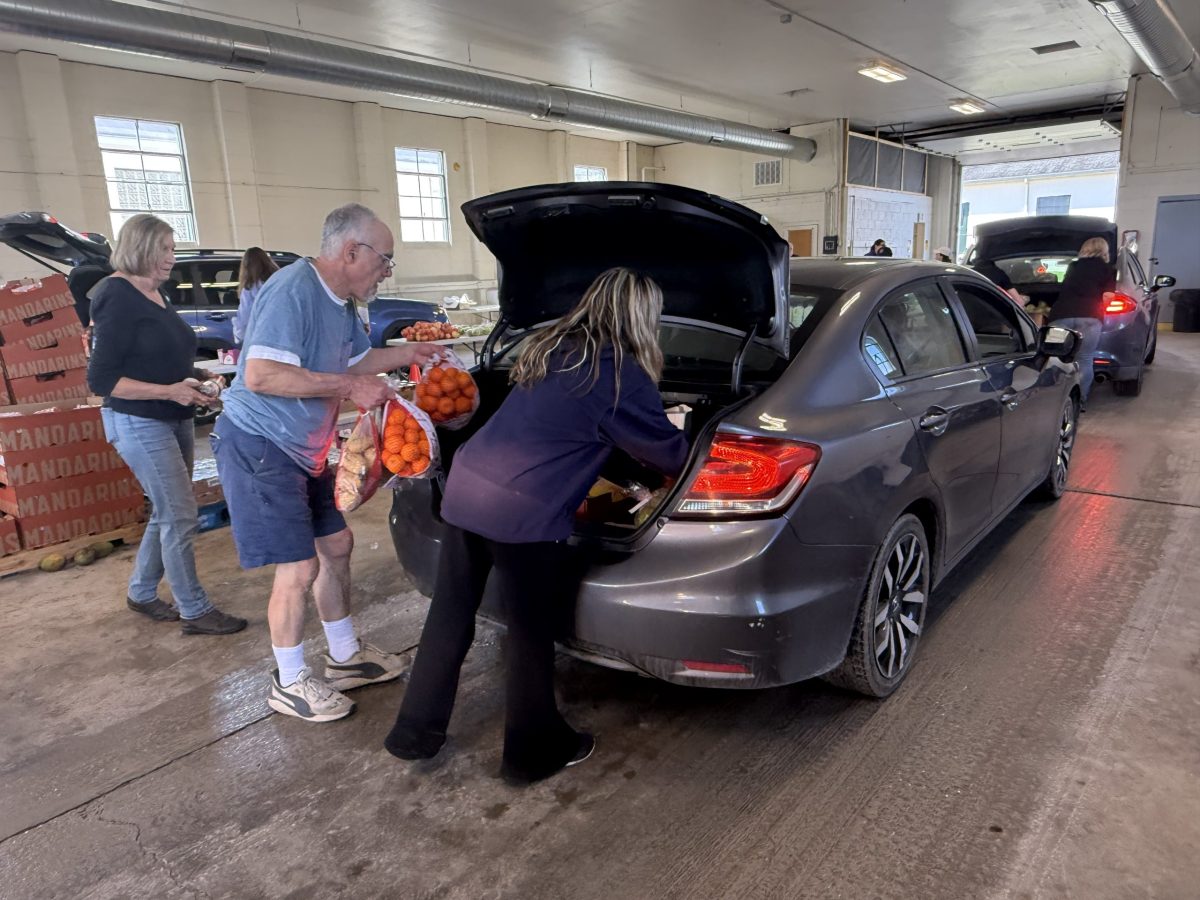
The Greater Pittsburgh Food Bank also looks for places where the need for help is greatest, said Erin Kelly, the director of partner networks and distribution programs. Their most recent food distribution started this week at the Greene County Fairgrounds in Waynesburg, operated in partnership with Corner Cupboard Food Pantry in Waynesburg.
It was open to anyone regardless of income, Kelly said.
Across its 11-county service area, the food bank saw a 9.1% increase in families and 14% in individuals served between July 2025 and last month. Over that same time period, Greene County saw an increase of 17.2% in families and 26.7% in individuals, while Washington County’s numbers went up by 15.2% for families and 24.6% for individuals. Fayette County’s numbers are not yet available.
The harsh winter and government shutdown left some people struggling. “As people are trying to catch up on bills, we are seeing people turning to food assistance resources,” Kelly said.
Inflation has played a role too, she said. Melanie Wolfe, director of the Community Circle Food Pantry in Washington, agreed.
In March, the pantry served 1,073 households – that’s nearly 400 more households, or 59% more, than the 675 the pantry served in March 2025.
“Our numbers have been crazy,” said Wolfe. “We’re stretching every resource we have.”
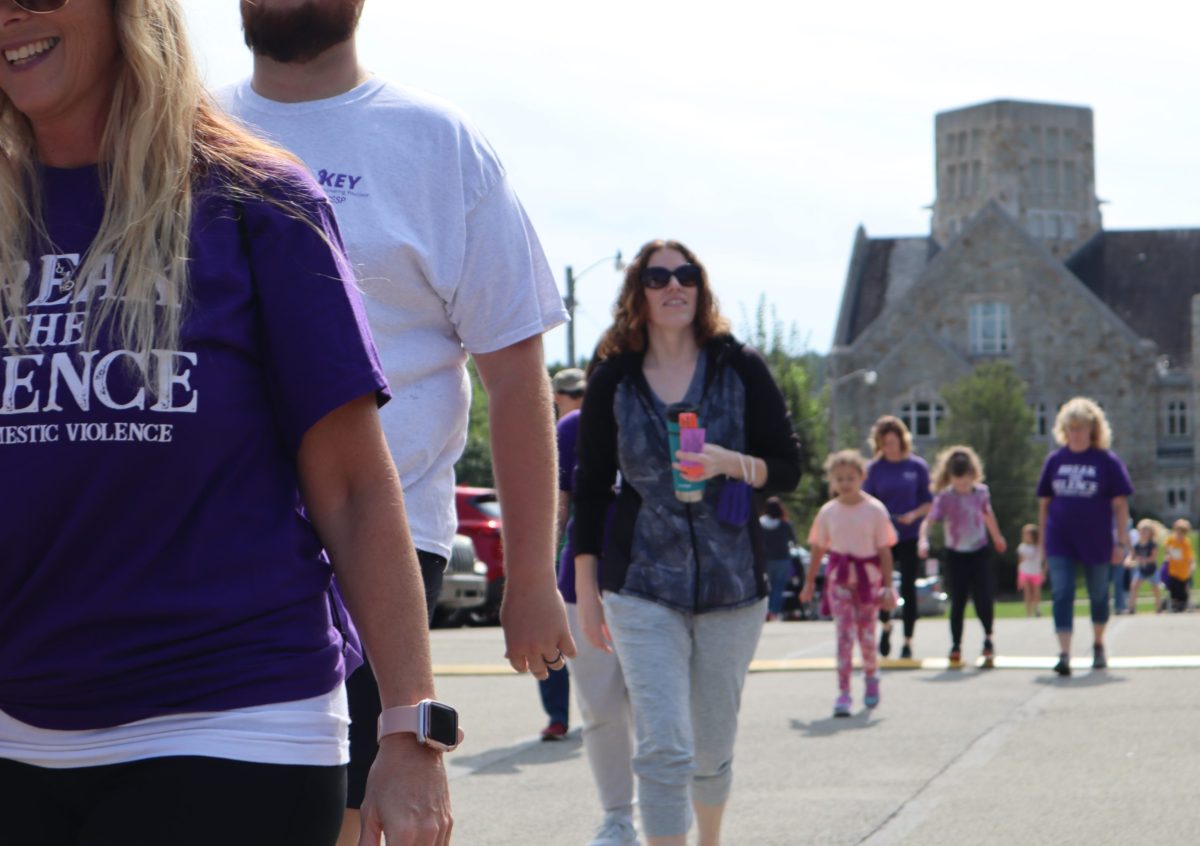
At DVSSP, Parker said they’re doing the same, relying on donations and volunteers to keep services steady because they want even more victims to escape abusive situations.
“The financial barrier can feel overwhelming, but they don’t have to have everything figured out before leaving,” she said. “Don’t let those pressures and worries be the factors that keep you in an unsafe situation and an abusive relationship.”