

Army Corps of Engineers unveils Chartiers Creek flood study
The U.S. Army Corps of Engineers Pittsburgh District announced a comprehensive feasibility study on the Chartiers Creek watershed, which will produce a range of project recommendations to control flooding across the region by the end of the year.
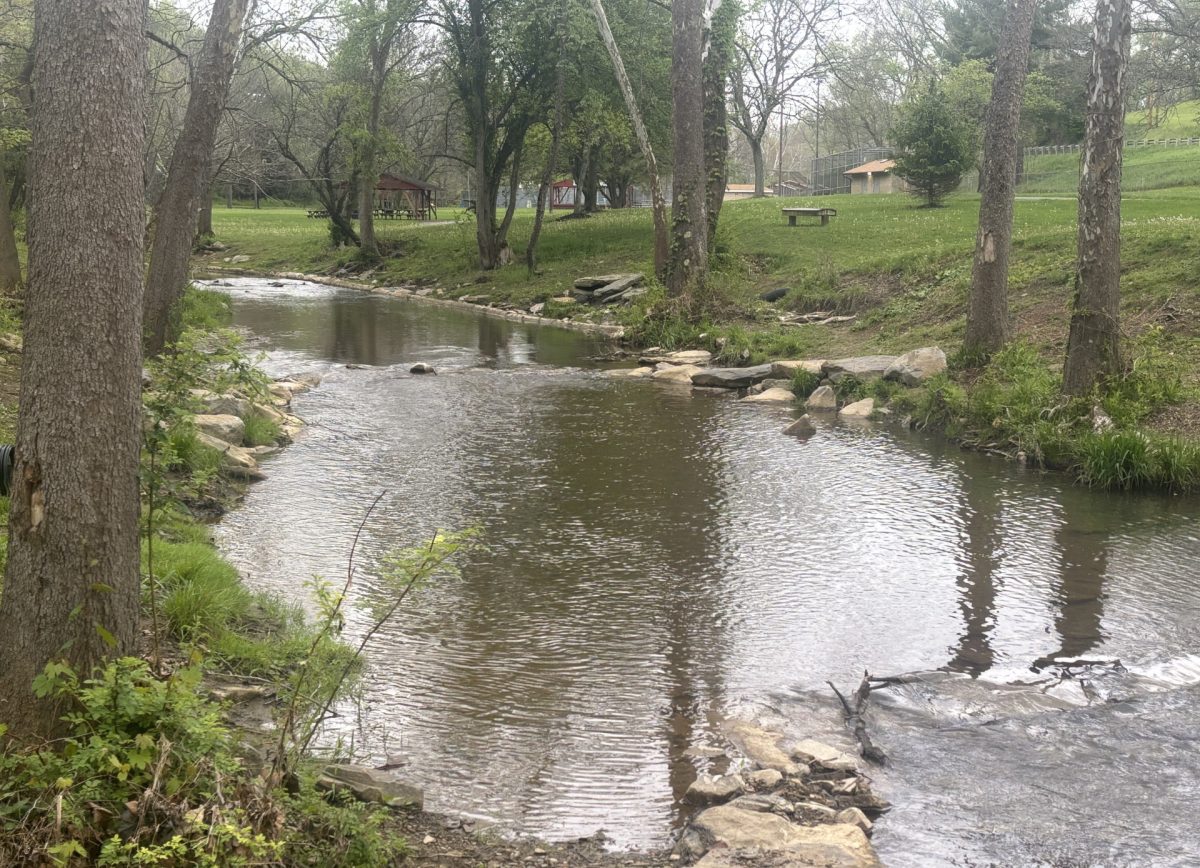
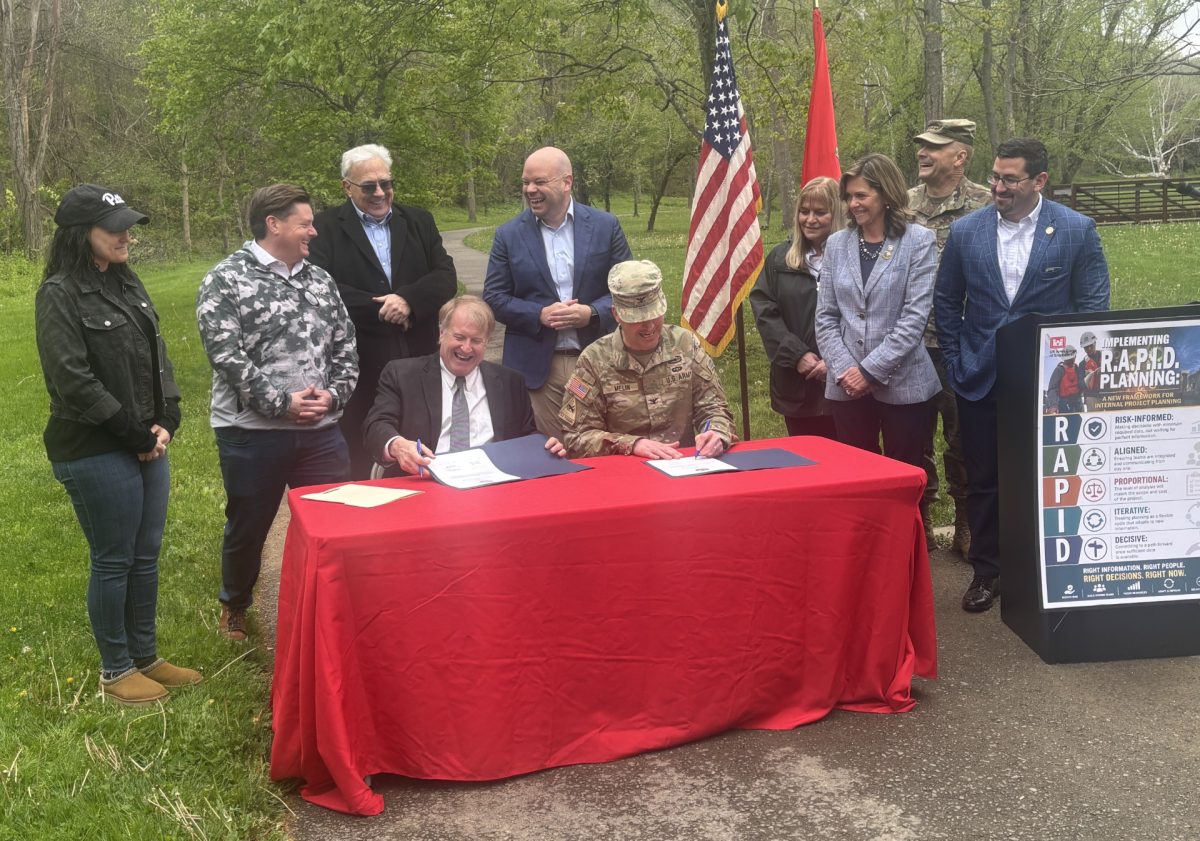
More than 30 local elected officials and U.S. Army Corps of Engineers (USACE) leaders gathered at the Thursday morning event held along the banks of Chartiers Creek in Cecil Township Park.
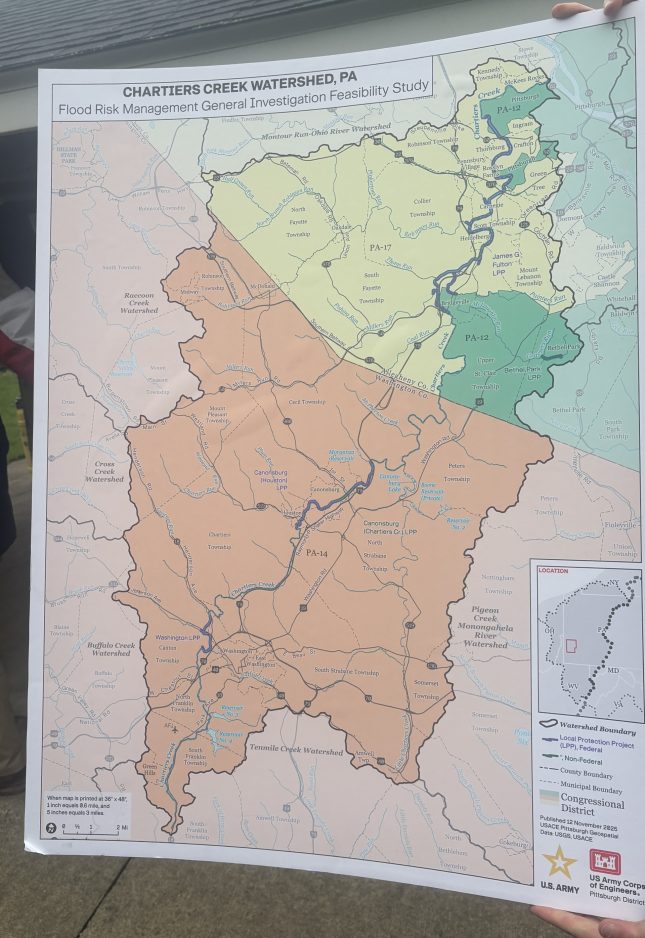
The 48-mile-long watershed spanning southern Allegheny and northern Washington counties is home to more than 250,000 people and has experienced severe flooding at regular intervals, most recently in 2024 when several low-lying areas adjacent to the creek were underwater for days.
According to USACE Community Planner and Project Manager Anthony Schneider, the feasibility study is designed to generate “solutions to make everyone’s lives better.”
Schneider said the study area will stretch from McKees Rocks down to Green Hills and South Franklin Township and from Robinson Township east to Somerset Township.
This study will include a range of hydrological studies to understand the flow of water and sediment throughout the watershed with the goal of determining the most flood-prone areas.
Schneider said the first round of study results will be released sometime in summer 2026, with a number of public engagement events to follow shortly thereafter.
“We’ll try to get some input from residents and the general public to see what they think about what we got right, what we got wrong and incorporate that feedback and ideally come out with a draft report by the end of the year,” he said.
Schneider said he is unsure when actual work will begin on projects recommended by the report, since it depends on the scope of individual projects and the congressional appropriations timeline.
“So it will be up to (Congress) once we get the study complete and the report goes to Congress and that point is when we would start soliciting for funding for construction,” Schneider said.
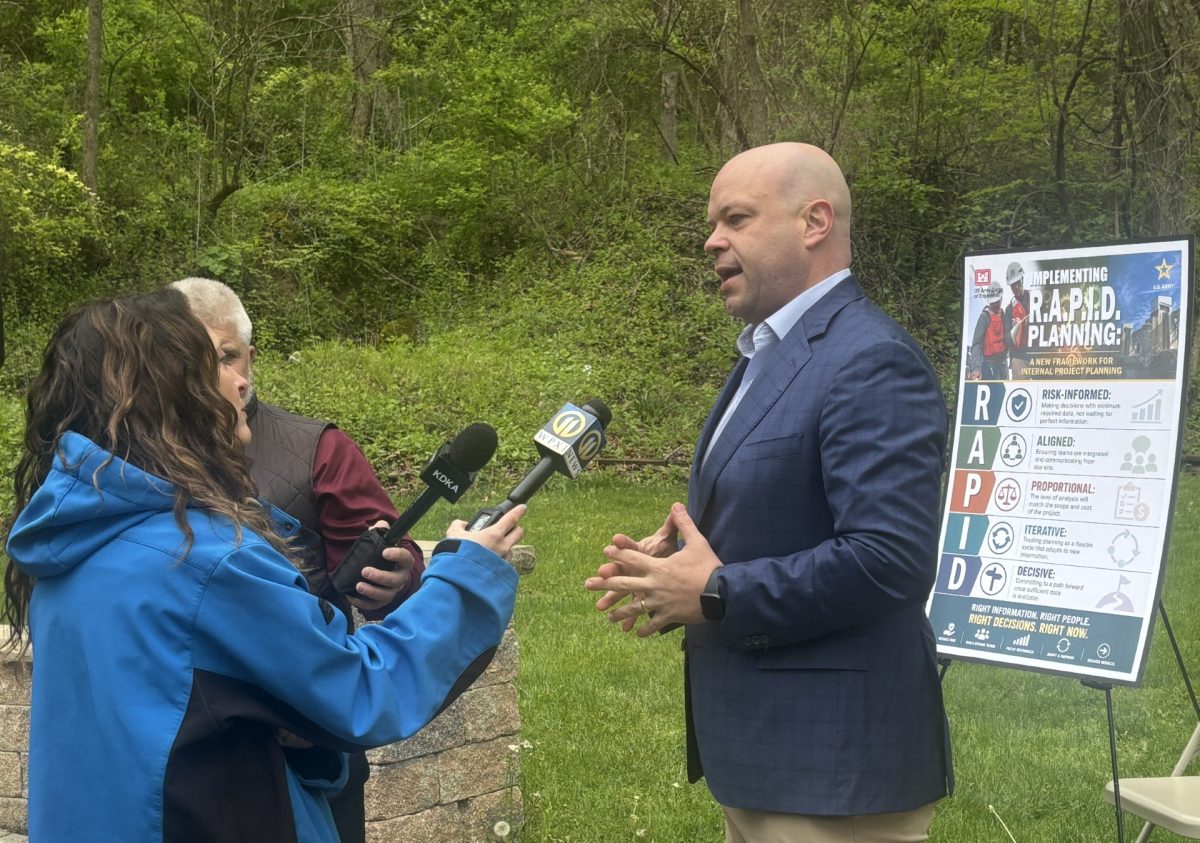
Assistant Secretary of the U.S. Army for Civil Works Adam Telle said the Chartiers Creek project will be the first major USACE endeavor to utilize the new RAPID internal project framework. RAPID stands for risk informed, aligned, proportional, iterative and decisive planning, and was debuted in fall 2025.
This new framework is designed to improve operational efficiency within the department, Telle said.
“We wanted to stop building mountains of paperwork and start building infrastructure,” he said, noting that before RAPID, a project of this scale could easily have taken 10 years or longer to bring to fruition.
“The Chartiers Creek study is critically important to numerous communities in the watershed and to the U.S. Army Corps of Engineers,” Pittsburgh USACE Commander Col. Nicholas Melin said in a statement. “Through the RAPID framework, the district has the opportunity to deliver implementable engineering solutions that reduce flood risk in the communities where we live and raise our families.”