

Mooooove over: Scottish Highland cows have become trendy bovines
Scottish Highland cows have become trendy bovines
Like any parent just before their kid ventures down the aisle, Grace Ensle is nervous.
And undoubtedly adding to Ensle’s jitters is that she is the mother of both the bride and the groom.
“There’s a lot of preparation,” Ensle said.
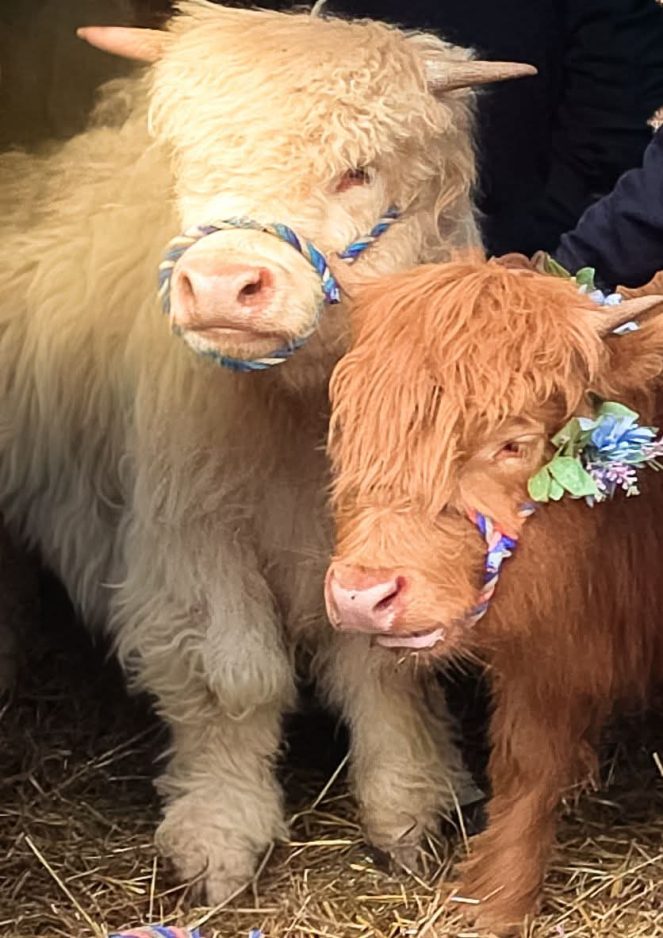
Adding to the complications is the fact that the nuptials are not of the human kind but the bovine. On Aug. 22, the Scottish Highland cows Olaf and Anna will be joined in holy matrimony at the Red Fox Winery in Hickory. The festivities will get underway at noon and continue to 5 p.m. Olaf and Anna will have a ring bearer, a flower girl, bouquets and more of the trappings you expect from a wedding.
It should prove to be a moooooving ceremony.
“It started as an April Fool’s joke,” according to Ensle, who owns Willow Highland Acres in Hopewell Township.
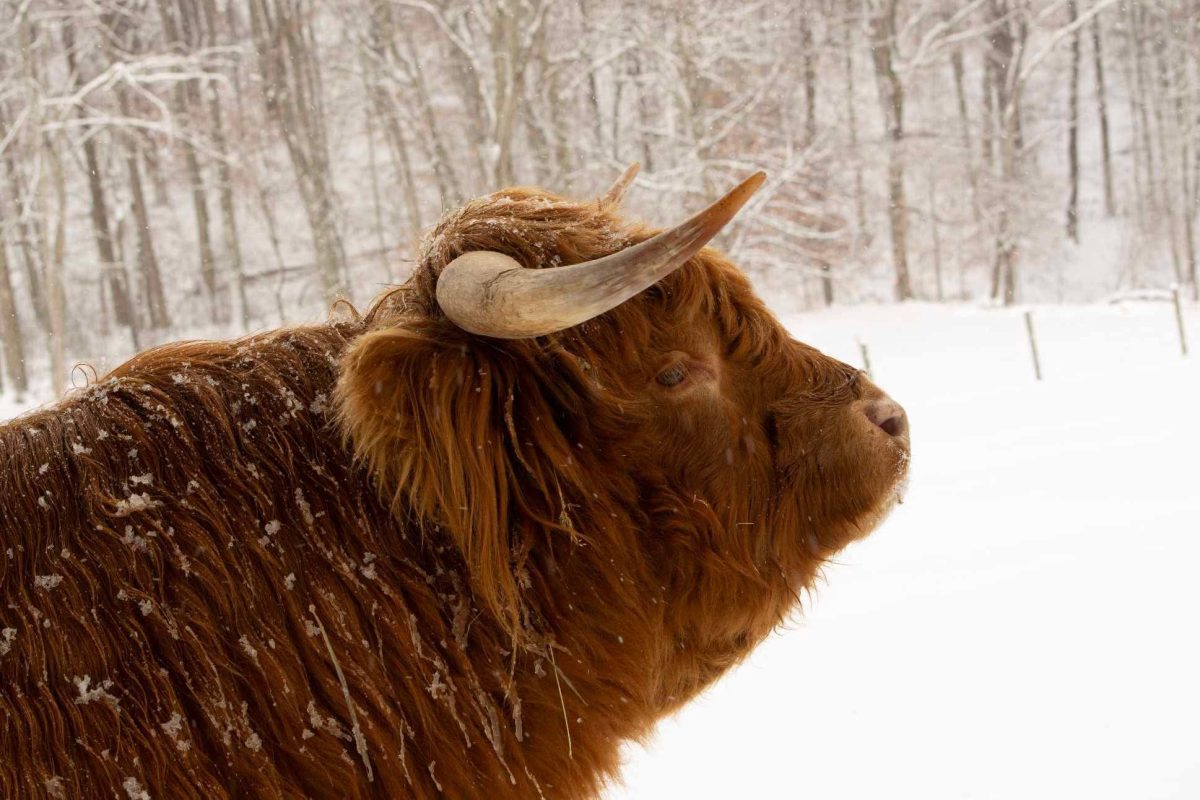
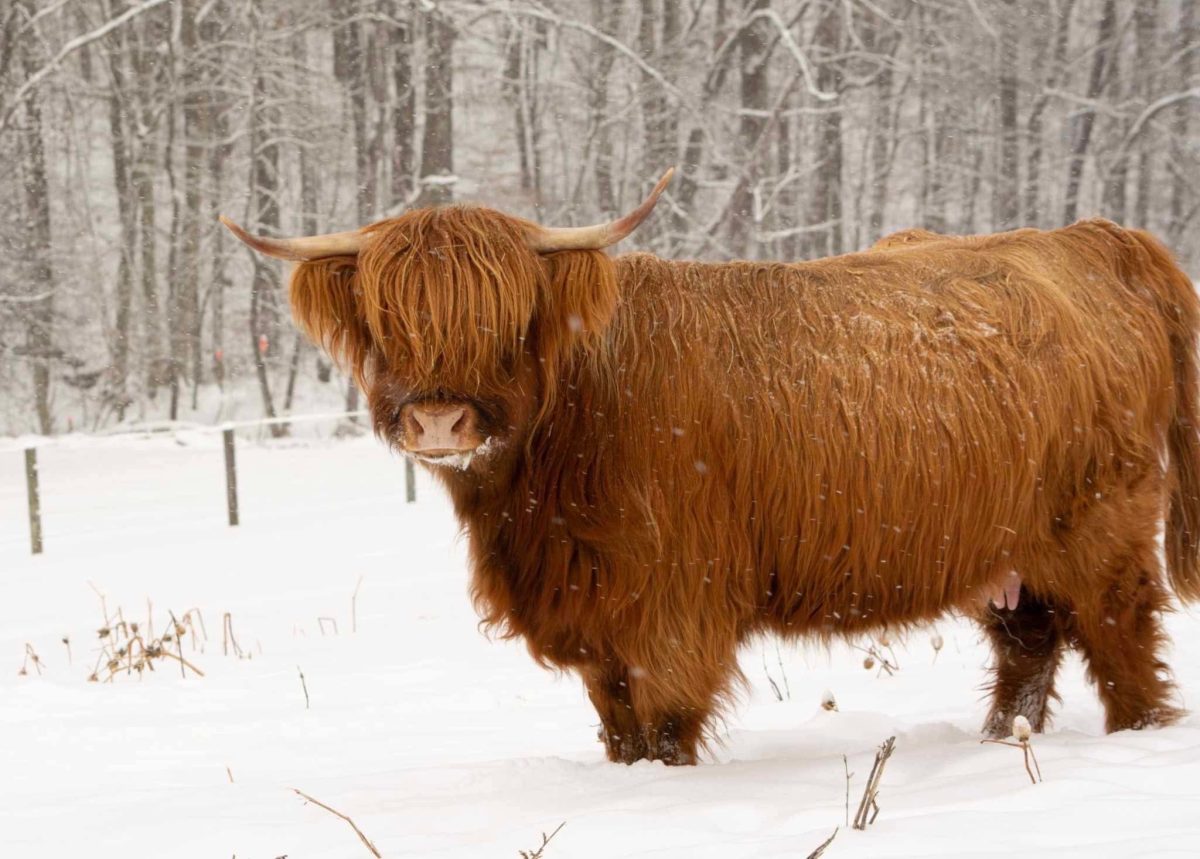
Aside from being among the rare cows about to venture into wedded bliss, Olaf and Anna are among the trendiest of cattle, though they are probably not aware of it. Scottish Highland cows have become “a thing” for want of a better term, thanks to their relatively small size, shaggy fur and easygoing demeanor. They’ve been embraced by both full-time farmers and hobbyists alike.
In a report earlier this year, the BBC in Britain described them as “the internet’s favorite farm animals.”
“Their instantly recognizable fringe-over-eyes look gives them a mix of mystery and charm that plays perfectly on social platforms,” the BBC reported. In 2022, The New York Times said Scottish Highland cattle have “bovine charisma” and described them as looking “something like a cross between a Tibetan yak and a Texas longhorn, with a bit of Yoda thrown in.”
Although Scottish Highland cattle may have become the “it” cows of the 2020s, they date back to at least the 500s. They hail from the rugged mountains in the remote northern part of Scotland and in the islands that lay off the country’s northwestern coast. In today’s world they may be known for being as cuddly as teddy bears, but they were built for the unforgiving conditions in Scotland’s Highlands, where the winter wind chills can be well below 0 degrees.
It’s estimated that there are about 40,000 Scottish Highland cows around the world, with 15,000 registered in the United States. Some can be found at Stone Fields Farm in East Finley. Marcy Lancaster and her husband, Carl, have taken them to Greene County Fair and other agricultural shows. They will be bringing them to McGuffey Community Park in Claysville next month during the Covered Bridge Festival.
“People like seeing them,” Lancaster said. “Most people associate them with a stuffed animal.”
She also said the cows are “excellent at cleaning your property,” because they are “foragers of everything.” Another advantage: Their temperament is decidedly laid-back.
“They are wonderful,” Lancaster said.
Ensle agrees. She said they have the power to raise a smile even for people who are dealing with grief or a serious illness.
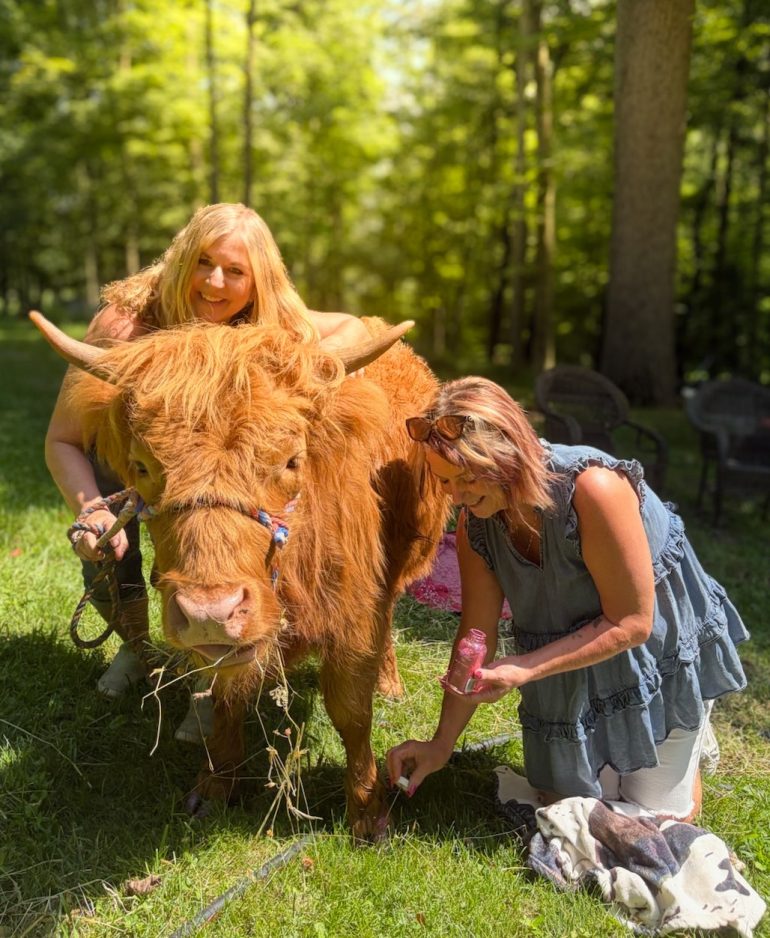
“I can’t tell you how happy people are,” she explained. “The breed is so unique looking and they are very sweet and affectionate. Kind of like a dog.”
Ensle takes Olaf and Anna on walks and sometimes they try to wander into the house Ensle shares with her husband, Fred. This means neither should cause any trouble at their wedding, where there will be room for 100 people to be seated, with additional space for guests to stand.
“They’re used to being around a lot of people,” she said. “They’re very socialized.”
Information on Olaf and Anna’s wedding is available by email at whacres@yahoo.com or by calling 878-289-4265.