

Annual report highlights overdose reversals, decline in overdose deaths
 Associated Press
Naloxone helped reverse nearly 9,500 overdoses in Pennsylvania last year, according to an annual report on the state’s overdose prevention program.
The numbers were collected between January and September 2025. According to a press release, the Department of Drug and Alcohol Programs (DDAP), which administers the overdose prevention program, distributed 800,000 doses of naloxone, and 737,000 fentanyl and xylazine test strips in 2025.
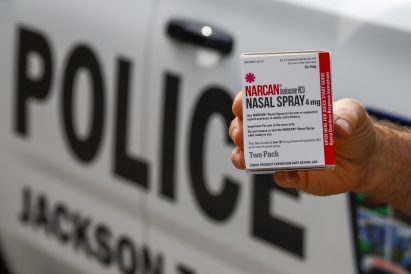
Naloxone is the main ingredient in Narcan nasal spray, used to reverse the effects of an opioid overdose.
Data from the state Department of Health suggests overdose deaths are also decreasing. There were 3,341 deaths resulting from drug overdoses in 2024, down 29% from the previous year. According to the health department, 53 of those were in Washington County, 38 in Fayette County and 10 in Greene County.
Breanne Pugh is the project coordinator of the Washington Drug and Alcohol Commission. She said the overdose prevention program has helped the commission give out more Narcan kits.
“It’s kind of amazing to me to see how far Narcan distribution has come,” Pugh said.
Pugh explained the commission started distributing Narcan in 2015, and it mainly went to first responders. Now most are eligible to receive Narcan, and with the overdose prevention program the drug and alcohol commission can distribute it through the mail.
“We have so many people who have not been personally affected by opioid abuse disorder who request Narcan just to be able to save a life,” Pugh said.
Pugh extended credit to former District Attorney Gene Vittone, who died in 2021, for getting Narcan distribution off the ground in Washington County.
“Gene Vittone gave the Washington Drug and Alcohol Commission drug forfeiture money to be able to purchase this Narcan,” Pugh said. “He saw the benefit of it, saving a life and getting someone into treatment.”
In 2025, the commission distributed 2,500 Narcan kits, and has distributed 15,500 since starting the program a decade ago.
According to Pugh, the kits contain two doses of the nasal spray. There are also gloves and information leading people to resources for getting help for those with substance abuse issues.
“We don’t just hand you a box of Narcan and say, ‘here you go,'” Pugh said. “Not everyone is ready to get help. We just try to make them as useful as possible, more than just here is your Narcan. There are resources to help get you to where you need to go.”
In some cases where emergency responders help reverse an overdose, that person is not always willing to seek treatment.
“That person is not ready to get transported, or they’re not ready for help. Ambulance and Chair will leave that Narcan with a loved one,” Pugh said.
Anyone who is seeking help with a substance abuse disorder can contact the Washington Drug and Alcohol Commission at 724-223-1181.