

Beck-Ringland Tavern closes brewery in Scenery Hill
Business listed for sale after taproom opened in 2023
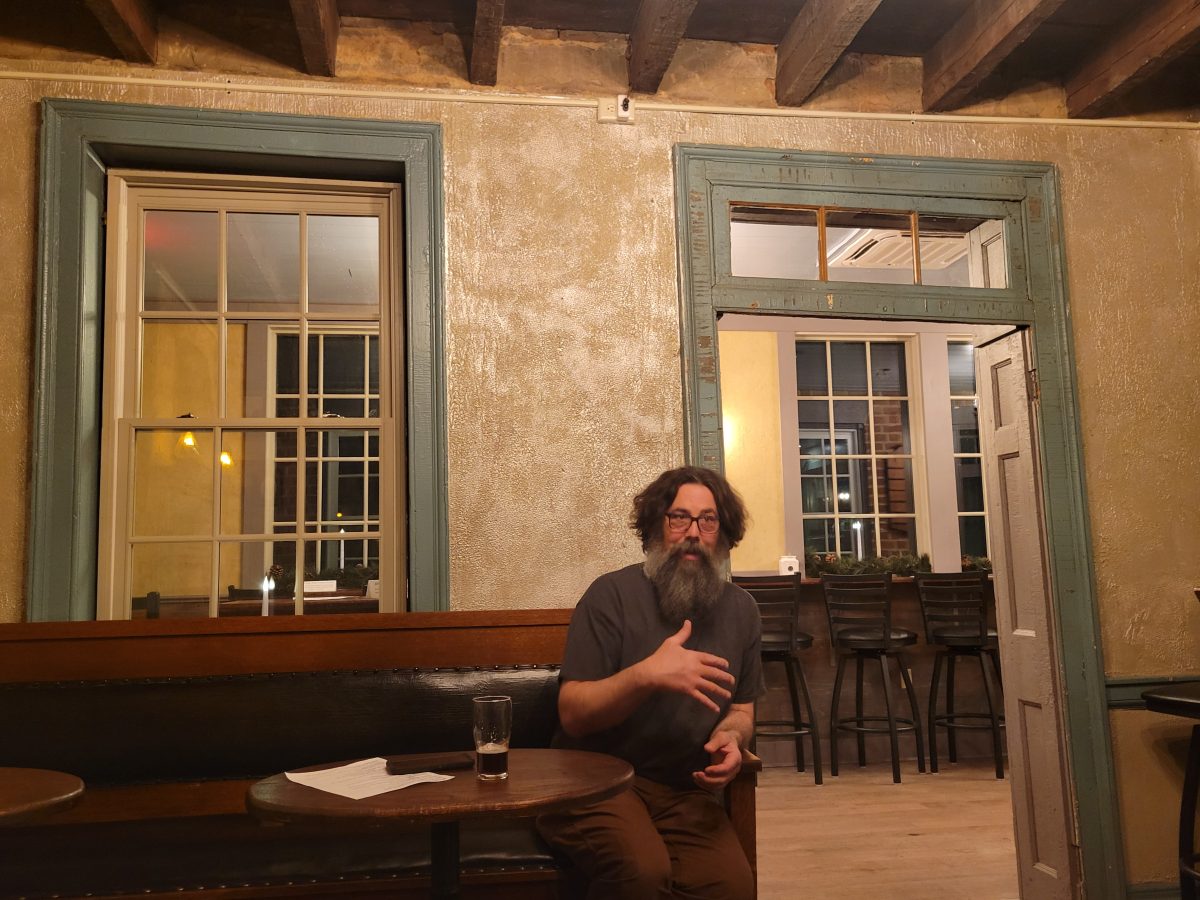
When Brian Allen thought about purchasing the dilapidated Beck-Ringland Tavern in Scenery Hill more than a decade ago, the roof was caving in and the building was condemned and on the verge of collapsing.
Allen said his wife, Kathy, wasn’t sure why he wanted to save the old tavern, but he felt a need to preserve the former stagecoach stop built along the National Road at the turn of the 19th century.
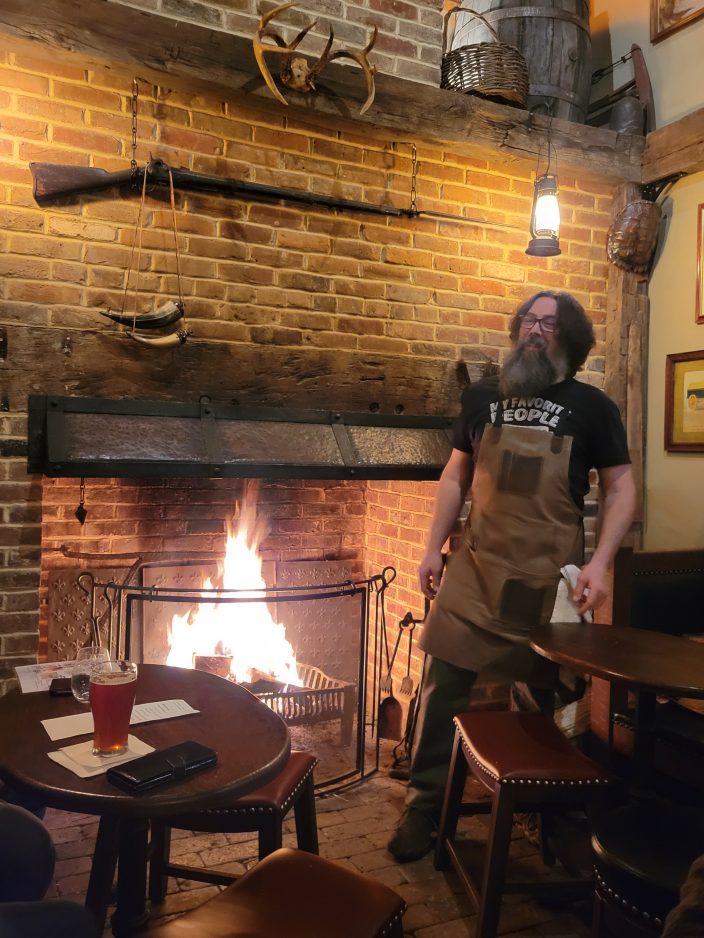
It wasn’t much to look at when the Allens bought the building in April 2014, but over the next nine years they put a new roof up, built a front parlor room where a porch once stood and handcrafted a deck in the rear for people to enjoy the scenic view and listen to live music. Allen opened Scenery Hill Brewing at Beck-Ringland Tavern in the fall of 2023 in what became an intimate and quaint setting, all while brewing his craft beer in the former hardware store next door.
“The tavern was in disrepair and on the verge of collapse. The way it organically grew is amazing,” Allen said. “It’s something to be proud of. What you don’t realize is the impact people have on you.”
Allen announced on Beck-Ringland’s Facebook page Tuesday that the brewery is now closed as of Saturday, although he is listing the business for sale with the hopes a buyer will carry on the baton. It’s the second brewery in Washington County to close recently after The Washington Brewing Co. shuttered its restaurant in December and ceased beer production in the spring.
In a phone interview after the announcement, Allen said they made the decision to close Beck-Ringland in order to spend more time with family and enjoy a slower pace in semi-retirement after running the business for nearly three years.
“It’s just our time. It’s been 11 years of every moment of our life wrapped up in there,” Allen said of the years it took to get the tavern rehabilitated and open for business.
He said his oldest son was 6 when this venture started and is now off to college, so the Allens want to spend more time with their other two sons as they grow up. They’ve also lost three parents during that time, Allen said, and they want to enjoy being with family as long as they can.
“This is just us taking advantage of the hard work we’ve done and the pennies we’ve squirreled away. We’re not going to wait until it’s too late,” Allen said. “As bittersweet as it is, it’s a good time for myself, my wife and my kids. I want to enjoy my sons before they launch off.”
He said Beck-Ringland was “paying the bills,” but the amount of time it took to run the business – both brewing and running the taproom – is obviously a lot of work. He hopes a new buyer will show interest in the turn-key property and transform it into their own vision for the community, whether it be a restaurant with a full-service kitchen or something entirely different.
“We don’t want somebody to roll in here who’s not from the area or just looking to create another hum-drum fried food bar,” Allen said. “I want someone who wants to invest in the community and be the backbone for (Scenery Hill).”
As Allen reminisces about the tavern and sees the various pictures, antique items and other decor on the walls, he thinks about the customers over the last three years who made it happen and became a “core group that came over and became friends” in the Beck-Ringland family.
“What we really needed was a place for people to meet each other and hang out,” Allen said of their vision for the tavern more than a decade ago. “One day, we lifted our heads … and we were here.”
The tavern was built in 1800 by James Beck, whose Kinkead, Beck & Evans company was under federal contract to construct portions of the then-toll road, according to a 2014 story in the Observer-Reporter. Beck sold the two-story building a year later to George Ringland, and it primarily served as a stage house for those traveling the road before trains and cars replaced horse-drawn coaches, according to “A Guide to the National Road,” by Karl B. Raitz and George F. Thompson.