

National health survey stops at Tanger Outlets
Data collected useful in shaping federal policy
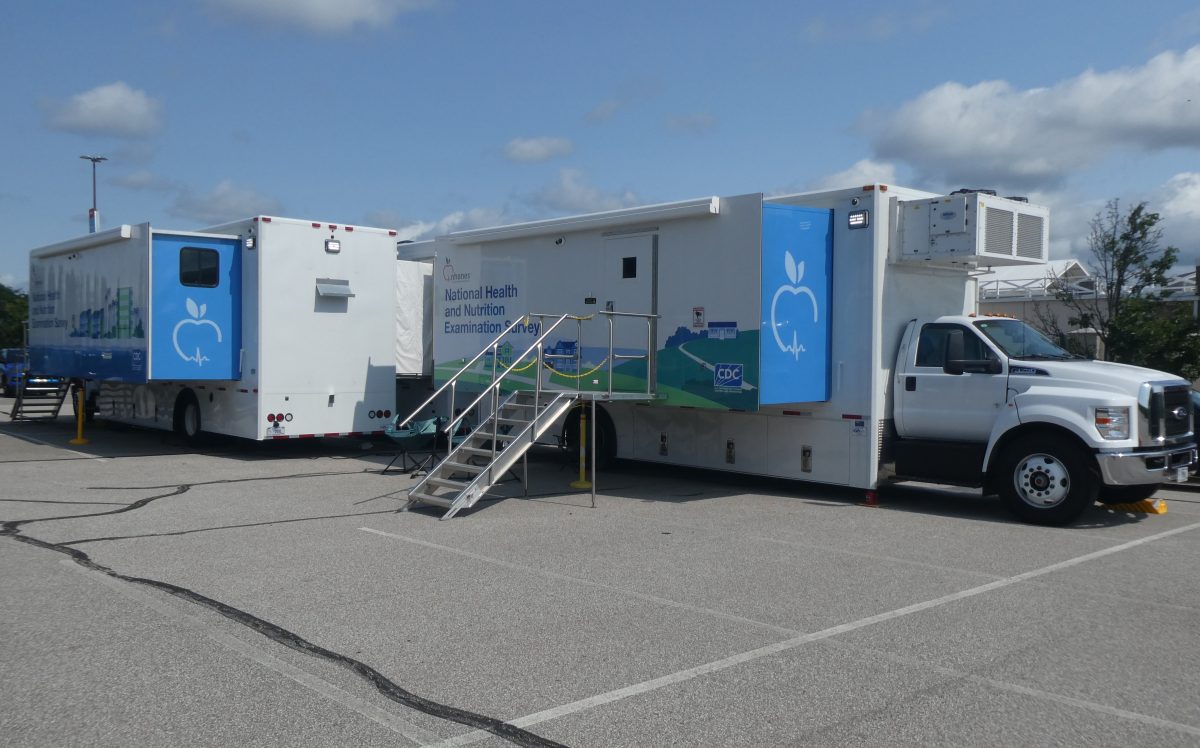
More than 650 local households have been invited to participate in a federal health survey during a two-month stop in Washington County.
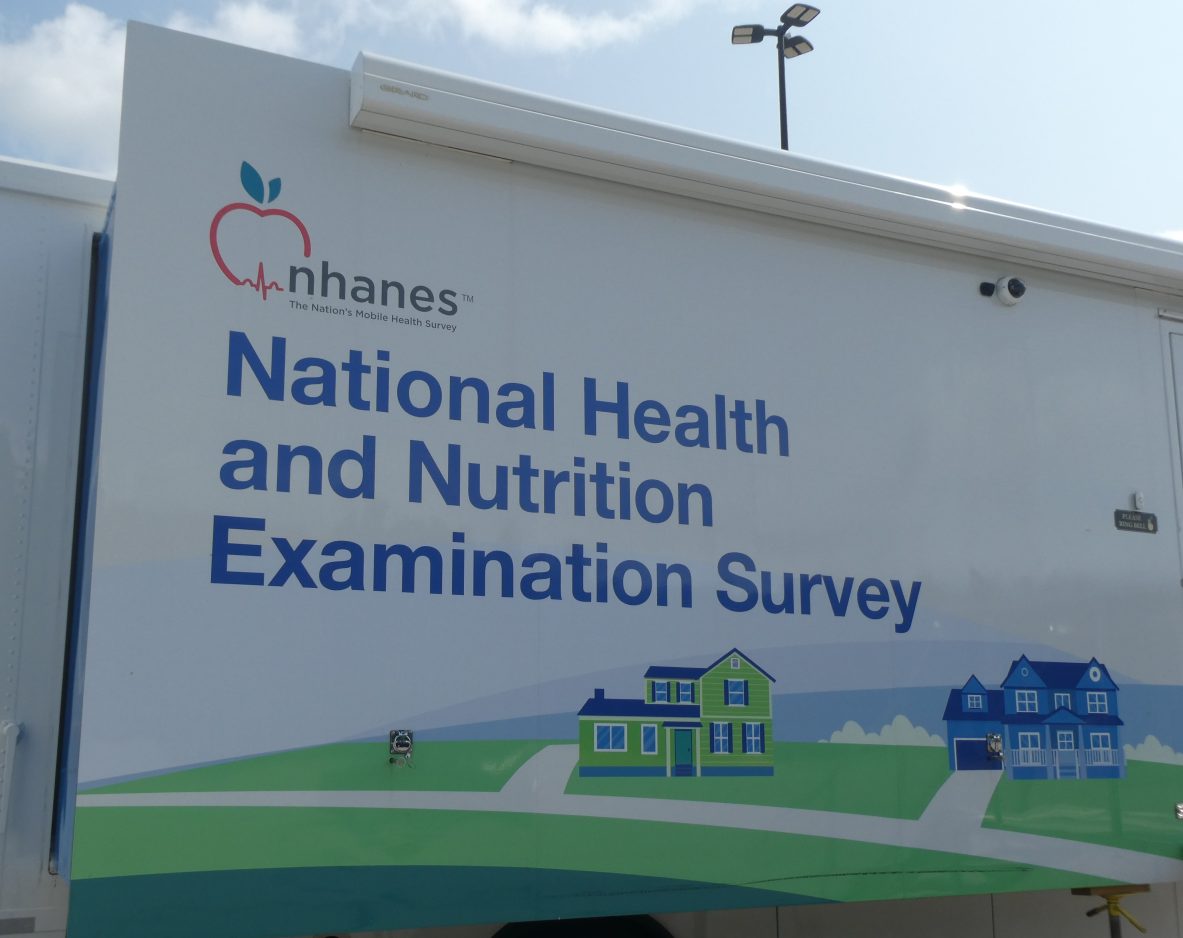
The National Health and Nutrition Examination Survey (NHANES) is an annual data collection program run by the U.S. Centers for Disease Control and Prevention (CDC) that is designed to generate a wide range of demographic health information for use in federal policy-making and regulatory decisions.
Each year, five NHANES Mobile Exam Centers are dispatched to 20 locations around the country to collect anonymized data from health examinations conducted on local participants. One of these Mobile Exam Centers arrived in Washington County early this week, and will remain at Tanger Outlets until late September to finish a round of local data collection exams.
According to RTI International Communications Analyst Jenna Green-Ross, the data collected by the survey is invaluable in informing federal health policy, such as regulating car seats for children, airplane safety testing and setting government standards for malnutrition and other uses.
The survey cycle begins with mailers being sent to around 650 randomly selected households in a given study area, Green-Ross said. NHANES staff are careful to select recipient households from a nondescript list of addresses, in order to preserve the randomness of the study.
Each of the approximately 5,000 individual participants involved in the nationwide survey is intended to represent about 60,000 people across the county, Green-Ross said.
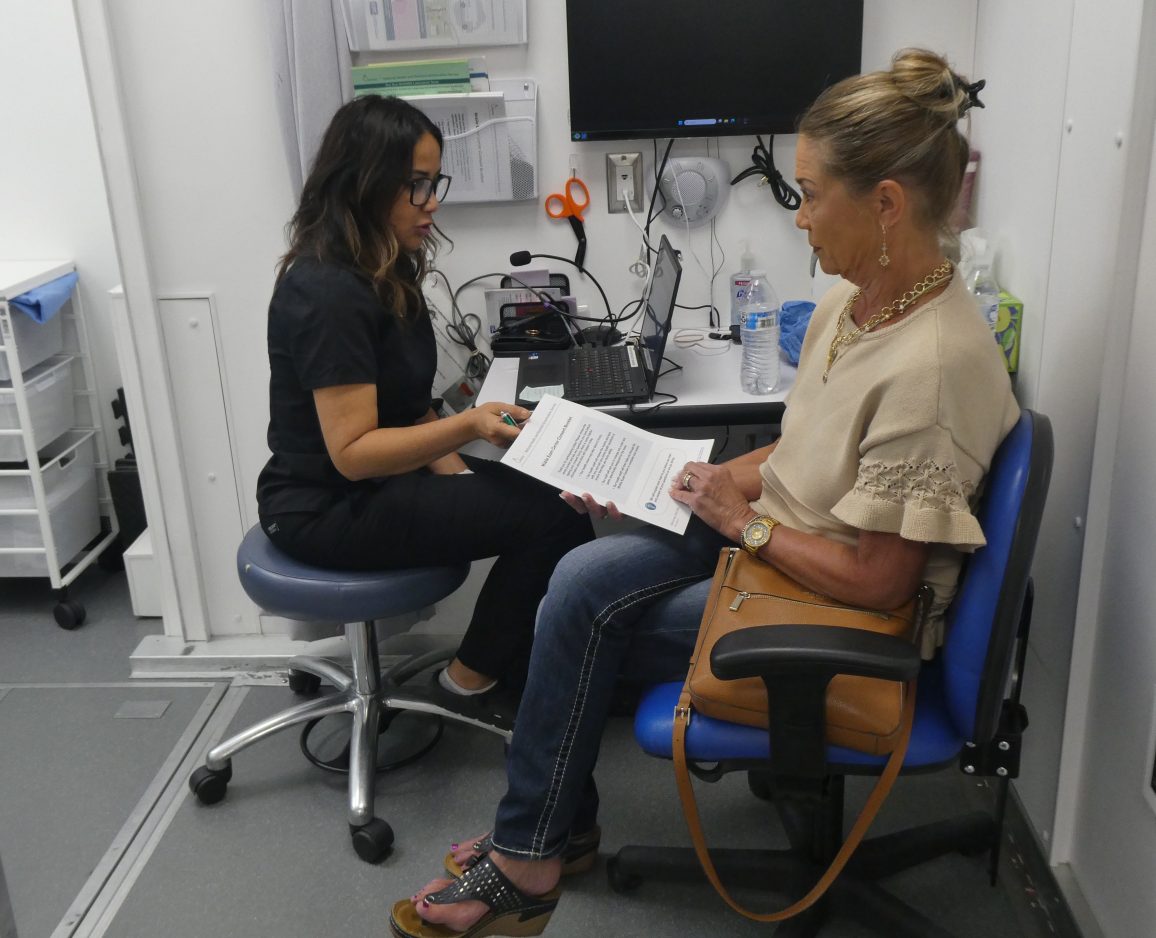
Once a household responds affirmatively to the mailer, a NHANES staff member will contact them to conduct a telephone interview regarding their dietary choices, and arrange a date for a further in-home interview.
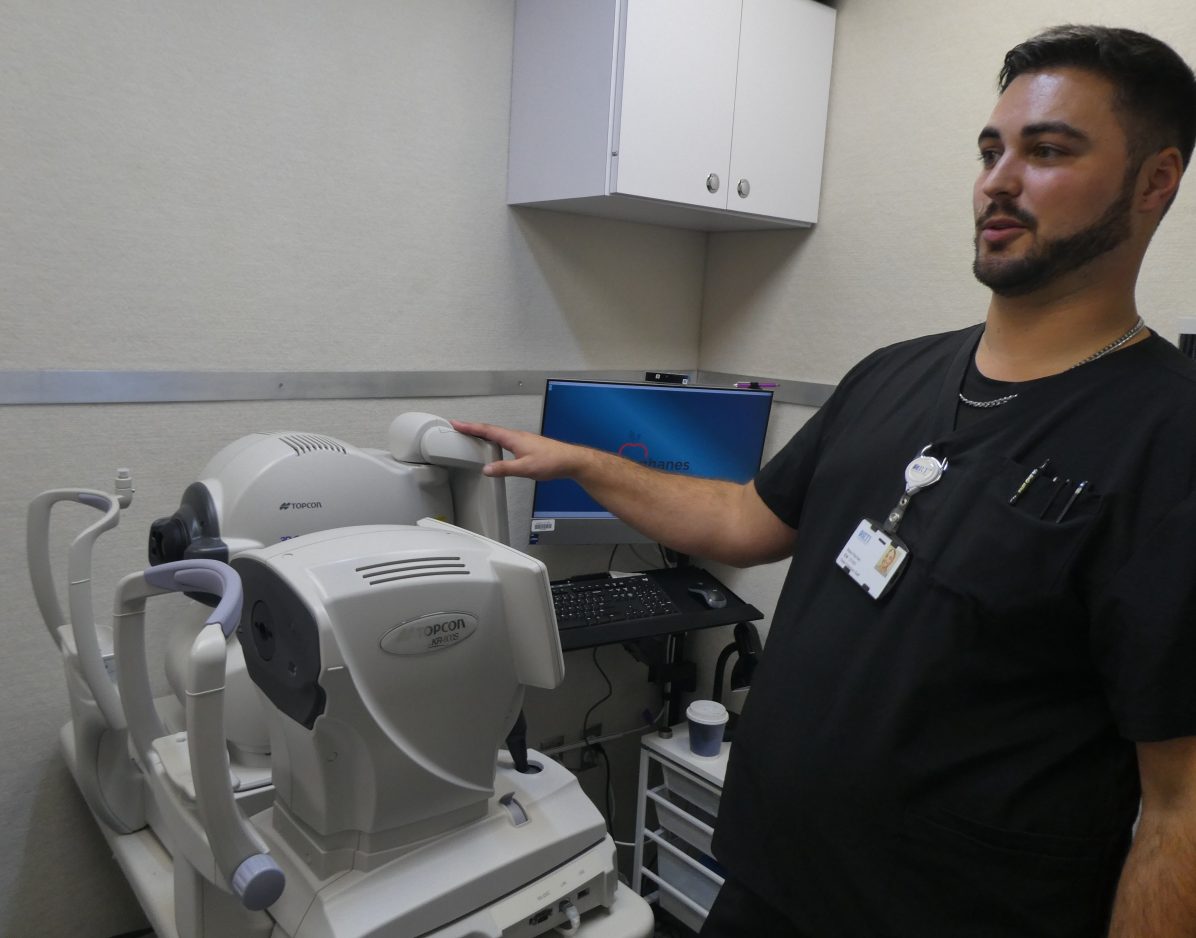
Finally, the participant stops by their local Mobile Exam Center for a range of clinical tests, including height, weight, visionm, hearing, bone density, blood pressure, and a battery of tests on blood and urine samples.
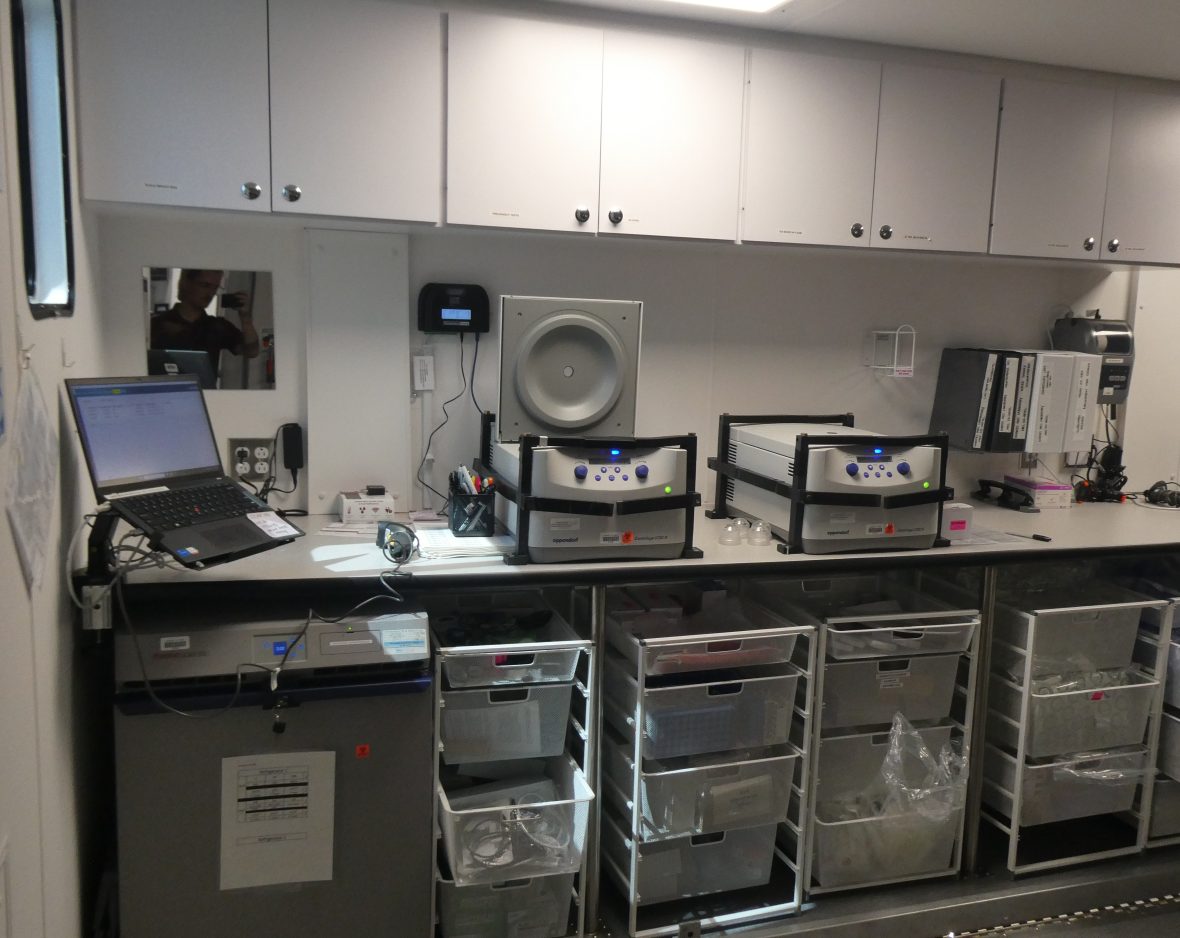
Since the vast majority of sample testing is conducted on-site, most participants will receive their survey results the same day, Green-Ross said.
Participation is fully voluntary, and each respondent is paid for their time, typically between $40 and $100.
NHANES Biomedical Equipment Specialist Blake Patchen said that many seniors agree to participate in the survey since their insurance may not cover more extensive exams like the bone density scan, which can be a critical intervention to flag conditions such as osteoporosis.
Receiving what is essentially an in-depth health report for free is typically a major selling point in encouraging public participation in the survey, he said.
Green-Ross said that NHANES staff specifically avoid asking participants about their citizenship status, since many people already have a degree of anxiety about submitting themselves to examinations by a large federal agency and this question could cause further stress.
Collected data is anonymized to protect the privacy of the participants, she said, and is collated into broad national metrics, not specific results for each survey area.
Green-Ross encouraged households who received a mailer to “not throw it out; we’re not a scam or anything, and we’d love for people to participate in the survey.”
Further information on the survey, and previous survey results can be found online at https://www.cdc.gov/nchs/nhanes/about/index.html