

The eagle has landed: Rare harpy eagle finds a new home at National Aviary
Rare harpy eagle finds a new home at National Aviary
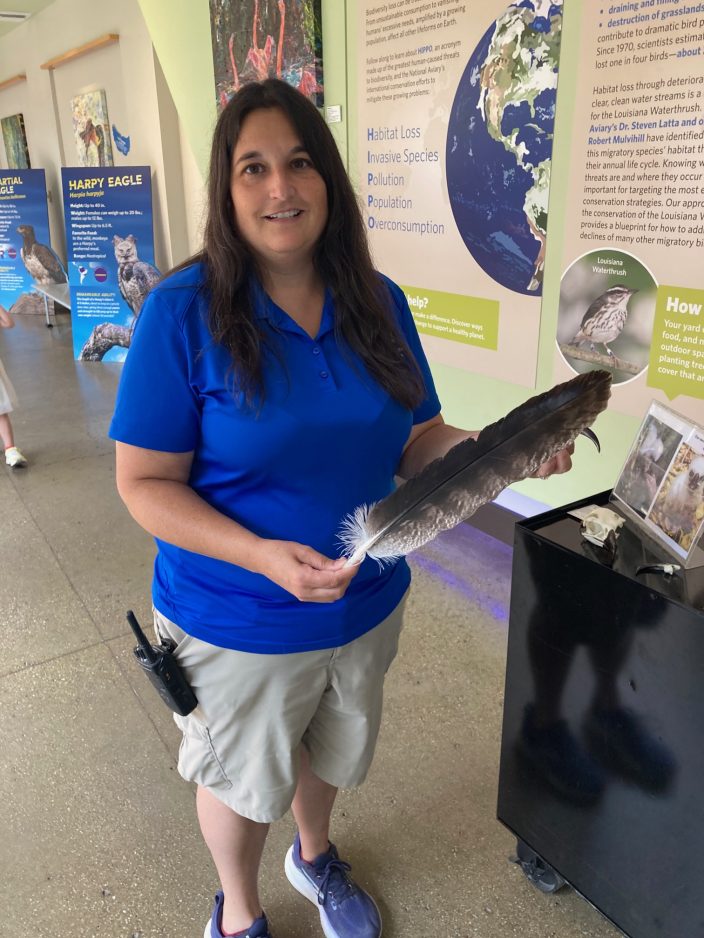
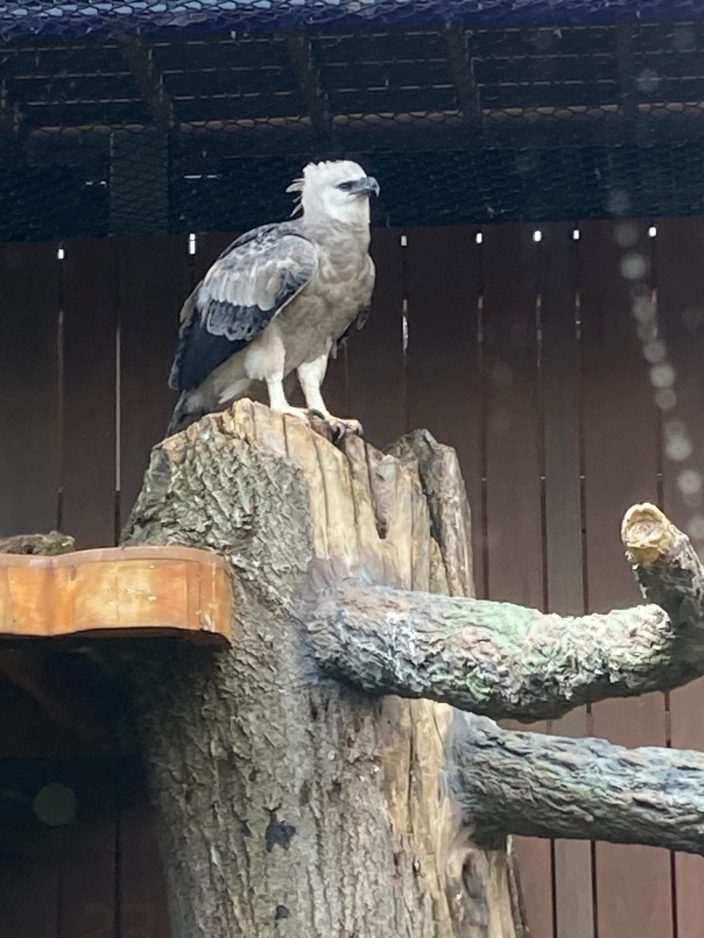

PITTSBURGH – A new resident has arrived on Pittsburgh’s North Side, and she’s living the life.
She came to town from Miami in May, and has her own comfy space and hordes of admirers. Free, nutritious food is available on a reliable basis, there are plenty of activities and no-cost health care is provided swiftly at the first sign of a problem.
The newcomer’s name is Dariena. And she’s a bird.
Well, not just any bird, but a rare harpy eagle, one of only a handful in the United States. She’s joined by more than 500 other birds at the National Aviary who are also living in the lap of avian luxury.
“For birds, it’s like a five-star resort,” said Cathy Schlott, the director of animal programs and experiences at the National Aviary. “All of her needs are met. We’re on call 24/7.”
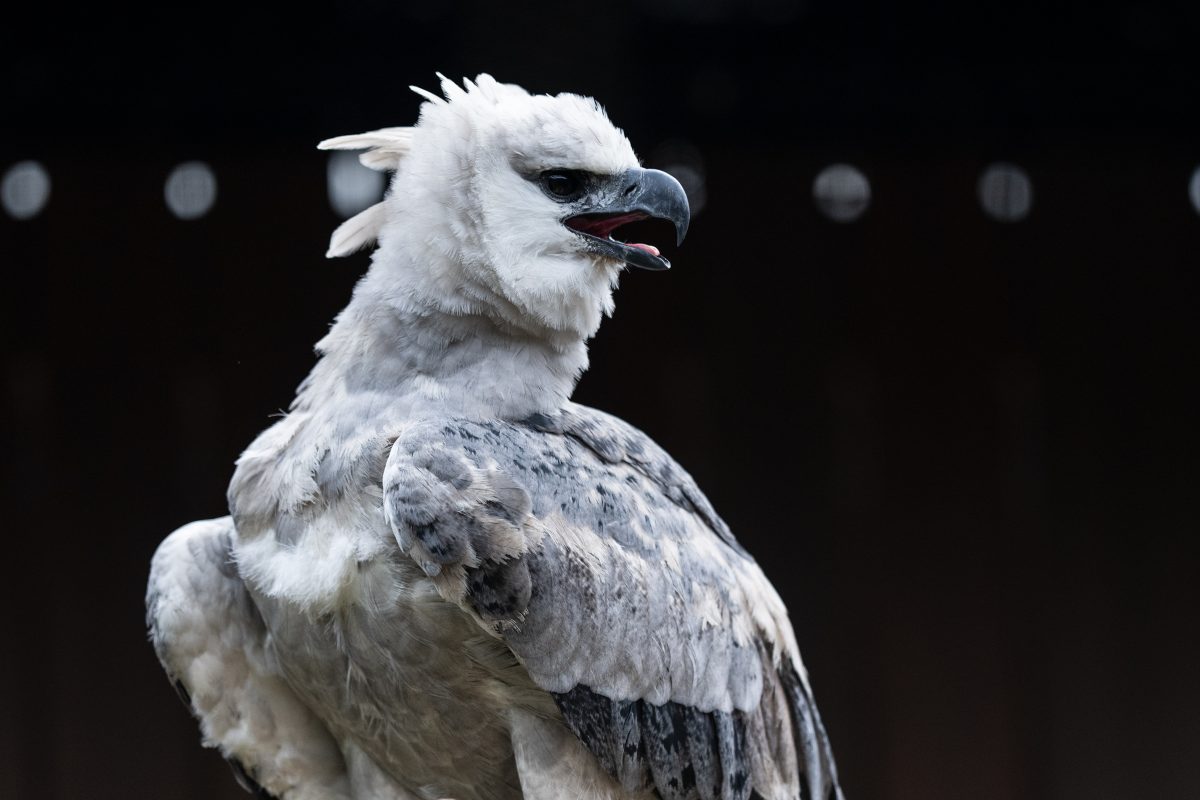
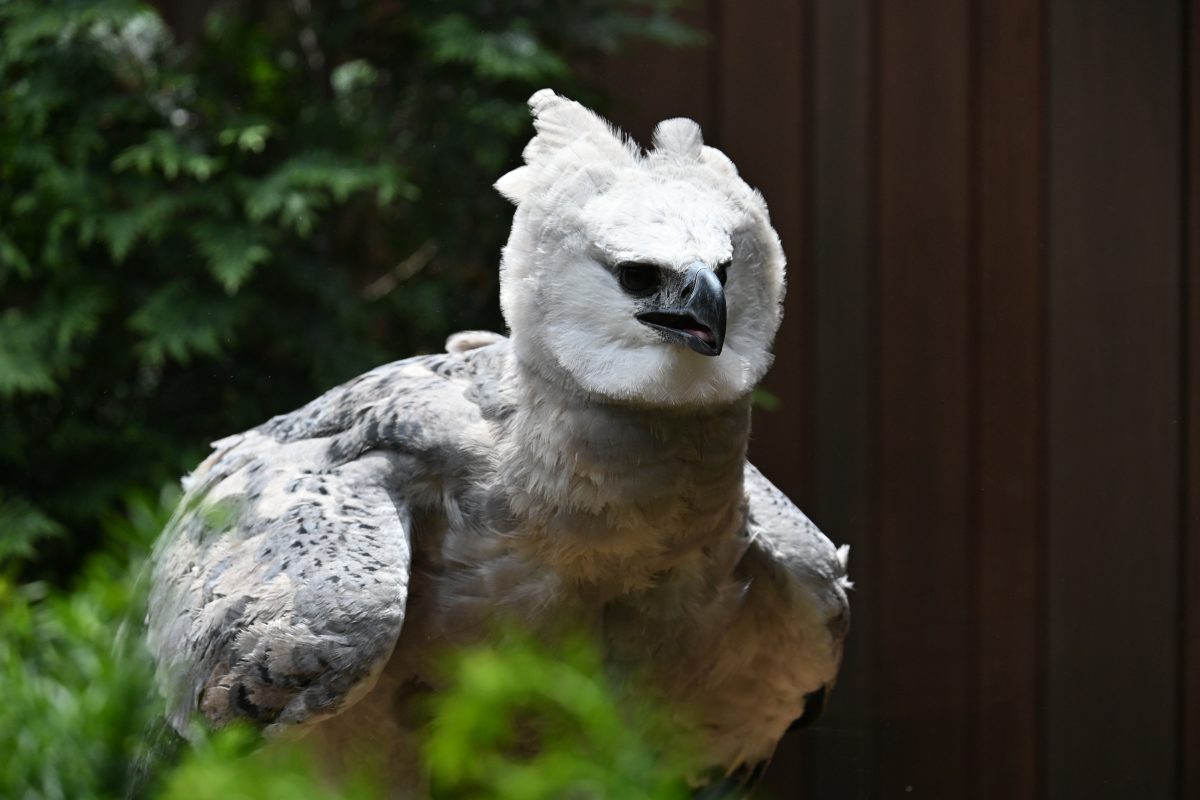
Just how unique is a harpy eagle like Dariena? There are only 15 or 20 like her in this country, all at zoos and brought from their native habitat, which stretches from southern Mexico into Central America and South America. They are most likely to be encountered in rainforest-like conditions, with many concentrated in Brazil. Their favorite foods are sloths and monkeys, and they are not to be trifled with – their wingspan can stretch up to 7 feet and their talons are the largest of any kind of eagle and as big as a grizzly bear’s. Their face is like an owl’s.
Nevertheless, they like to interact with people, as Schlott pointed out, and Dariena will occasionally come over to the glass that separates her from the National Aviary’s visitors so they can get a closer look at her and her black and white feathers. At the same time, though, harpy eagles are solitary and “live by themselves,” Schlott explained, and they don’t mind it.
“People tend to put human emotions on animals,” she said.
Harpy eagles are tough customers, but they have become vulnerable as a result of climate change, deforestation and hunting. It’s believed that there are about 100,000 to 200,000 in the world, and while that might seem like quite a few, consider that there are at least twice as many bald eagles in North America. Harpy eagles are on the list of threatened species compiled by the International Union for Conservation of Nature.
“I tell people you have to come see her for yourself,” said Meagan Hinds, director of marketing and communications at the National Aviary. “It’s awe-inspiring.”
The National Aviary is open daily from 10 a.m. to 5 p.m. For information, go online to aviary.org.