

Southpointe conference explores AI, energy
Data centers also topic of discussion
CECIL – What will data centers that fuel artificial intelligence be like five years from now?
“I have no idea,” said Brian Gallagher, of the national law firm Steptoe and Johnson. “You see how this has evolved in the last couple of years. Five years is a lifetime. Where does the technology go? Who knows what a data center will look like five years from now.”
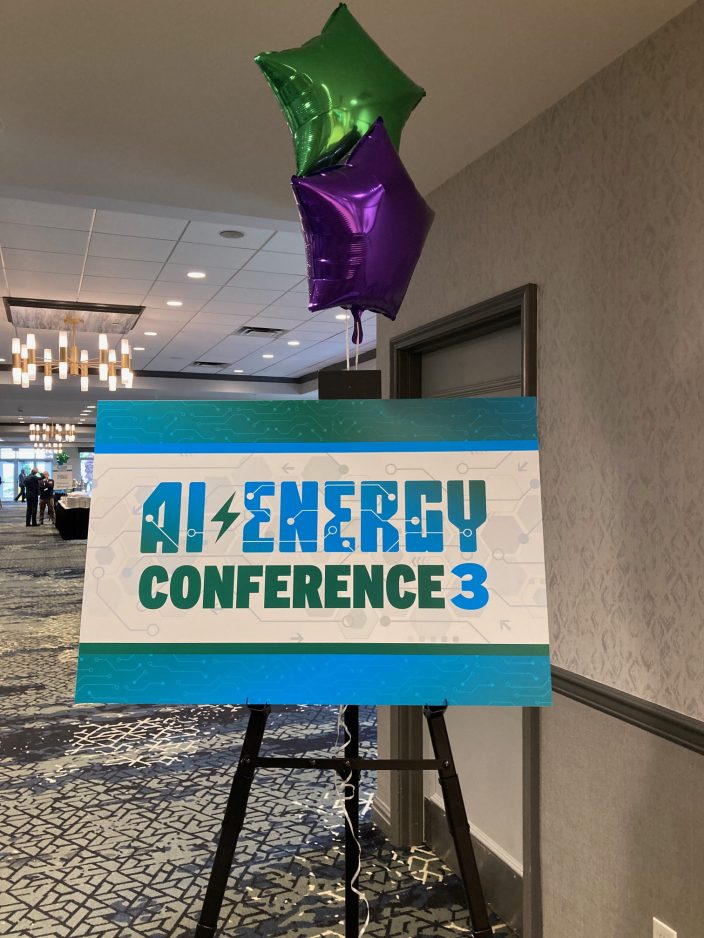
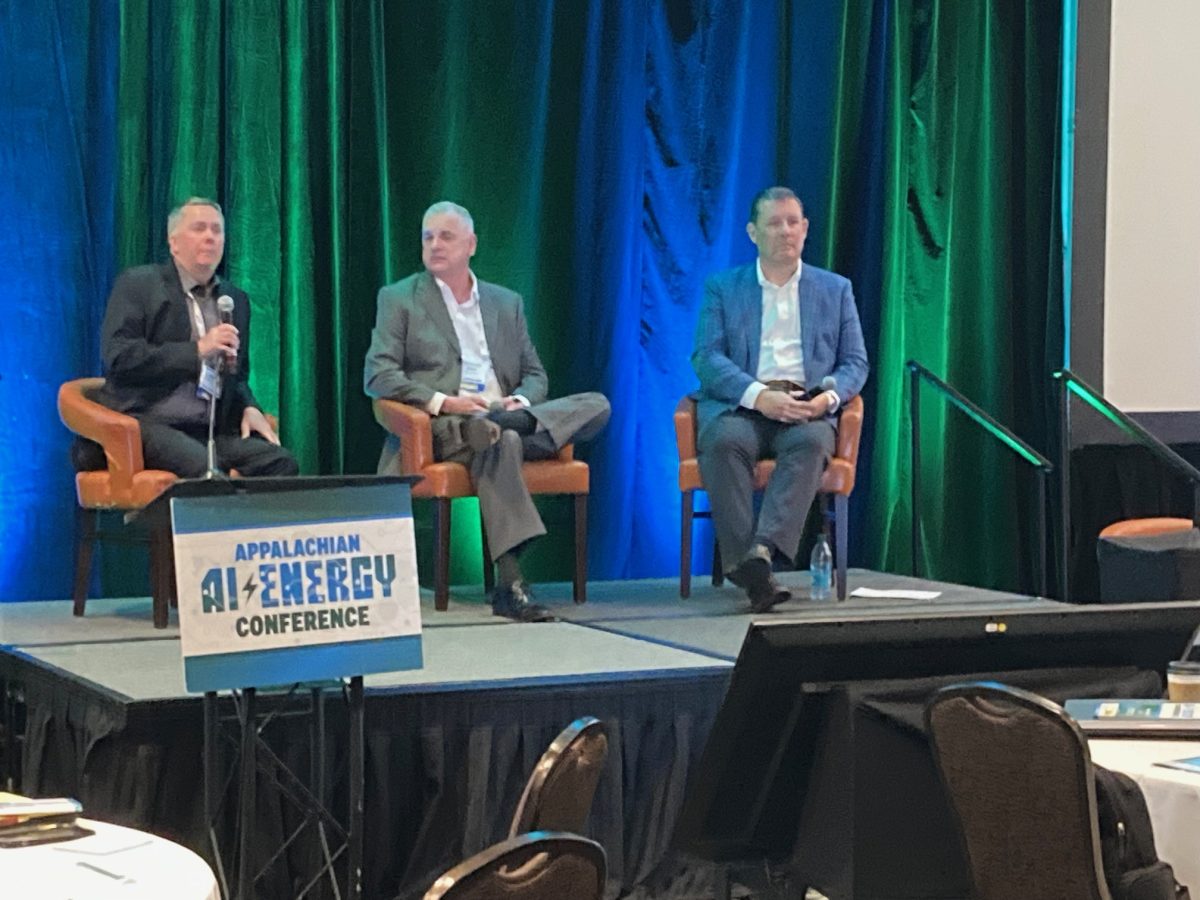
Questions like these were hashed over Thursday at Southpointe’s Hilton Garden Inn during the AI Energy Conference. Organized by the company Shale Directories, panelists looked at issues surrounding data centers, including how communities respond to them.
Gallagher was a participant in a panel on that topic that was moderated by Jeff Kotula, president and CEO of the Washington County Chamber of Commerce and Tourism Promotion Agency. Also on the panel was Mark Vandegrift, president and CEO of Innis Maggiore, a Canton, Ohio-based marketing and advertising agency.
Data centers have become a flashpoint in Washington County and many other communities around the country over the last couple of years. In many locations, residents have spoken out vehemently against them, expressing concerns about their environmental impact, due to their size and the amount of electricity and water they consume. Opponents of data centers have also cited potential increases to their utility bills.
A survey taken by Gallup in March found that only 7% of those polled strongly favored the construction of data centers in their communities, with 48% strongly opposed. An additional 23% were somewhat opposed, while the remaining 20% were somewhat in favor.
Kotula, Gallagher and Vandegrift argued that such worries were misplaced, and stoked by online misinformation.
“There are misconceptions about what it is,” Gallagher said. “Most people just want information. They want to feel like they’re getting honest information.”
He added that local concerns “have to be addressed and taken seriously,” and that the local officials who ultimately decide whether to give a thumbs-up or thumbs-down to a data center “have to look their neighbors in the eye and say they did the right thing.”
“Having all your ducks in a row is very important,” Gallagher added.
Vandegrift said that “listening is the best thing to do” when allaying community concerns. He said that some will dig in their heels, and others are open to persuasion.
“It’s like a teenager,” he said. “If a teenager is walking away from you, you can’t have a meaningful conversation.”
Gallagher admitted, however, that sometimes companies looking to build data centers have stumbled when it comes to community relations, and it has “maybe not been the priority it should have been given.”
Other speakers at the conference included Washington County Commissioner Larry Maggi and Kevin Miller, the commercial development officer for Pennsylvania U.S. Sen. Dave McCormick.