

Barring a legislative fix, businesses need to remove skill games devices by next week
Barring legislative fix, businesses need to remove skill games devices by next week
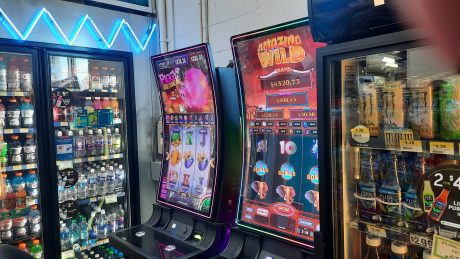
Unless the General Assembly comes through with an 11th-hour fix, proprietors of any business or establishment that have so-called “skill game” devices have until next week to remove them.
The devices have been present in a variety of everyday locations across the state for years, including laundromats, gas stations, fire halls, taverns and social clubs. The order to remove the devices comes four months after the state Supreme Court ruled that skill games are, in fact, slot machines as defined in Pennsylvania’s Gaming Act, and that only licensed casinos and qualifying licensed truck stops can operate slot machines and video gaming terminals.
Unless the machines are gone by Oct. 14, a week from Wednesday, businesses and establishments with the machines will be subject to prosecution.
In a news release, Attorney General Dave Sunday said, “We do not want to see searches and seizures at storefronts or bar, social club and restaurant establishments – we would much rather business owners and social clubs comply with the law and take steps to get these illegal devices out of their places of business.”
Sunday continued, “Collaborating with our law enforcement partners, my office will act in accordance with the law which prohibits these machines outside licensed gaming facilities.”
Officials have also pointed out that simply pulling the plug on the devices is not sufficient to comply with the law. Pennsylvania State Police has recommended that businesses or establishments contact the distributors or vendors who own the machines and discuss removing them from the premises. If a distributor or vendor refuses to remove the machines, the state police say they should be contacted.
Some of those skill game vendors are bracing for “doomsday” ahead of the upcoming enforcement deadline, according to Joe Rocca, the owner of Pittsburgh-based Rite Touch Distribution.
When the Pennsylvania Supreme Court announced its decision regarding the status of skill games on June 16, Rocca felt “absolutely shocked.”
“We were shocked because for over 12 years we had lower court rulings that said they were skill games, not slot machines,” he said.
Rocca contends that while the skill game terminals offered by his company may look similar to regulated slot machines, they play “totally different,” and represent a distinct experience from casino gambling.
He also said Rite Touch’s revenue has fallen off a cliff since the Supreme Court ruling was announced earlier this year.
“We haven’t earned as much as a quarter since June, and now I’m pretty much paying my guys to sit around and do nothing and wait for doomsday,” he said.
Rocca estimates that there are over 100,000 skill game terminals from a variety of manufacturers active across the commonwealth, which would create substantial logistical hurdles if they are ultimately removed. These terminals often weigh upwards of 350 pounds, and it would be “absolutely impossible” to remove a meaningful amount of the currently in place terminals within a short time as the deadline approaches, he said.
Rite Touch plans to remove its terminals ahead of the enforcement deadline out of an abundance of caution, and will wait to see if the Legislature intervenes in the meantime.
Rocca called the situation “absolutely ridiculous,” saying that the court ruling and upcoming enforcement effort have “devastated” his business.
“We’re in an exit strategy now,” he said.
Duluth, Georgia-based Pace-O-Matic, which develops operational software for skill game terminals, remains “hopeful” that Harrisburg will step in to minimize the potential economic fallout from skill game enforcement, according to a release.
“We hope lawmakers will pass a fair and commonsense skill game regulation bill because a disruption of skill game revenue will harm American Legions, VFWs, volunteer firefighters, fraternal groups and small businesses,” said Pace-O-Matic spokesperson Jeanette Krebs. “Some places say they will lay off employees, others will close their doors. Community programs will also be in a crisis when these organizations and businesses can no longer afford to donate to them.”
Krebs said the company will comply with the court’s ruling and disable terminals using their software ahead of the deadline.
“We have been clear since the Pennsylvania Supreme Court’s June 15 ruling: We will comply with the Court’s deadline and with Pennsylvania law. Our operators and the locations that host Pennsylvania Skill games understand our position and are prepared to take the necessary steps if the deadline passes without legislation,” she said.
Some businesses and nonprofits say the machines and the revenue they generate are necessary to fill gaps in their budgets. The Pennsylvania Licensed Beverage and Tavern Association said in a social media post that the loss of skill game devices would be a “gut punch” to family-owned bars, taverns and licensed restaurants.
It also said “the skill games issue has been lingering for years” without meaningful legislative action.
Some measures that have been introduced in Harrisburg would tax and regulate the devices. One bill that remains in committee would place a six-month pause on enforcement.