

Road to revival
Community leaders building momentum to return visitors to region\'s downtowns
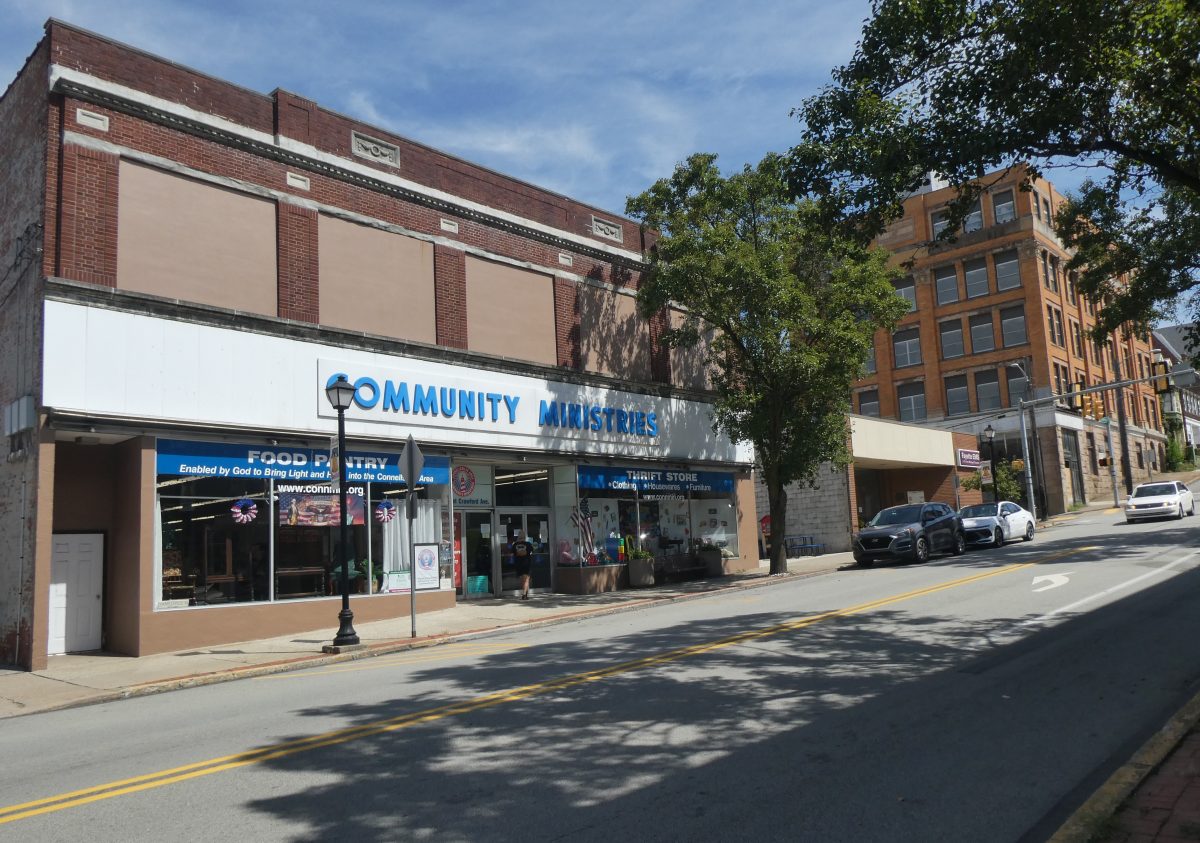
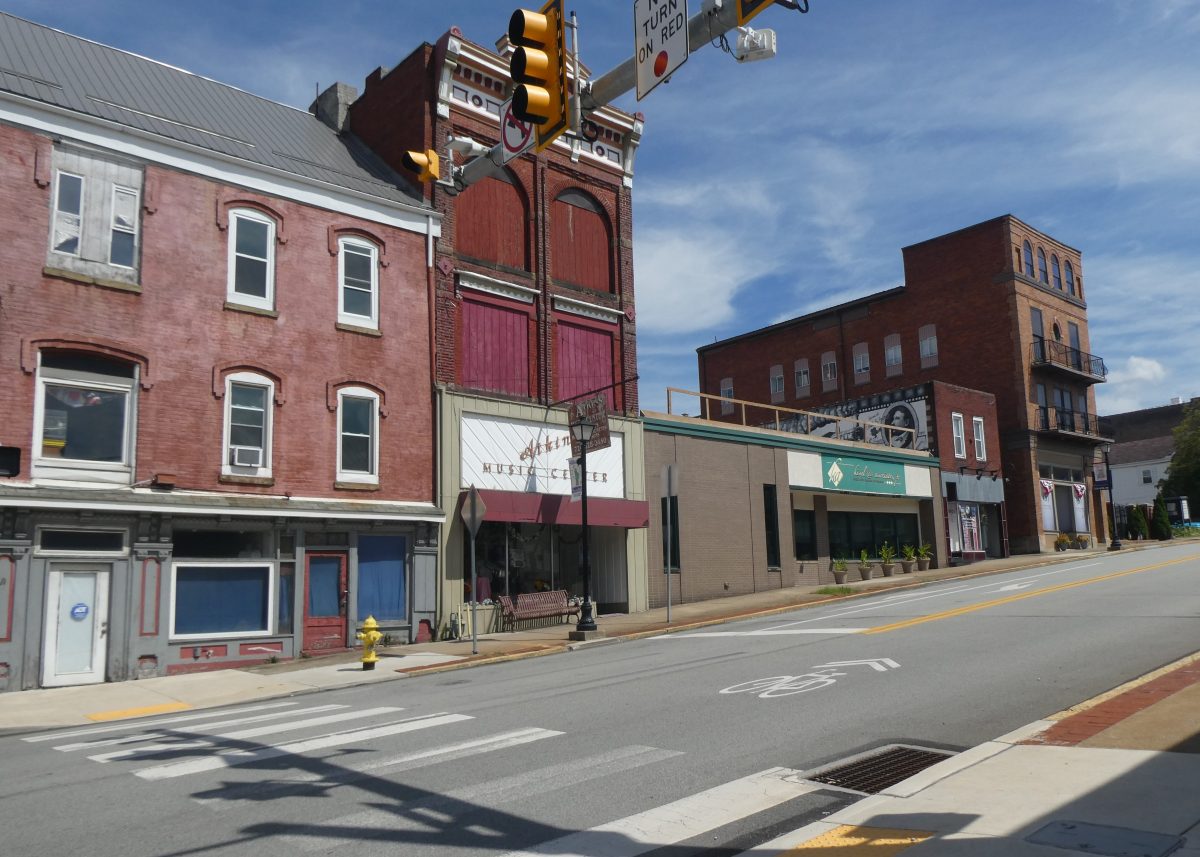
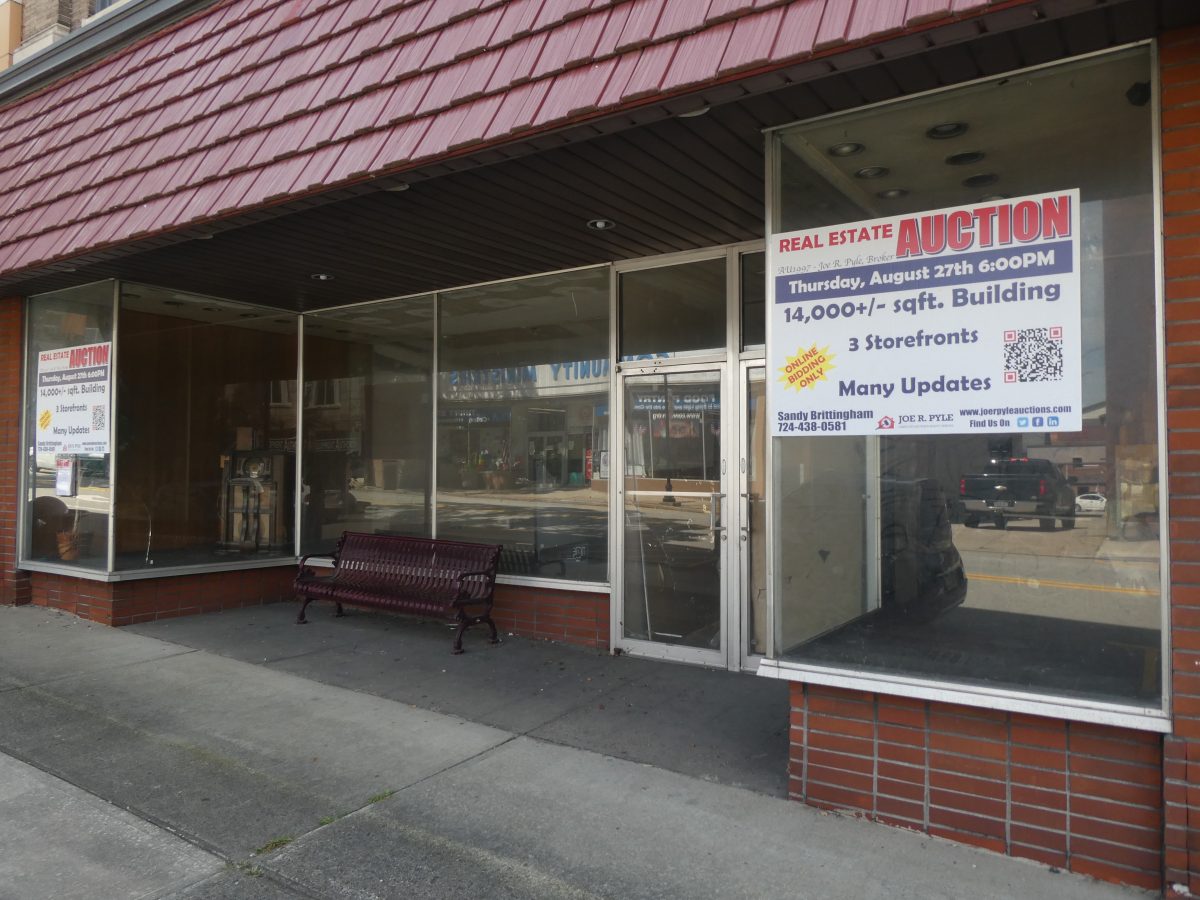
When the Fayette County Cultural Trust launched the Downtown Connellsville economic development program in the 2000s, up to 85% of storefronts within the town’s urban core lay vacant.
Now, the downtown boasts an occupancy rate over 95%, with more businesses eagerly awaiting new retail space to open up, thanks to a sustained investment, marketing and redevelopment effort, according to Fayette County Cultural Trust Executive Director Daniel Cocks. “It’s a good problem to have, not having the space to put new businesses.”
The initiative led by Downtown Connellsville is emblematic of the myriad economic development programs playing out in downtowns across Southwestern Pennsylvania, with varying degrees of success.
Cocks credits a tight-knit group of local businesses, dedicated residents and county economic development professionals for the steady growth in Connellsville’s downtown over the past two decades.
“The revitalization is driven by regular business owners, volunteers and partners that believe that our city deserves a strong future,” Cocks said.
Downtown Connellsville has used funding from state and local grant programs to install bike racks, benches and trash cans along the Crawford Avenue corridor, designed to make the space more aesthetically welcoming.
It also used grant funding to help local business owners repair the facades on their buildings.
Connellsville is one of the few towns in the region that is traversed by the Great Allegheny Passage multi-use trail running from Cumberland, Maryland, to Pittsburgh, bringing thousands of visitors each year.
“It’s a huge draw,” Cocks said.
Downtown Connellsville has capitalized on this proximity by promoting the town as the premier rest stop for through hikers and cyclists with sizable ad placements in the Great Allegheny Passage trail guide and GO Laurel Highlands publications.
The group even worked with cfsbank to install a water bottle filing station outside their new location in town specifically for bikers who stop in town.
“Even banks are jumping on the bandwagon,” he said.
The trust has also partnered with the University of Pittsburgh and PennWest California to offer a range of no- and low-cost classes for Connellsville residents at the new Fayette Entrepreneurial and Educational Center, with plans to expand the space to include a black box theater for community productions.
“Connellsville is not waiting for someone to come rescue it,” Cocks said. “We are creating our own future now, one business, one building at a time.”
Uniontown sees need to adapt to change
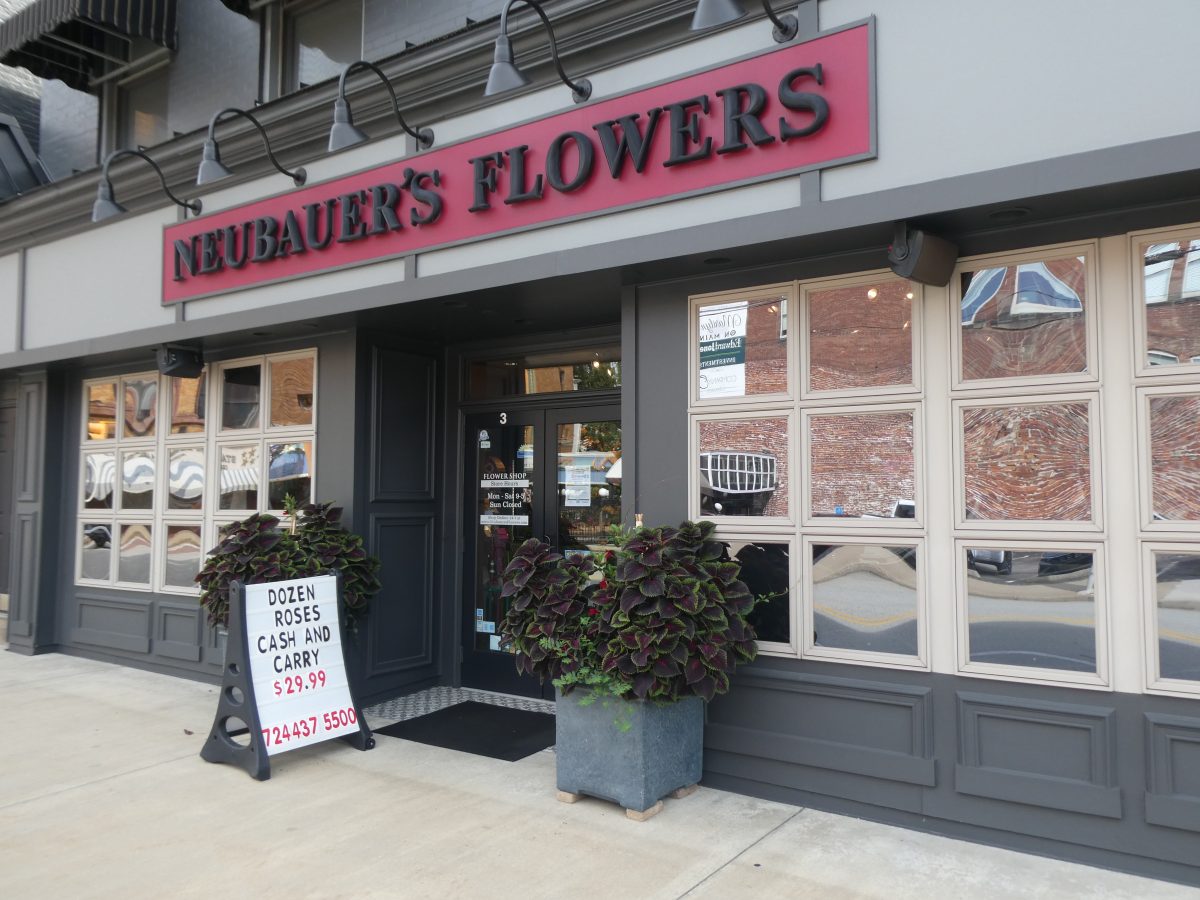
To Joe Neubauer, chairman of the Uniontown Downtown Business District Authority (UDBDA), the businesses that have been most successful in attracting and retaining pedestrian traffic are those that can adapt to changing conditions.
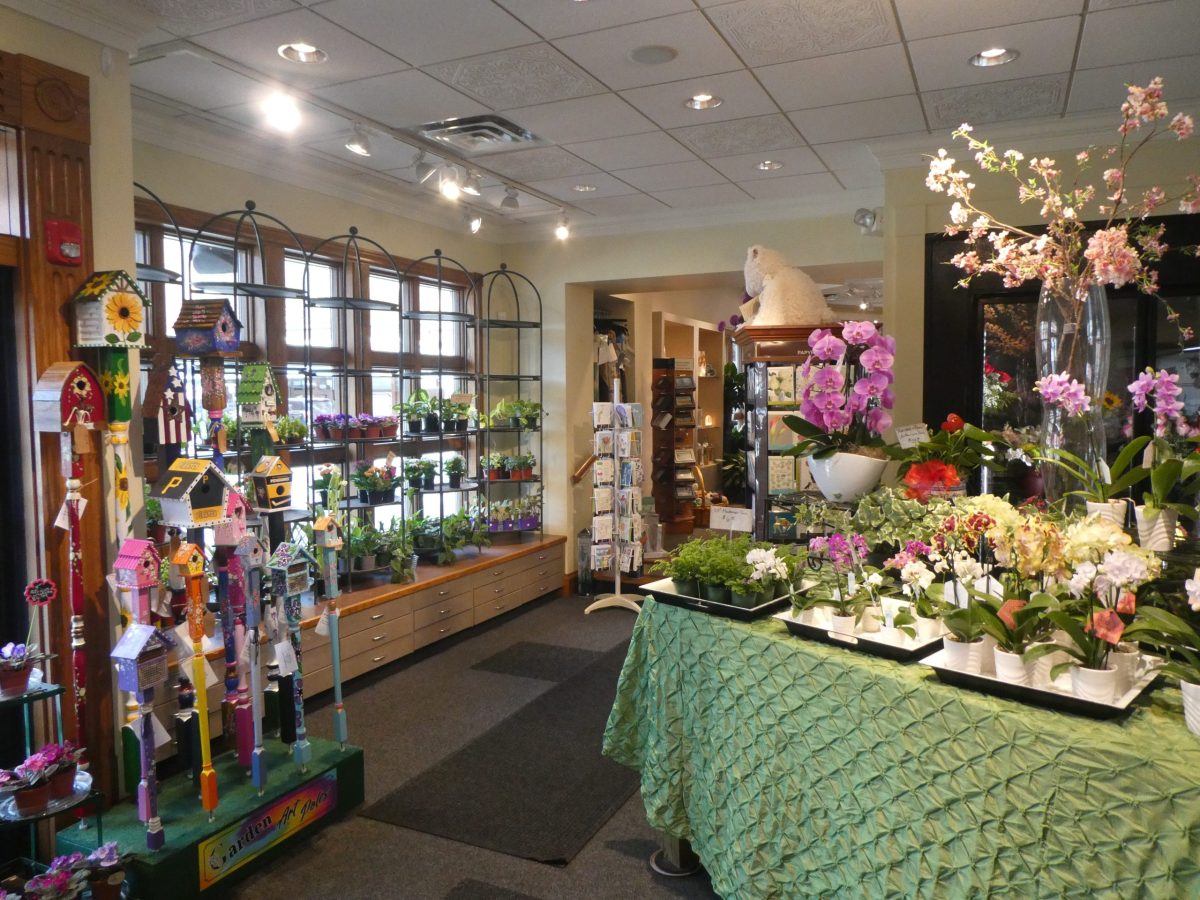
The vice president of Neubauer’s Flowers said that while the family business has maintained its core values over four successive generations, the broader retail environment has changed dramatically over the past 20 years.
Neubauer said the growth of the Uniontown Mall through the 1970s, ’80s and ’90s drew customers away from the traditional retail hub of downtown Uniontown, and the proliferation of accessible e-commerce from the 2000s onward has led to a decline of the mall, which now has a number of vacant storefronts.
Neubauer said there is still a place for traditional retail, as seniors prefer shopping in-person versus online. Many younger people prefer the e-commerce experience, he said, so businesses need to adapt their offerings to capture this growing demographic.
He said his business has seen growth in promoting more Facebook and other social media platforms, as these methods tend to reach a different demographic of customers.
Some proprietors in the city have not been as successful.
“It’s heartbreaking seeing (small businesses) try to make it, and they make it for a few months then close,” Neubauer said, “I think it’s due to online retail being so ubiquitous.”
The authority has worked to highlight local businesses and interesting landmarks in Uniontown in marketing efforts to some success.
The group has also applied for a number of state and local grant programs to secure funding for downtown infrastructure improvements, including rehabilitating an aging parking garage in the city.
Neubauer hopes that if successful in securing funding, the improved garage would help drive more shoppers to city businesses, as finding easy parking downtown has been a long-term complaint.
The authority also plans to develop a connector to the 34-mile Sheepskin Trail to allow more outdoor enthusiasts to access retail and restaurants in town.
“We’ve got some irons in the fire,” Neubauer said.
Events bring results in Canonsburg
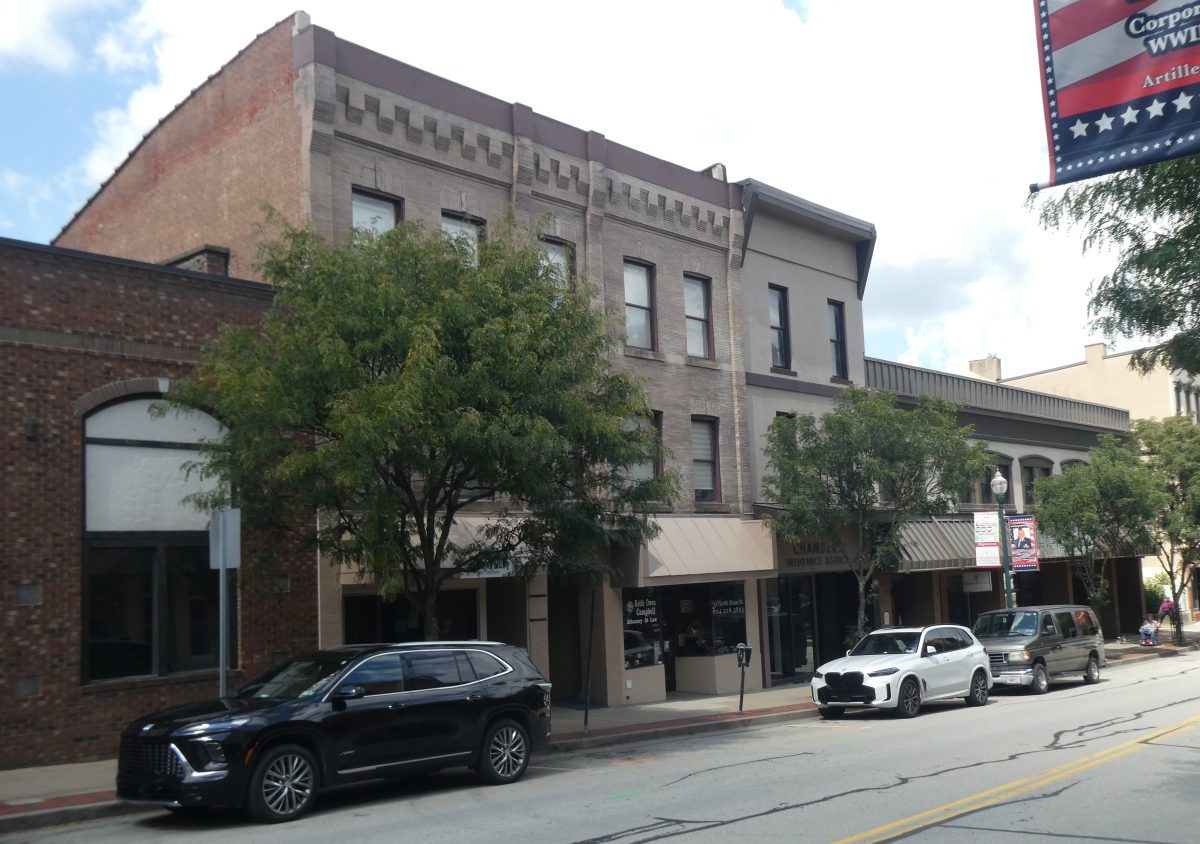
In neighboring Washington County, the Canonsburg Downtown Merchants Association has bet big on a packed itinerary of local events to drive downtown business, with strong results so far.
In addition to longtime staples such as the Fourth of July Parade, Oktoberfest and Canonsburg’s Old Fashioned Christmas, the Canonsburg Downtown Merchants Association (CDMA) has introduced Thursday Night Markets, Sidewalk Sales and First Friday events since the association’s formation in 2024.
CDMA President and Shabby Chic Nail Boutique Owner Darci Scarff “saw the potential” within Canonsburg and purchased a 100-year-old former church building on North Jefferson Avenue and transformed it into her nail salon in 2022.
“I was excited to take on the challenge, restore a piece of Canonsburg’s history and become part of its future,” she said. “Since then, I’ve seen Canonsburg working diligently to revitalize its downtown. Many historic buildings have been sold, renovated and refaced, giving the town a fresh, welcoming feel.”
According to Scarff, the surge of interest and private investment in local small businesses has brought a “new energy” to the 200-year-old borough.
“The merchants here genuinely support one another, working together to create monthly events that attract customers and increase foot traffic downtown,” she said.
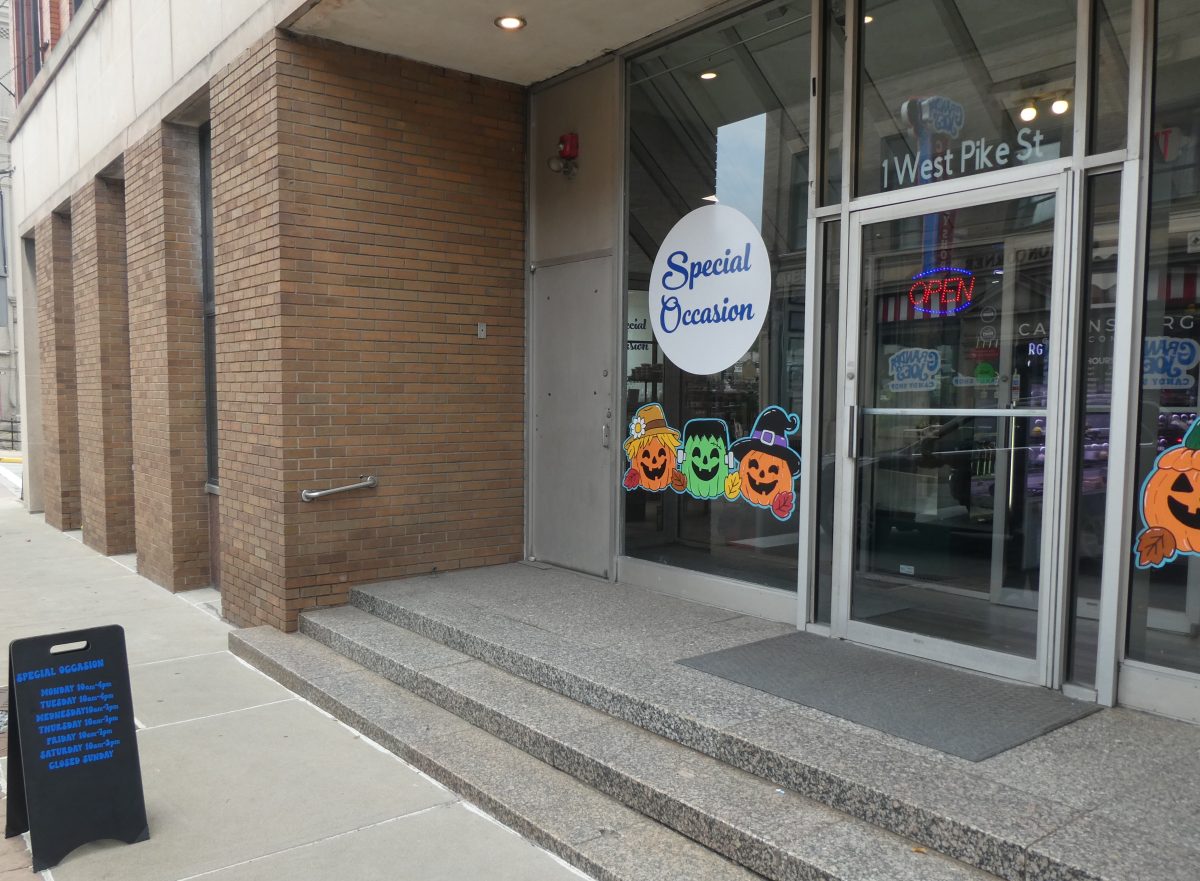
Lisa Fleissner brought her specialty baking and confectionery store Special Occasion back to downtown Canonsburg on West Pike Street in 2022 after several years in the declining Washington Mall following an invitation from Mayor David Rhome.
Since then, Fleissner said she hasn’t had any issues bringing customers into her store.
“There’s never a break,” she said.
Fleissner said the diverse slate of downtown events has helped expose Special Occasion to new customers and provide a regular stream of pedestrian traffic along Pike Street.
These events, and the supportive community offered by the association have contributed to a “warmer feeling” downtown, she said.
The borough is slated to receive another boost of downtown traffic in the near future, as the revitalized Canon Theatre is on track to open in late October.
The Canonsburg Educational and Cultural Institute is positioning the theater to become a premier regional destination for music, theater and comedy performances, with a projected $250 million of total economic impact in the community over the next two decades, according to a recent economic analysis of the project.
“This energy and collaboration will help fuel the success of our small businesses and Canonsburg as a whole,” Scarff said.
Washington tackling blight
In a city with as much history as Washington, managing the past is crucial to building the future, according to Washington Business District Authority Director Bradley Martin.
Addressing blighted properties and improving the look of Washington’s downtown have been longstanding priorities for the authority, Martin said.
This has manifested in a popular facade improvement program funded by Washington County Local Share Account grant funding that has awarded more than $760,000 in total capital to 76 recipients since the program began in 2018, not including 2026 awardees.
The authority also works closely with the city of Washington and Washington County Redevelopment Authority to identify and address blighted properties downtown, creating space for new, modern buildings to be constructed.
Martin said that while there are still some remaining vacancies and blighted properties in the city, local property owners have become more willing to invest in improving these locations in order to attract new tenants.
“It shows that people are putting more effort into downtown,” he said. “It’s a great signal that there are things happening here.”
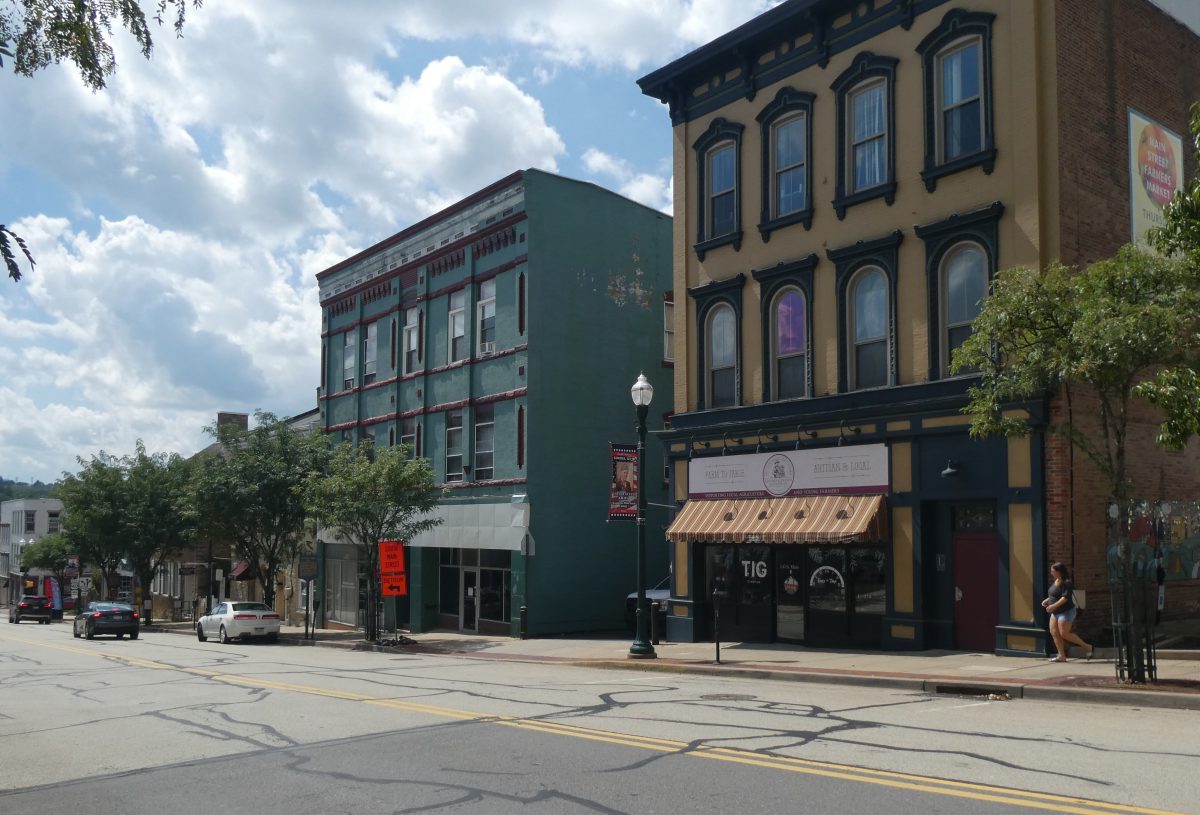
Popular downtown events such as the Main Street Farmers Market held every Thursday from May through October also help attract attention and visitors to city businesses.
Martin said a productive partnership with nearby Washington & Jefferson College will play a role in the continued growth of the downtown economy.
The private liberal arts college that spans Washington and East Washington Borough enrolls more than 1,500 undergraduates, representing a crucial demographic for local businesses.
“Our job is to give them things to do downtown and places to go,” he said.
The authority received a $60,000 award from the Pennsylvania Department of Community and Economic Development in 2025 to develop a “President’s Pathway” corridor between W&J’s campus and downtown, which will officially open in the fall.
Martin said this corridor will help ease students into patronizing downtown businesses, making campus feel more like a part of downtown than a free-floating island.
“Not including the college is a huge misstep we want to avoid,” Martin said. “We don’t want there to be a divide between the college and the city.”
These efforts build a lively, welcoming momentum in the community, Martin said.
This momentum shows that Washington is worth visiting and investing in, which attracts new visitors and business owners to the area that in turn, further builds the momentum and overall growth in the business community.
Martin said the goal is to build on the momentum developed so far.
“We want to continue to invest in downtown, in all the organizations in this area, and all the people you see making progress and getting through,” he said.