

Canon-McMillan to eliminate Chromebooks in primary grades
Decision aims to promote healthy brain development
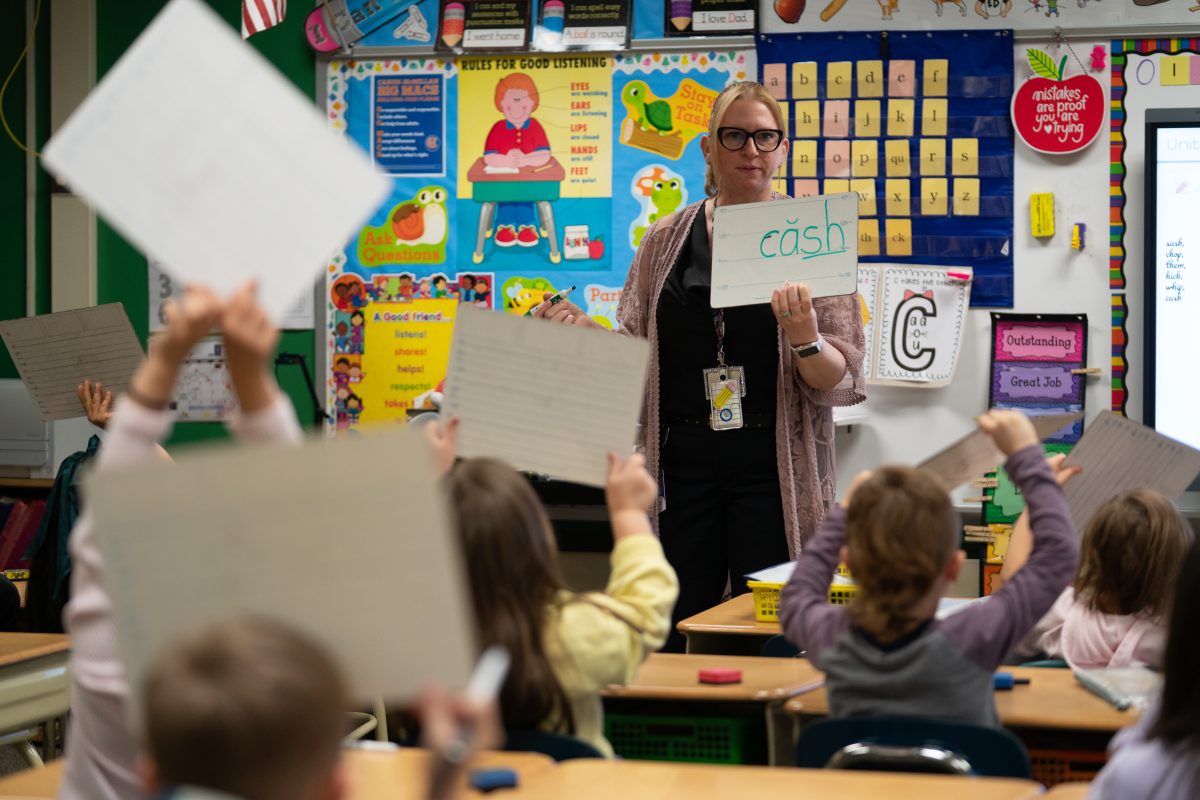
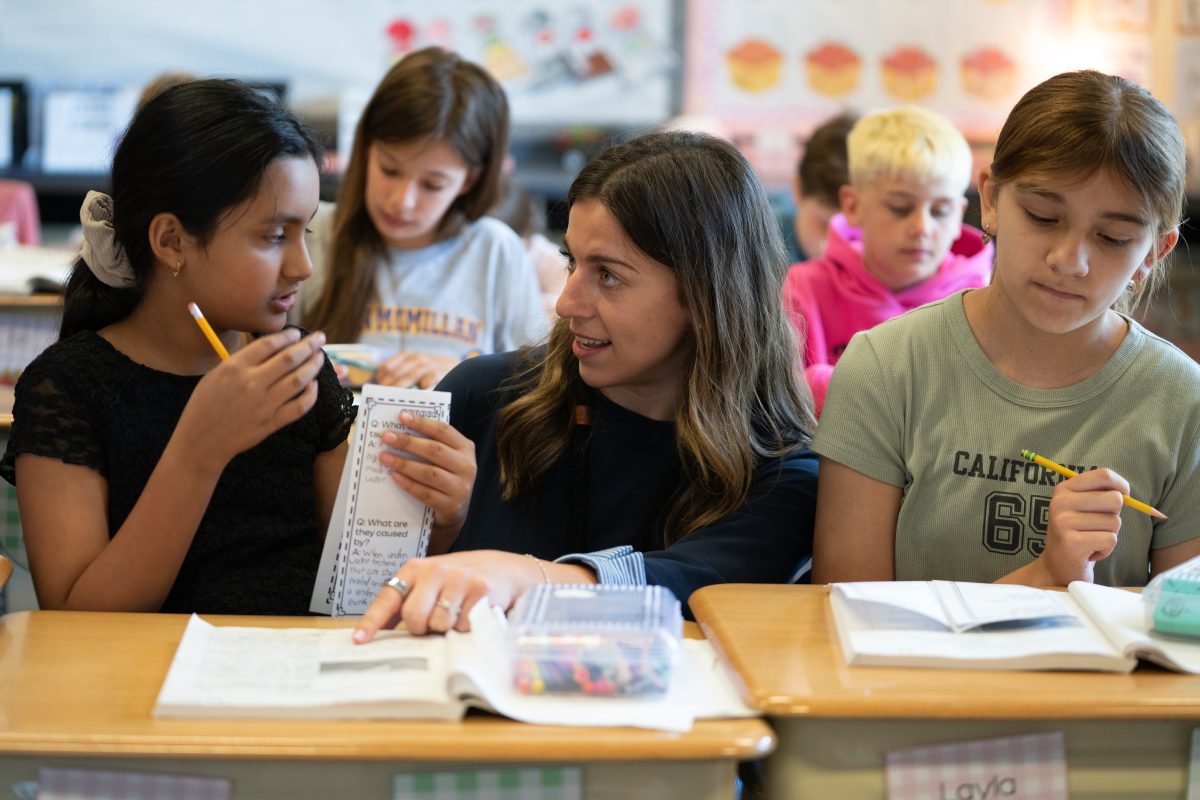
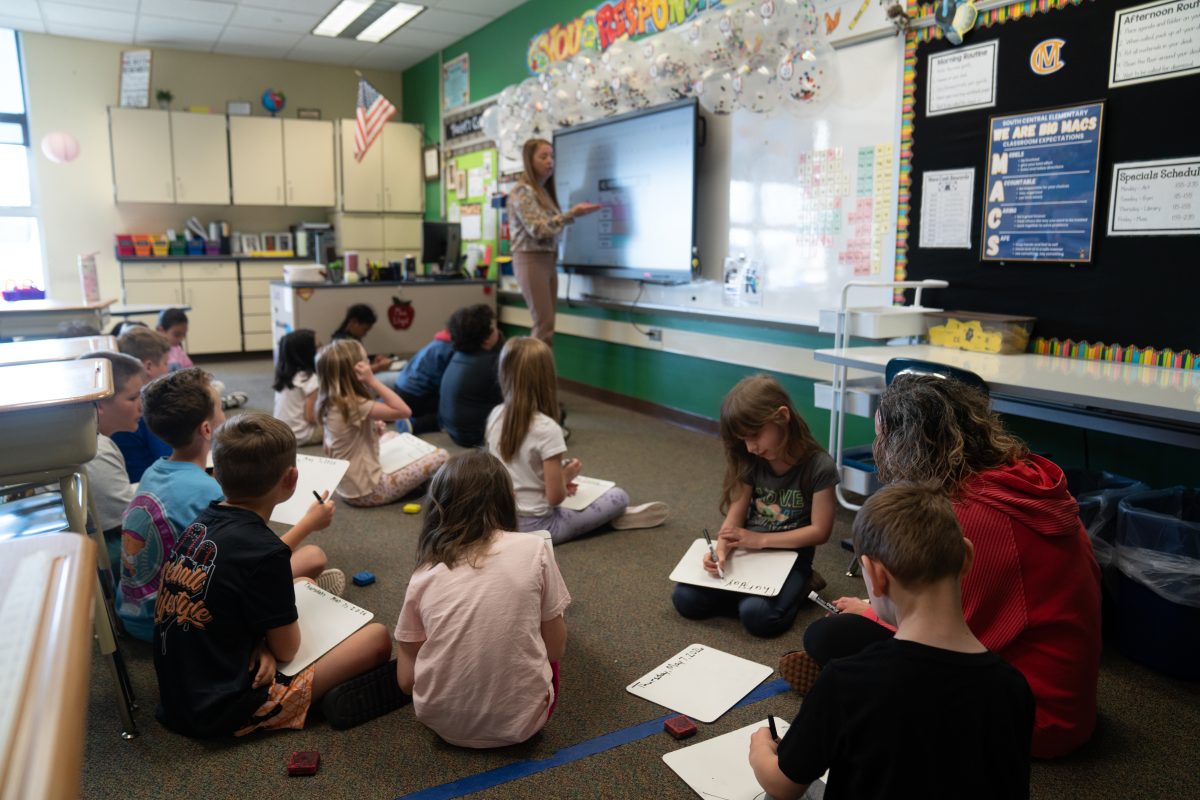
The Canon-McMillan School District is eliminating Chromebook use for students in kindergarten through second grade, beginning in the 2026-27 school year.
“Our stance, and our message to the community, is there is no need for it at that grade level. We can’t control screen time outside of school, but we can control it within our schools,” said Canon-McMillan Superintendent Dr. Gregory Taranto.
The decision, based on mounting research, aims to ensure education – especially early childhood education – does not rely too heavily on technology.
Taranto said the school district is continuing its recent shift back to textbooks and paper-and-pencil assignments, and focusing on student-teacher interaction.
“Studies are clear that excessive screen time leads to all sorts of issues – vision issues, sleep issues, issues with fine motor skills and social skills, and it’s all connected. It’s like dominoes falling: once one area is impacted, other areas are, too,” said Taranto, who has focused for years on the impacts of social media on students and student safety on the internet.
School districts across the United States pivoted to technology during the COVID-19 pandemic, but districts like Canon-McMillan are leading the way in efforts to scale back on the amount of technology adopted during the pandemic.
Taranto stressed the district “is not eliminating technology.” It is relying less heavily on it in order to promote healthy brain development.
Students in grades three to 12 will continue to use Chromebooks, but their use will be reduced.
At the same time, the school district will continue to bolster its technology education program.
Canon-McMillan’s technology program includes artificial intelligence, robotics, coding, programming, and CADD (Computer-Aided Design and Drafting), but students learn those skills in technology classrooms and units.
“Technology is always going to be a part of our life, but we want to be more conscious about when we’re using it and how we’re using it,” said Taranto.
Taranto cited research that strongly supports the idea that students retain knowledge and comprehend texts better from physical textbooks than from computer screens.
“There’s legitimate neuroscience research that shows reading physical books leads to deeper comprehension and better long-term memory for students than reading on screens because the spatial mapping it requires and tactile engagement with the printed page is better than looking at a screen, which is more passive,” he said.
And, Canon-McMillan’s emphasis on traditional face-to-face instruction aims to restore the focus on the teacher and to foster meaningful connections.
He said the district’s teachers have embraced the goal.
“Research shows the No. 1 defining factor in success in student achievement is the teacher. If the teacher is the No. 1 achievement factor, why are we removing the teacher from the equation?” asked Taranto. “If you ask any teacher or educator why they went into teaching, they’ll say it’s because of a teacher who inspired me, or a teacher who made an impact on me. Nobody said they went into education to sit a student in front of a Chromebook.”