

Homicide cases solved after nearly 50 years
DNA leads police to killer of two young Washington women
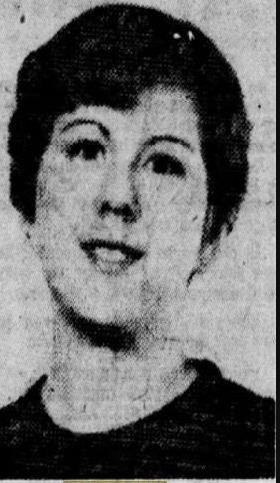
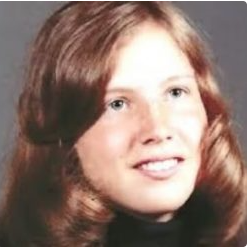
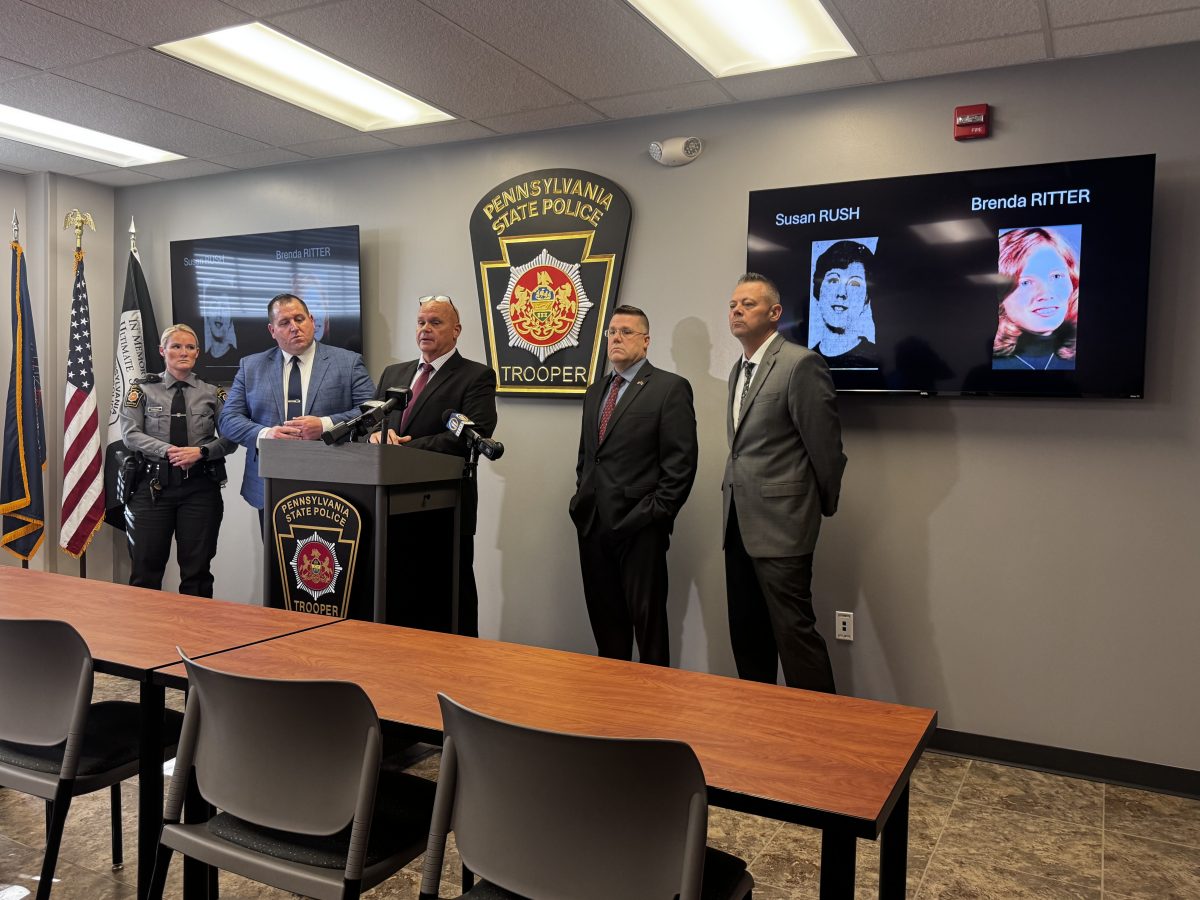
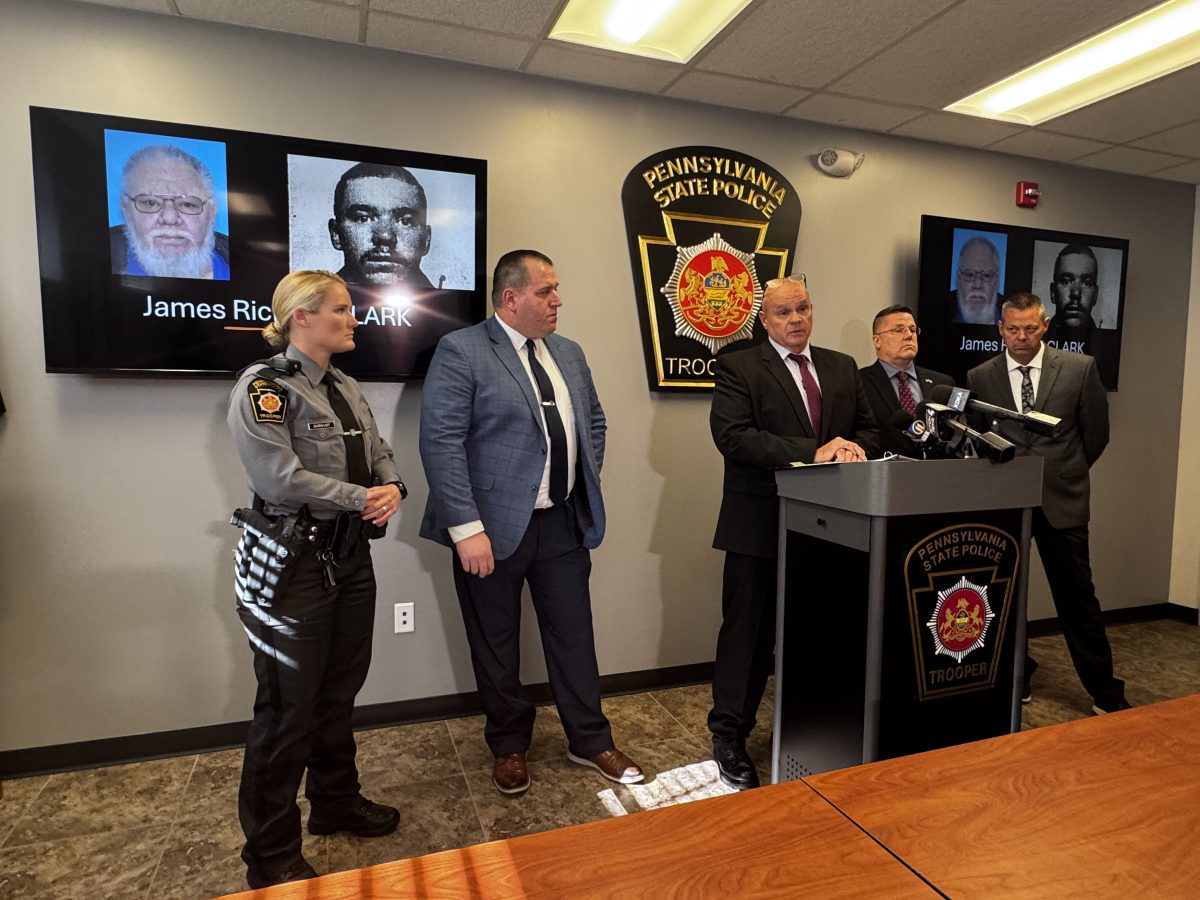
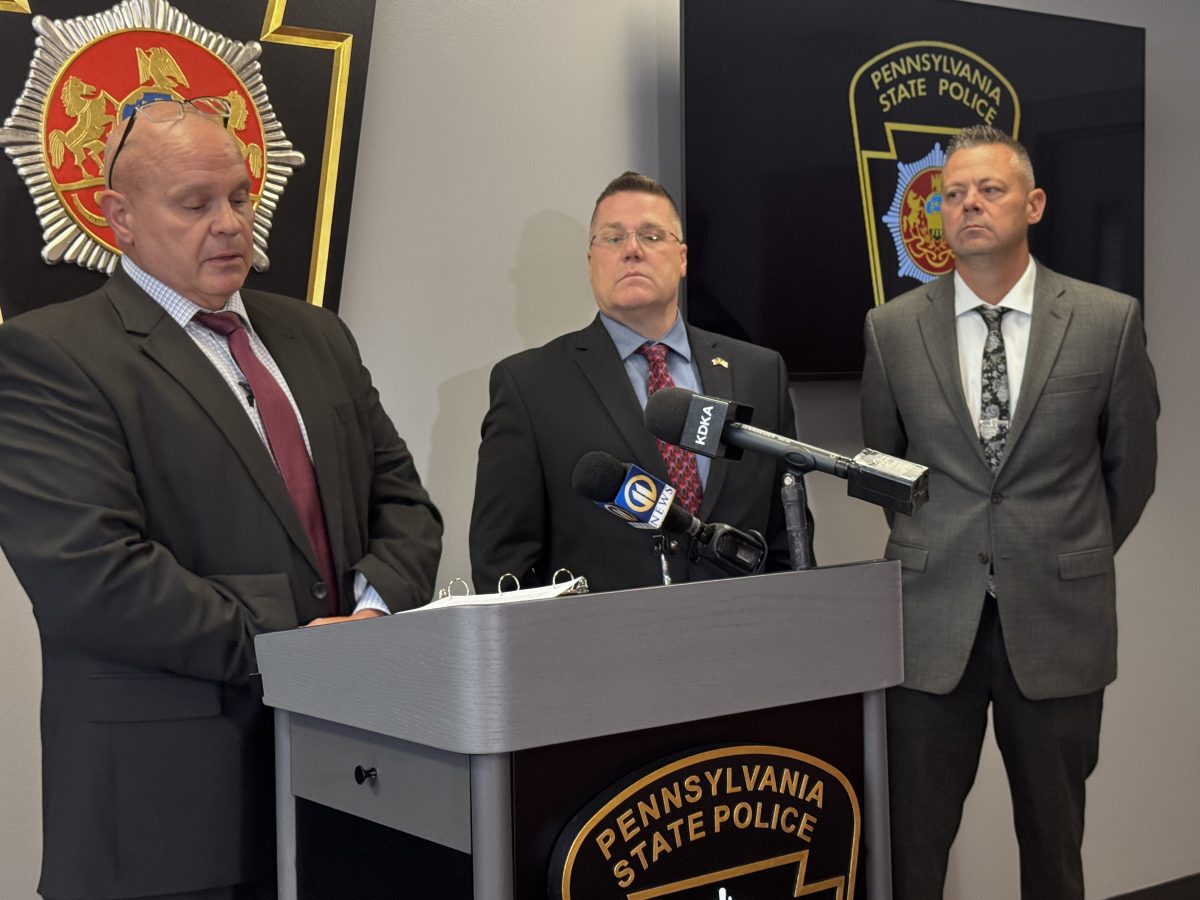
For nearly 50 years, the identity of the person who sexually assaulted and killed two young women in Washington County eluded investigators.
But evidence preserved from the crime scenes in 1976 and 1977 has provided the answer authorities and the families had been seeking: a DNA match to a man who lived in the Washington area at the time of both homicides.
At a press conference on Wednesday, Pennsylvania State Police announced that James Richard Clark Sr., a long-haul trucker who died three years ago, was responsible for the killings.
“(DNA) testing identified that the same offender murdered both Susan Rush and Brenda Ritter. This testing confirmed there was a serial killer in Washington County during this time frame,” said Cpl. James Petrosky of the state police Criminal Investigation Assessment Unit.
On Nov. 25, 1976, the 21-year-old Rush, of Washington, did not arrive for a Thanksgiving Eve church service she had planned to attend with her family after leaving her job at G.C. Murphy’s at Washington Mall at about 6:10 p.m.
Rush’s family reported her missing to the Washington police department that night when she failed to come home.
The next morning, Rush’s brother discovered her car parked along North Avenue in Washington. Her body was found inside the trunk.
An autopsy later confirmed she had been sexually assaulted and strangled.
Less than six months later, on May 18, 1977, Ritter, 18, of North Strabane Township, left her boyfriend’s home in Chartiers Township around 10:10 p.m. during a severe thunderstorm.
The following morning, Ritter’s mother, Hazel, called the home of her boyfriend to talk to Ritter and learned she had left the night before.
Ritter’s mother immediately called North Strabane Township police to report her missing. Her Ford Pinto was found abandoned along Rankin Road in South Strabane Township later that morning. As a search party was being organized that afternoon, observers in a state police helicopter spotted Ritter’s body on a hillside of Roupe Road, about three-quarters of a mile from her vehicle.
She, too, had been sexually assaulted and strangled, and her clothes were found about 50 feet from her body, said Petrosky.
For years, police pursued leads and interviewed suspects, but no suspect was identified and the cases went cold.
In 2008, investigators submitted DNA evidence from the Ritter homicide to a state police crime lab to create an offender profile, which was uploaded to the FBI’s national database, CODIS.
Petrosky said the database was searched weekly, but no match was found.
Then, in August 2021 and May 2022, state police received grant funding through the Washington County District Attorney’s office and the federal Bureau of Justice for cold-case DNA testing, and in May 2025, DNA testing showed the DNA offender profiles from Rush and Ritter were a match – the same person was responsible for their deaths.
“(Clark’s) DNA was left at both crime scenes. Through (several DNA labs) and with scientific advancements, we were able to develop a potential suspect, which was (Clark), and then we went through confirmatory DNA,” said Petrosky.
Clark died on July 17, 2023, of natural causes.
He would have been 19 years old when Rush was murdered, and 20 at the time of Ritter’s death.
Petrosky said investigators don’t know if Clark – who was never a suspect in Rush’s and Ritter’s murders – had any connection to the victims, or if he stalked them or encountered them randomly.
“We don’t know at this point, and unfortunately he died, so we don’t have the opportunity to arrest him and interview him,” said Petrosky.
Police believe there may be more victims, since Clark traveled the country as a trucker.
Clark will never face trial for the crimes, but the resolution provides long-sought answers to the families, including Ritter’s mother, now 92, after nearly five decades of uncertainty.
“It was a bit of a shock, but I think there’s some closure, that at least now we know,” said Denise Ward, Ritter’s sister and one of seven Ritter siblings. “But it doesn’t change anything; it doesn’t bring Brenda back. It’s been really hard since we found out because it brings it all up again.”
Ward said she and her family are grateful for the investigators who doggedly pursued the evidence until they found a definitive match “and have been very kind to us.”
Said Petrosky, “If you go back to day one of both of the homicides, the evidence has been stringently maintained and secured in our evidence rooms, and as technology advances we’re constantly revisiting these cases, trying to go through and see if there’s additional evidence that can be tested or retested and different disciplines of DNA testing or fingerprinting examination.”
He said cold cases “never go away” and that no case is considered hopeless.
“Our unit strives to try to progress these cases forward,” said Petrosky. “We always think there’s something there. It’s not about us. It’s about these victims and their families.”