

‘Speed King’ film honors Uniontown auto racing heritage
Film honors Uniontown\'s auto racing heritage
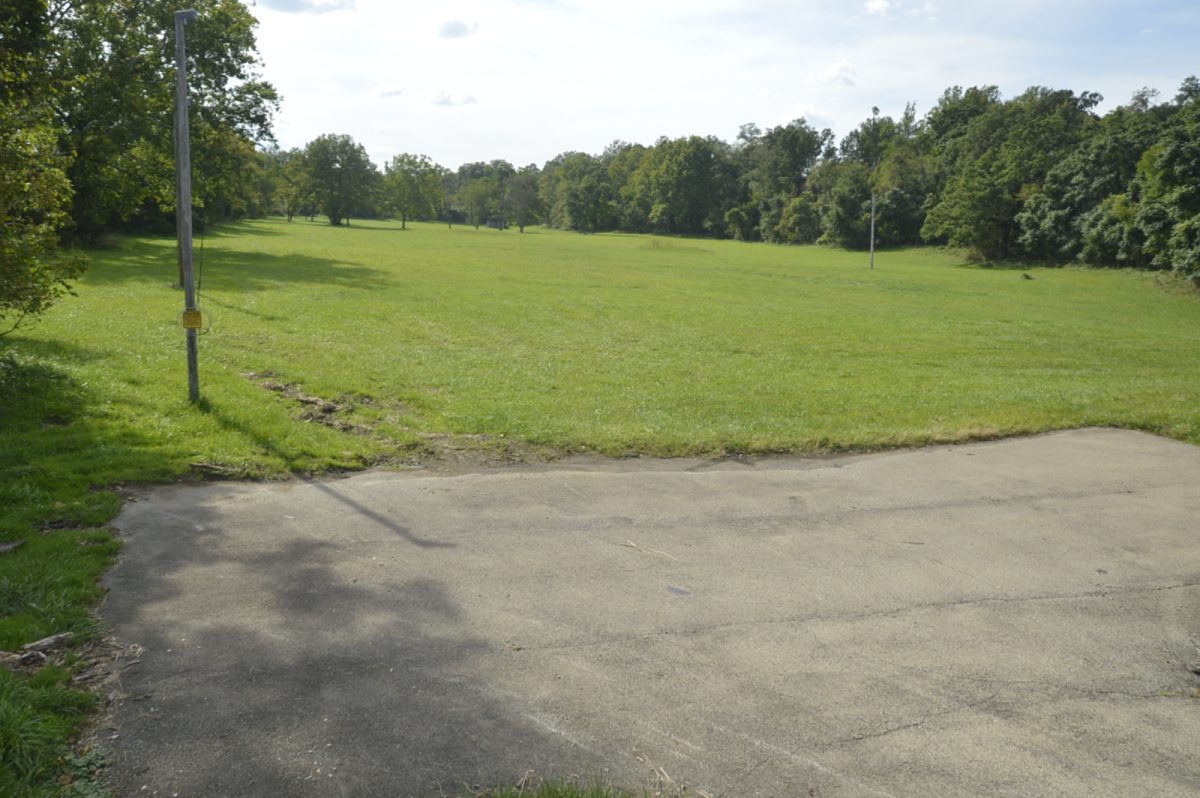
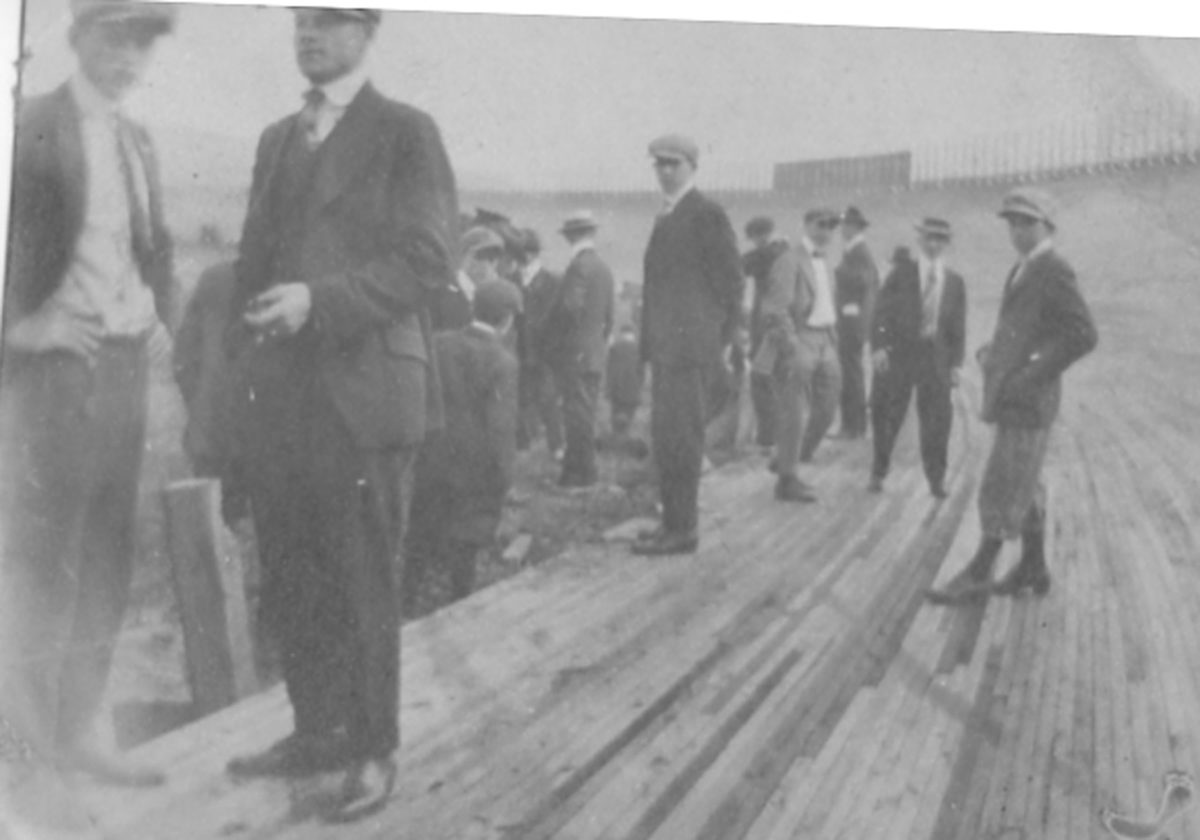
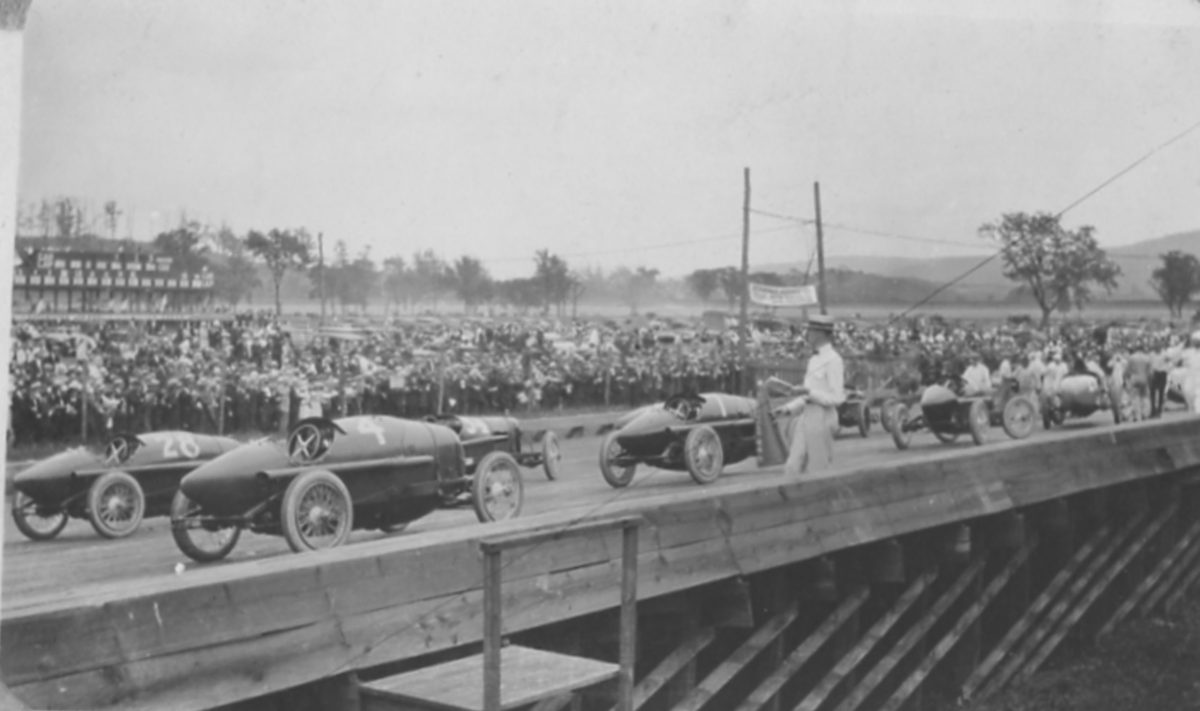
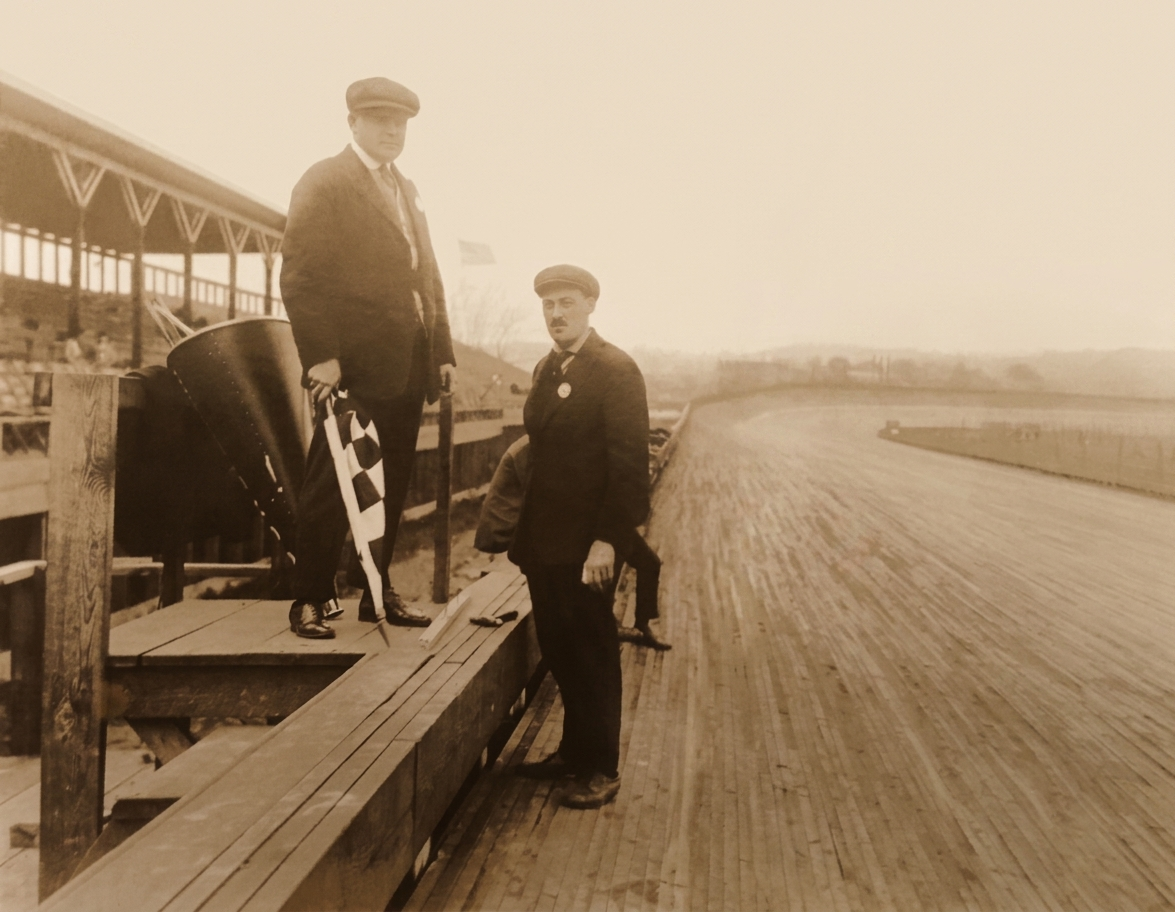
Many of the people driving through Hopwood have no idea it once was home to one of the most popular auto racing tracks in the country.
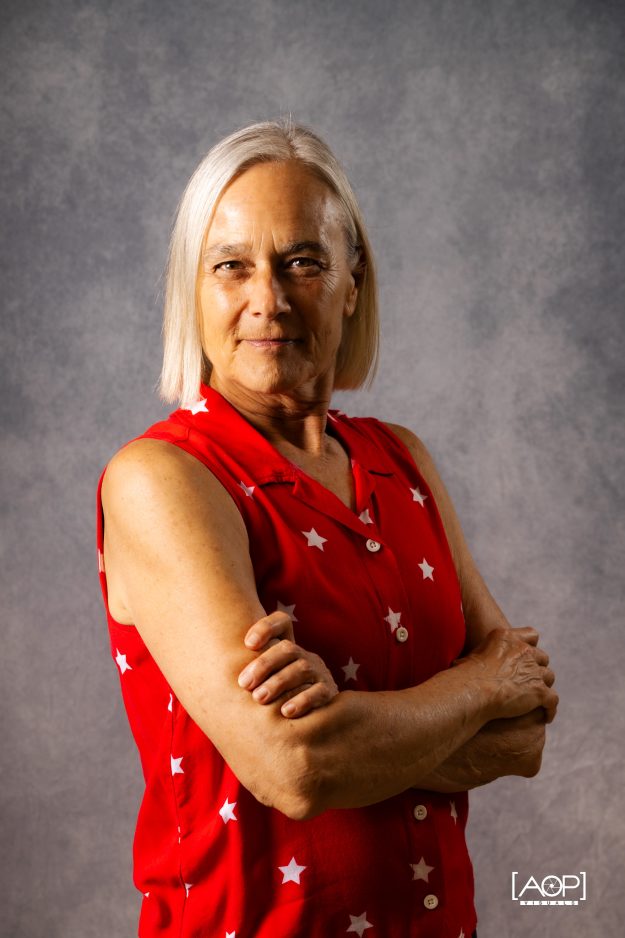
Marci McGuinness is hoping to change that.
“These guys are the reasons we have cars today,” she said. “We take it for granted so much, but these guys gave their lives. Five people died in the first wreck, and they went on.”
The Chalk Hill woman spent the past three years putting together her new documentary, “Speed King,” which covers the stories of the track and the person who created it, racer and entrepreneur Charley Johnson.
Between 1916 and 1922, the wooden track drew the top auto racers in the world, and car magnates like Henry Ford, Fred Duesenberg and Louis Chevrolet. Silent film star Vivian Prescott, whose husband drove an Indy car, brought in Universal Pictures owner Carl Laemmle.
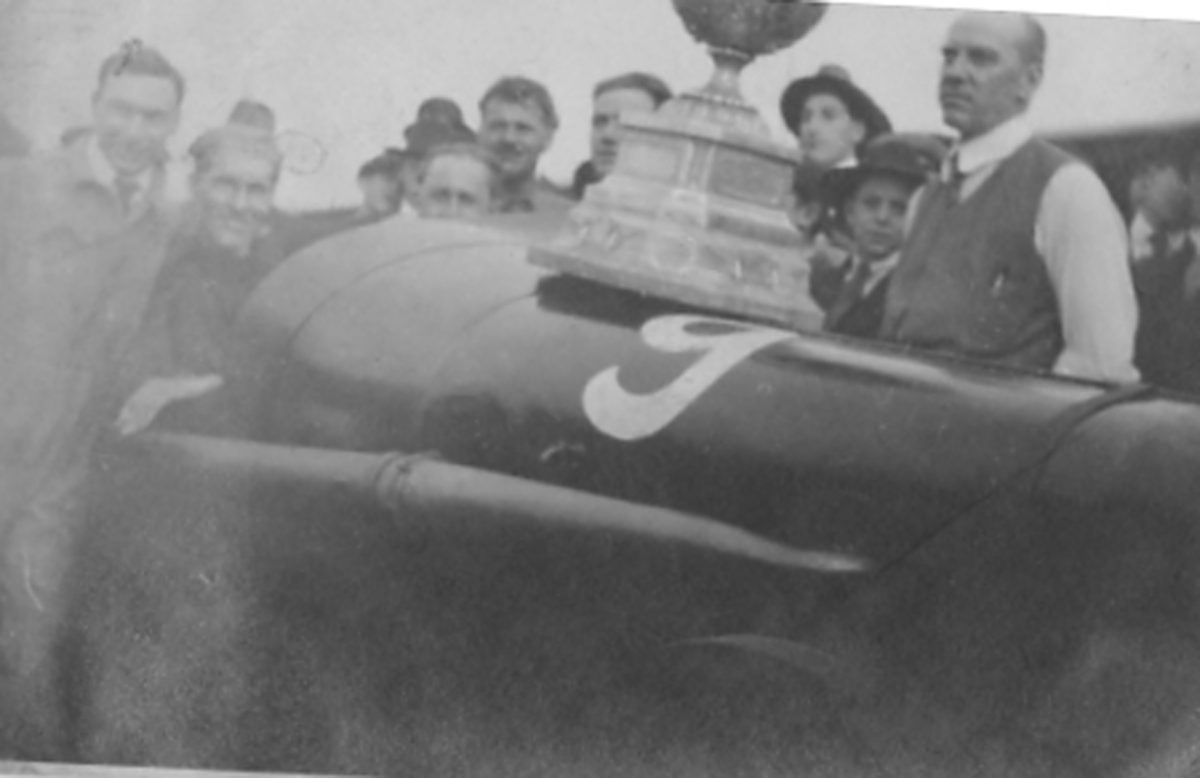
Each year, he would present a three-foot-tall solid silver trophy to the winner of the 225-mile Universal Race.
Universal shot live films during the original races, which would screen at local theaters.
McGuinness tried to track them down, only to find the nitrate stock had “either burned up or turned to dust,” she said.
But she found the advertisements of those films in local newspapers. And she also tracked down footage from similar tracks in Milwaukee and Sheepshead Bay, N.Y.
To place it in the context of what was happening in the country, McGuinness also used footage from the new assembly lines created by Ford, or footage of U.S. Navy submarines in World War I.
“This board track film was the reason I taught myself film editing,” she said. “Oh, my gosh, it’s hard on my creative head. But it’s been quite a learning experience, and I’m pretty excited to show it here locally.”
Johnson was part of a car culture that had been building in Uniontown since George Titlow drove the first car into Uniontown in 1902. On a National Road then still covered in manure, Johnson outraced Titlow — on his bicycle.
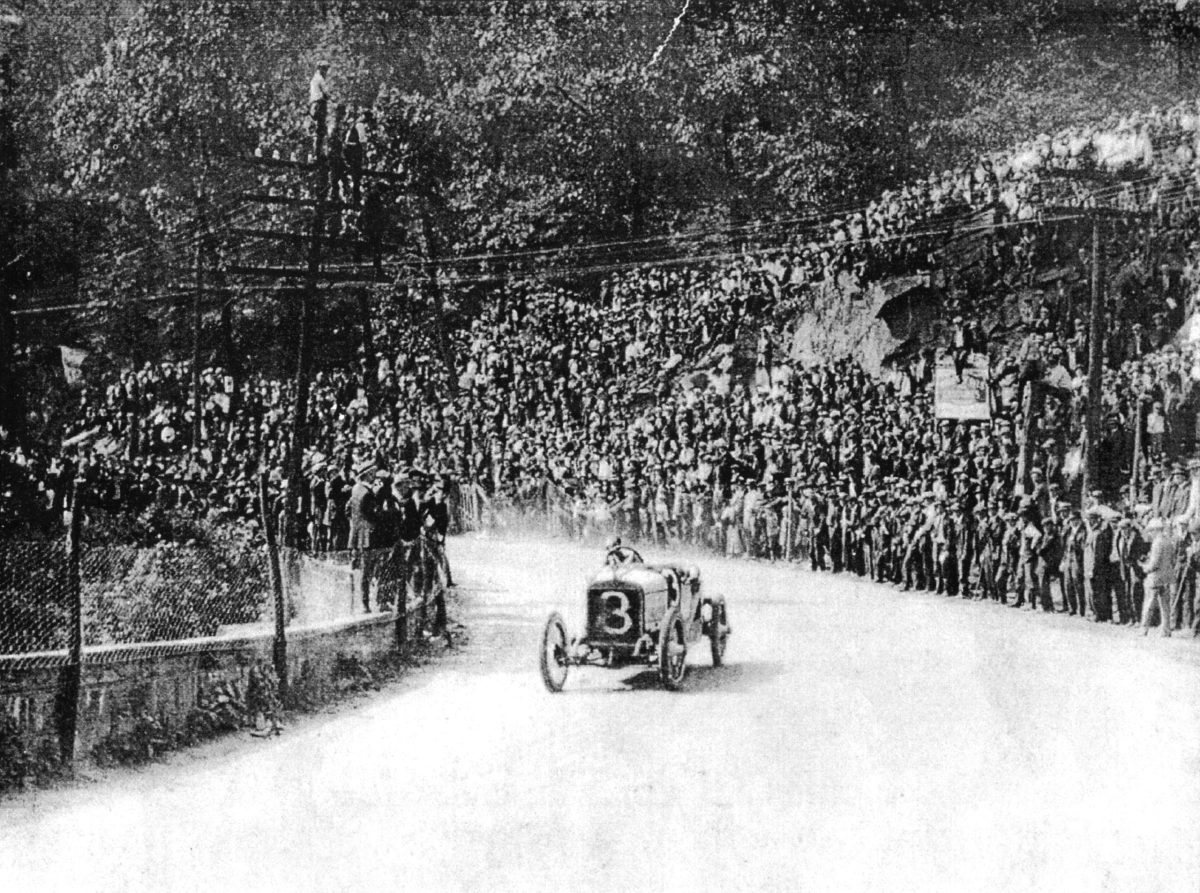
Johnson, who owned the Standard Garage, as well as dairy and brewing companies, soon got behind the wheel himself. He raced in the Summit Mountain Hill Climb, a race launched by local coal barons that drew up to 25,000 people.
In its final installment in 1915, Johnson won by 28 seconds over Ralph DePalma, who had just won the Indianapolis 500. Four days before the 1916 race, Pennsylvania outlawed hill climbs.
Undeterred, Johnson started collecting money to build a board track. He called in Jack Prince, a track designer who he’d competed against in cycling.
And with Uniontown flush in coal, coke and steel money, the donations from racing enthusiasts who stopped by Johnson’s garage topped $100,000 — the equivalent of more than $3 million today.
They needed only two months to build the track. With America off to war, 165 high school boys helped out pounding nails in 4 million feet of lumber.
The site, right behind where a veterinary clinic now sits, is still marked by a bowl in the ground.
“It went from the National Pike to the railroad tracks, and there were thousands of people filling all the hotels and everyone’s extra rooms and sleeping on porches, and came by trains and cars and bikes and horses and walked and every which way,” McGuinness said. “It was an enormous deal.”
Dubbed “the fastest track in America,” the Uniontown Speedway brought excitement, and also danger, as cars ran around the steep track, which angled upward at 34 degrees.
At six years, the Speedway was one of the longer-lived of the 24 wooden tracks built around the country.
Some would burn, or go broke. Eventually, they would fall prey to the realities of upkeep.
The surface couldn’t be treated, McGuinness said. Heavy use created splinters, which lodged in tires and filled radiators.
In the final race in 1922, Duesenberg driver Jimmy Murphy set a then-record of 109.46 miles per hour on a track of splintered wood.
Johnson, president of the track, got the public blame for the track’s demise. McGuinness found newspaper articles from the time alleging he had run off to Cuba with the proceeds from the track.
He hadn’t, McGuinness said, though the truth might be even more colorful.
With his family’s brewery shut down due to Prohibition, Johnson became one of the first rum runners, outrunning Prohibition agents in his Greyhound Packard.
With the track’s manager, Johnson formed an expanded rum-running operation that sent ships to Cuba and Switzerland.
“They couldn’t catch him, but they would be at his house in the morning. And then they took everything out, every business, his car,” McGuinness said. “His wife had a fatal heart attack over it, over the stress, and he lost everything. But they did not physically catch him.”
Johnson moved his family to Florida, then temporarily relocated to Cuba to continue his operation. McGuinness found ship manifests that documented his routes.
His parents would pass away at the end of Prohibition. Johnson returned to the area, speaking at the 1940 opening of the Bryson brothers’ new Uniontown Speedway, a smaller wooden track that sat in the middle of the old speedway site.
After some time back in Uniontown, he and his wife moved to Chattanooga, Tenn., where he would work in real estate until his death from a heart attack in 1954.
“There was no money to run away with, and that was not what he did,” she said. “He was trying to get his parents to not starve to death. He worked, put his life on the line for his family, and so he is the Speed King.”
McGuinness first learned of the area’s racing history in 1993, when Joe Boyd, a collector she’d met while she was putting together a pictorial series on the history of Ohiopyle, told her to come over.
She arrived to find Boyd in his basement, his arms loaded with old newspapers and panoramic photos of the track.
Before he let her look at them, Boyd made her promise she’d do something with the story, which was “something no one had researched,” he told her.
“He had cancer, and he was serious, and so I promised — no idea what I was promising,” she said. “Thirty-three years later, there’s four books and a documentary now, so I hope he’s happy.”
The documentary, like the four books, is dedicated to Boyd.
“Speed King” will be screening in the Henry Ford Room at 12:15 p.m. Sept. 20 at the Summit Inn Resort, preceded by a presentation by McGuinness at noon. At 1:30, she’ll show “Speed King II,” which chronicles some top local racers, now in their 80s and 90s, talking about their times racing in spots like Altoona.
The day also includes the Summit Mountain Hill Climb & Car Show. McGuinness plans to use footage of the hill climb, starring vintage cars, to the start and end of her film.
McGuinness is lining up car club and museum showings throughout the winter as she works on distribution.
Through grants and her network of car enthusiasts, she’s also raising the $45,000 buy the commercial rights she needs in order to stream the film.
“I’m going to get it out there, and I’ll raise the money,” she said. “I went this far. The Speed King did it.”