

OP-ED: Time running out for vulnerable ventilator patients

Patients who rely on a high-quality skilled nursing facility to provide ventilator care due to an injury or illness may soon face even greater challenges in getting the care they need.
Instead of getting care close to home, they may have to rely on a hospital or a specialized facility a hundred miles away, or in a different state, or even in a facility that does not have much of a track record for caring for such patients.
Why? Because slowly but surely, Pennsylvania’s inadequate Medicaid payments for ventilator care are driving the state’s already-limited number of specialty care providers out of business. They are surrendering, closing off their facilities to new patients and working to relocate the ones they still have. Recent examples include providers like Deer Meadows in Philadelphia, which had a unit that cared for 23 vent patients but phased that out in October 2019; Statesman Health and Rehab in Bucks County, which phased out its 30-bed vent care unit in November 2019; and Pleasant Acres in York, which closed its vent care unit in December 2019. Even the state’s biggest provider of ventilator services, Fox Subacute in Bucks, Cumberland, Montgomery, and Philadelphia counties, filed for bankruptcy protection back in November 2019.
The latest provider to succumb to years of state underfunding is Allied Services in Lackawanna County, which is currently calling around the state looking for skilled nursing facilities to take its remaining vent patients. This problem is not months or years away; it is already here. It is unfair for the patients and families that depend on local facilities such as Allied Services to have to uproot their loved ones when the state has the power to fix this problem.
Vent patients – people who cannot breathe without the help of a ventilator – start off in hospitals, where they are treated for their injuries or illnesses. However, after they are stabilized, the last place you want them to be is in a hospital – especially in today’s high-risk COVID-19 environment. Most of these patients are too medically fragile to return home, so their options are very limited. Family members want them in a safe, comfortable place that understands infection control and knows the unique care needs that come with patients on ventilators. But equally important, these patients deserve to be in a place where it is convenient for family to visit because many patients stay in such facilities for an extended period of time.
The problem is that Medicaid today pays an average of about 65% of the cost of vent care provided by skilled nursing facilities – leaving approximately one-third of the cost to provide care to these patients unreimbursed.
No one is interested in getting into the ventilator care business in Pennsylvania these days because they are actually losing money for every patient they serve.
So, what needs to be done to fix this problem? The answer is simple: Pennsylvania’s Medicaid program must recognize the vital role of specialized vent-care providers and ensure they have the financial support they need to care for these incredibly vulnerable patients.
We have introduced legislation in Pennsylvania’s General Assembly that would do just that and protect these patients and their families. Time is running out for the legislature to fix this problem – just like it is running out for skilled nursing facilities that are still in the business of caring for individuals on Medicaid who require ventilator care. The state budget must – must – address this problem now and provide enough money for fair Medicaid payments for facilities dedicated to providing vent care.
Skilled nursing facilities caring for patients requiring specialized respiratory services have been doing this important work for years. They were around long before COVID-19, and they have stepped up in a big way during the pandemic. They are an integral part of our health care system, and we will need them long after COVID-19 is a distant memory.
But if we do not act now to protect the patients these specialized facilities support, more of them will be gone by the time folks realize their importance. We cannot allow that to happen, and it is time the state realizes the same and ensures that its Medicaid program properly funds the care provided by these facilities.
These patients and their families have already faced far too many challenges. Finding a new place for their care should not be added to their list of daily concerns.
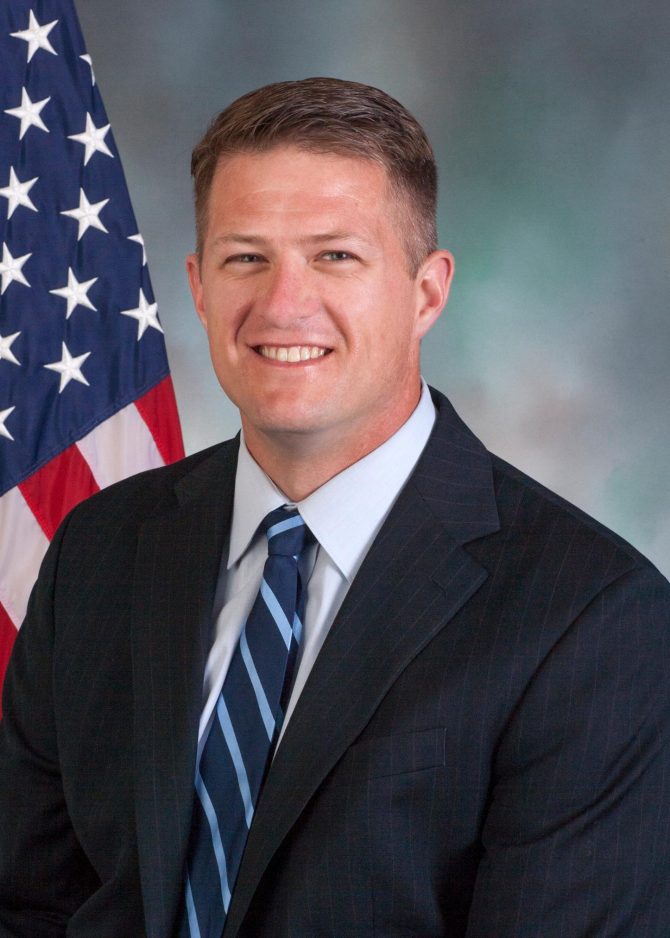
Sen. Camera Bartolotta represents the 46th Senatorial District, and Rep. Tim O’Neal represents the 48th Legislative District in Pennsylvania’s General Assembly.