

RPO offense makes it tough on defenses, linemen
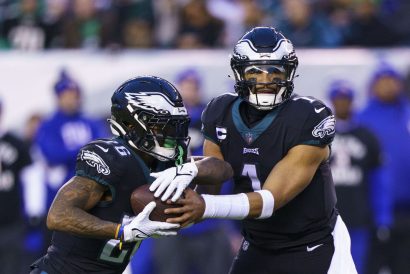
Playing offensive line is hard enough.
In the age of the RPO (Run/Pass Option) offense, the “Big Uglies” as they are sometimes called, face even greater challenges.
The RPO offense is one of the most popular offensive play-call strategies in football.
It was a strategy that was once used exclusively in college football but made its way to the NFL.
More teams have integrated it into their offensive playbook – the Philadelphia Eagles have practically mastered it – every year in new and innovative ways.
The RPO takes focus, concentration, a good quarterback who can read plays quickly, and other players who can adjust as the play unfolds. It is a play that gives the quarterback the option to either hand the ball off to a running back or make a quick pass to a receiver.
The RPO is designed to keep defenses off balance – a misdirection play that is meant to keep defenders guessing or confused on whether the play is a pass or a run.
Linebackers are left in difficult situations.
As for linemen, they must run block on an RPO. That leads them across the line of scrimmage and, if the quarterback passes the ball, illegally downfield.
Linemen being called for being illegally downfield has increased in the last few years at all levels of football.
It’s nearly impossible to coach them to not be caught sometimes being downfield.
Washington & Jefferson College coach Mike Sirianni said it’s difficult to coach linemen to avoid going downfield at times because they must run block first in an RPO attack.
“They’re going to get called at times,” Sirianni said. “We accept that we’re going to get called for a penalty at times. Sometimes you may see the linebackers vacating and they might realize it’s a pass. You can’t totally rely on it.”
W&J added a third component to its RPO game as the most recent season unfolded. Once Jacob Pugh became the Presidents’ starter at quarterback, he not only was efficient with the RPO game, but his running ability also transformed W&J into an RPO-R offensive attack.
“It’s hard,” said Presidents guard Angelo Fratini. “Coach expects us to block the run. He’s accepting of some of those penalties.
“It’s a little easier for me when I’m pulling because it’s easier to see linebackers pulling out. We do have some predetermined reads and Jacob, or a lineman will say certain words. We played against a lot of good defenses this past season and that made things more difficult. You basically must do your job as a lineman and just play the game.”
According to former NFL official and current CBS Sports rules analyst, Gene Steratore, the following are the rules for being illegally downfield in college football and the NFL:
- College – If ball is caught at or behind original line of scrimmage, interior line may block down field legally. If the pass is beyond the line of scrimmage, then lineman get three yards downfield before being flagged. They can release downfield when the ball leaves the passer’s hand.
- NFL – Lineman are permitted one yard downfield prior to the release of the ball. It does not matter if it is behind the line or not. One exception is if the offensive lineman engages a defender who is on the LOS immediately. He may drive him downfield if he stays engaged. Once disengaged, he must remain still.
Gary Dunn, head coach at California University, keeps it simple for the Vulcans’ linemen.
“Our offensive linemen have no idea what we are running because we don’t want to take their aggressiveness away,” Dunn said. “Our plays are designed to get the ball out of our quarterback’s hands as quickly as possible.
“If we get called for being downfield illegally, then that’s the nature of the offense.”
Russ Moore, offensive line coach at Waynesburg University, agrees that keeping offensive linemen aggressive and blocking for the run game is the only appropriate way to approach it.
“It has to be run-first,” Moore added. “There really is no other way to teach it. Sure, you might have some reads but it’s tough for all linemen to see. They must run block first in RPO plays.”
Paul Sroka, a Washington County resident, has officiated NCAA Division I football for 14 years and said he heard more complaints about linemen being illegally downfield this season than in any other.
That is simply a fact of life in the RPO era.
“It’s going to be called,” Sirianni said. “We feel the good outweighs the bad or a few penalties.”