

OP-ED: A journey through Bosnia
In the late 1990s, I somehow found myself on a plane bound for Bosnia, proof that Congressman John Murtha and Don Zucco, then the mayor of Johnstown, could talk me into anything. Our Johnstown delegation, led by Zucco, was headed to Brčko, a city still reeling from the war. As we descended into Sarajevo’s airport, I had the same thought anyone would have while staring at burned-out plane carcasses lining the runway: This was definitely not the way I remembered it from the Olympics.
We were told by the ambassador that a million land mines still peppered the ground, and we saw de-mining vehicles several times. Think about it, a million. Back here, we complain about potholes; in Bosnia, driving off the berm could be lethal.
The devastation was endless. Whole blocks of crumbling buildings. We saw places where fathers and sons had been forced to fight to the death, pediatric wards where children were murdered in their beds, and fresh mass graves were being unearthed a few miles from our destination. It was humanity at its absolute worst.
And then, in the midst of this, we met the Bosnian people. They were beautiful, warm, and resilient. They greeted us like old friends. We could not walk past a house without being offered bread and a glass of brandy.
In Sarajevo, we saw the “Sarajevo Roses,” those red resin-filled craters left by mortar blasts and snipers that killed civilians. They were both memorials and warnings. It was a city where even the sidewalks were sad.
Our mission, courtesy of Murtha’s vision, was to determine how Johnstown and Brčko might form a sister-city relationship. We worked closely with Mayor Zucco who preferred trying to do something rather than just talking about it.
Out of that visit came one really good outcome. The mayor, through the generosity of philanthropist Frank Pasquerilla, helped us bring Nebojsa Pisaric, a young boy from Brčko, to Windber Medical Center for kidney treatments. With help from former Johnstown councilman Brian Subich, other local Croatian-speaking friends and volunteer physicians, we got him the care he needed. A small but not insignificant victory. (Nebojsa and I are still friends on Facebook.) Later, through the Brothers to Brother program, we collected and shipped much-needed medical equipment back to the region.
Today, I read about another horrible revelation from that time. I learned about the so-called “weekend snipers,” wealthy Europeans allegedly paying to kill civilians during the siege. They were treating Sarajevo like some horrible amusement park, an inconceivable low. These claims, revealed through Ezio Gavazzeni’s research and the documentary Sarajevo Safari, suggest that wealthy, even philanthropic Europeans returned home after their little “adventures,” without punishment for killing their fellow man, for sport. If this is true, it adds a whole new layer to the definition of evil.
And still, the Bosnians endured. They rebuilt again, and then they offered us bread, coffee, or slivovitz. When three of Brčko’s mayors visited us in Johnstown, they filled our home with stories, laughter, and enough plum brandy to strip varnish.
But one moment that haunts me came on our final night in Bosnia. Sitting with locals, sipping a beer, one mayor looked at me as someone who has seen too much and said, “This is what we do. We drink. We party. And every 50 years, we kill each other.” It summed up humanity very sincerely.
Bosnia taught me so much. It taught me that human beings are capable of unimaginable cruelty and impossible beauty. The same species can produce snipers on “safari” and Sarajevo Roses. Our small contributions were tiny drops in an ocean of need, but they mattered.
In the end, Bosnia has rebuilt and has at least 2.2 million tourists a year now. These were people who had every reason to give up but still chose hope. If they can keep rebuilding, remembering, and resisting, the least we can do is document their stories and pray for the world to stop repeating their nightmares.
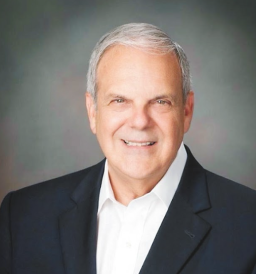
Nick Jacobs lives in Windber.