

Will GLP-1 pills change diabetes treatment?

With the U.S. Food and Drug Administration (FDA) recently approving GLP-1 drug Wegovy in pill form for use in weight loss and fighting obesity, the question arises whether other GLP-1 drugs will also soon become available in a pill rather than a needle.
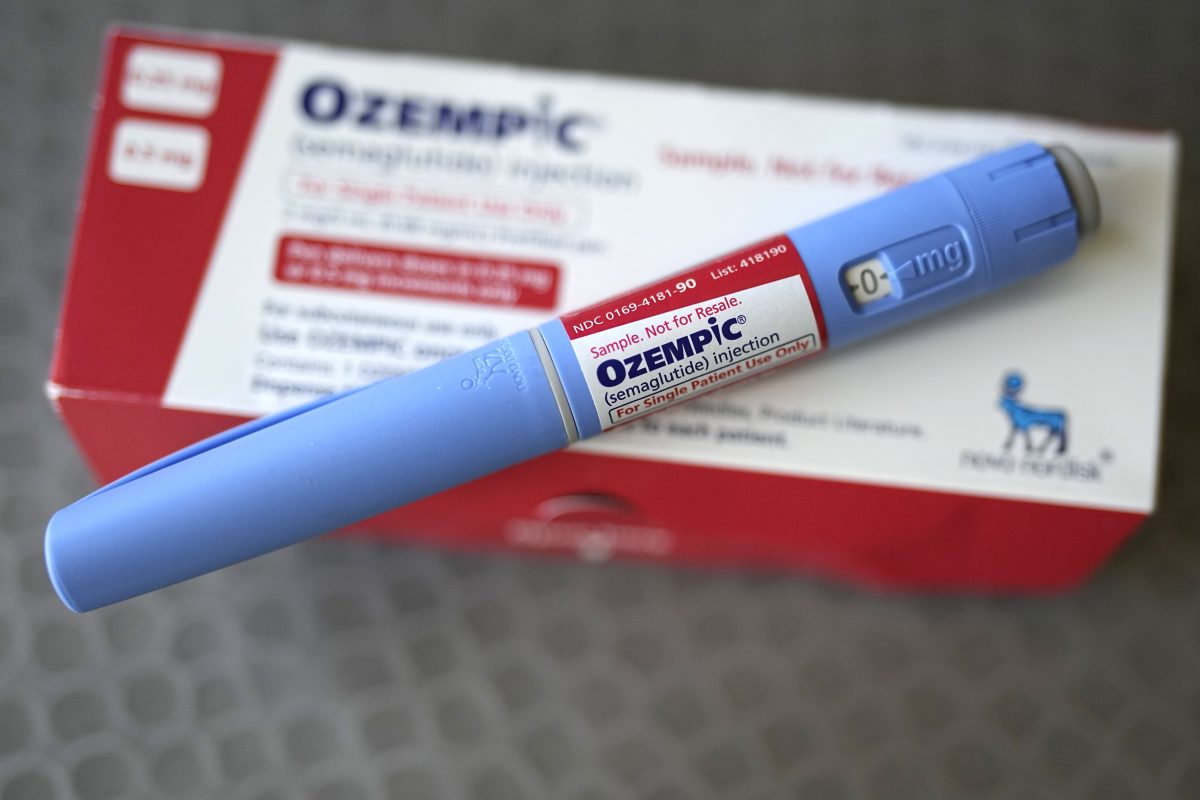
This class of medication was originally approved for treatment of diabetes and helping to lower blood sugar levels. Many versions of these including Ozempic are still delivered to type 2 diabetics through weekly injections. Will they soon be able to look forward to no more needles by taking a daily GLP-1 pill instead?
“There’s been a constant trend ever since GLP-1s came on the market; they’ve been looking for ways to make it more appealing to treat in terms of type two diabetes as well as obesity,” says Dr. Jason Ng, an endocrinologist with UPMC Center for Diabetes and Endocrinology who specializes in diabetes. “So it’s already something that’s been highly thought of, how do we change the injectable once a week form into one daily pill form?”
Truth is, some GLP-1s are already available in pill form for diabetes and that list may be expanding soon. The brand name Rybelsus (oral semaglutide) is the first FDA-approved daily oral GLP-1 for type 2 diabetes used to lower blood sugar.
Looking ahead, new, highly effective, non-peptide oral GLP-1 pills like Eli Lilly’s orforglipron are in advanced development and under consideration for approval by the FDA. Orforglipron currently is an experimental once-daily pill that has shown significant results for both weight loss and blood sugar control. While patients have experienced the same gastrointestinal side effects as injectable GLP-1s, the daily pills provide an alternative to needles and having to store medication in the refrigerator. “I can only see an uptick in the pipeline where other manufacturers also try to make oral formulations,” says Ng. “I’m sure that it’s something they’ve all been working on already. So it’s going to be something that’s more available. I think the decision point for clinicians, whether we’re offering injectable versus pill form, is going to be primarily due to patient preferences.”
Some patients may have a fear of needles while others might forget to take a daily pill.
“I don’t think it would change anything from my point of view as a clinician,” he says. “It’s more about how we get the patient the medication that they need. But from the patient perspective, it’s a big change because more people have access to this that did not want to use needles or did not want to do an injectable for various reasons.”
Manufacturing the drugs in pill form is more cost-effective than the injectable version, and Ng points out that eliminating the needle pen delivery system would help to reduce medical waste, too.
The delivery system is the main sticking point when it comes to formulating a drug. How fast will it enter the system? Will digestion reduce its effectiveness?
“When you take things orally, they have to be processed through your body to deliver,” explains Ng. “So part of the reason why you inject insulin, for example, is because you need the action a little bit more immediately. That’s the reason why oral insulins aren’t any type of feasible thing. This is not something that we see yet, because the the action of the injected drug is more immediate.”
Weekly injected GLP-1s were also formulated to have a delayed, slow release so that the medication is only needed once a week.
“When you bypass the digestion, that first pass effect, you can get a stronger effect medicinally. So the therapeutic effect can be a little bit stronger and you get a little bit better outcome.”
Whether the future brings more daily pill options for Type 2 diabetics as opposed to weekly injections, many doctors find the GLP-1 drugs very effective tools in controlling a patient’s diabetes and lowering blood sugar.
“The A1C reduction is pretty significant for most patients and then the weight loss aspect is also very significant,” says Ng. “It allows us to even have added benefits. So the more weight they lose, the better their A1C is, and they kind of feed off each other – a positive cycle.”